

Vaccines
Also known as: Immunizations, Inoculations, Vaccines
Overview
Vaccines are biological preparations designed to help the immune system recognize and respond to specific infectious agents before natural exposure causes serious illness. They typically contain weakened, inactivated, or partial components of a virus or bacterium, or genetic instructions that prompt the body to produce a harmless antigen. This process trains immune defenses to develop immune memory, which can reduce the risk of infection, lessen disease severity, and lower rates of hospitalization, disability, and death.
Vaccination is considered one of the most consequential public health measures in modern history. Large population-based studies and global health surveillance have linked vaccination programs to major declines in diseases such as smallpox, polio, measles, diphtheria, tetanus, pertussis, and invasive pneumococcal disease. At the population level, vaccines also contribute to community protection by reducing circulation of infectious organisms, which may help protect people who are too young, immunocompromised, or otherwise unable to mount a full immune response.
Vaccines span several major platforms, including live-attenuated vaccines, inactivated vaccines, toxoid vaccines, protein/subunit vaccines, conjugate vaccines, viral vector vaccines, and mRNA vaccines. Each platform has distinct manufacturing methods, immune characteristics, storage requirements, and safety considerations. Research also continues into therapeutic vaccines, universal influenza vaccines, cancer vaccines, and next-generation mucosal vaccines intended to improve durability or reduce transmission.
Like all medical interventions, vaccines are evaluated for both benefits and risks. Most vaccine-related reactions are mild and temporary, such as local soreness, fatigue, or low-grade fever. Rare adverse events can occur and are monitored through pharmacovigilance systems and post-marketing safety studies. Because vaccine decisions may vary by age, pregnancy status, immune function, travel exposure, and underlying medical conditions, discussions with qualified healthcare professionals remain important for individualized risk assessment and interpretation of current immunization guidance.
Medical Perspectives
Two Ways of Seeing Health

Western
scientific · clinical
Western medicine applies science, technology, and clinical experience to treat symptoms through testing, diagnosis, and targeted intervention.

Eastern
traditional · alternative
Eastern medicine focuses on treating the body naturally by applying traditional knowledge practiced for thousands of years, emphasizing balance and whole-person wellness.
Gold Bamboo presents both perspectives side-by-side so you can make informed decisions. We don't advocate for one over the other — your health choices are yours.
Western Medicine Perspective
Western Medicine Perspective
In conventional medicine, vaccines are understood through the frameworks of immunology, infectious disease prevention, epidemiology, and public health. The core principle is that controlled exposure to an antigen can stimulate the adaptive immune system to generate antibodies, B-cell memory, and T-cell responses without causing the full consequences of the target infection. Regulatory approval generally depends on evidence from preclinical studies, phased clinical trials, manufacturing quality review, and ongoing surveillance after rollout.
Western medicine evaluates vaccines by several outcomes: prevention of laboratory-confirmed infection, reduction in severe disease, prevention of complications, and population-level impact. Effectiveness can vary by pathogen, vaccine platform, host age, and whether the infectious agent mutates rapidly, as with influenza or SARS-CoV-2. Booster schedules may be used when immunity wanes or when circulating strains change. Conventional medicine also recognizes that vaccine safety is not assessed as a one-time event; it is continuously reviewed through systems such as VAERS, the Vaccine Safety Datalink, the CDC, FDA, WHO, and comparable international monitoring programs.
From a clinical perspective, vaccines are generally categorized as preventive biologics, not treatments for active infection. Contraindications and precautions are important parts of standard care, particularly for people with severe allergies to vaccine components, certain immune disorders, or specific pregnancy-related considerations depending on vaccine type. Western practice emphasizes informed consent, transparent communication about common side effects and rare risks, and balancing individual concerns with the broader goal of reducing preventable infectious disease.
Eastern & Traditional Perspective
Eastern and Traditional Medicine Perspective
Traditional medical systems such as Traditional Chinese Medicine (TCM), Ayurveda, and naturopathic medicine historically developed before modern immunology, so classical texts do not describe vaccines in the same scientific terms used today. Instead, these systems often frame resistance to illness in broader concepts such as vital energy, constitutional resilience, digestive strength, environmental balance, and the body’s capacity to adapt to external pathogens. In that context, maintaining overall health has traditionally been viewed as an important foundation for resisting infectious disease.
In contemporary integrative settings, many Eastern and traditional practitioners regard vaccines as a product of modern biomedicine while focusing their own role on supportive care, recovery, and constitutional balance rather than replacing immunization science. For example, TCM may discuss immune resilience through concepts such as wei qi and the balance between the body’s defensive capacity and external pathogenic influences. Ayurveda may interpret susceptibility through ideas related to ojas, agni, and doshic balance. Naturopathic frameworks may emphasize host resilience, nutrition, sleep, and stress regulation as factors that influence overall immune function.
Evidence for traditional systems as alternatives to vaccination for prevention of specific infectious diseases is limited, and current research does not place these approaches on the same evidentiary footing as licensed vaccines for disease-specific protection. However, integrative medicine literature does explore how lifestyle, recovery support, and patient-centered counseling may coexist alongside conventional immunization practices. As with any integrative topic, safety, timing, and relevance are best evaluated with qualified healthcare professionals familiar with both the medical history and the evidence base.
Supplements & Products
Recommended Products
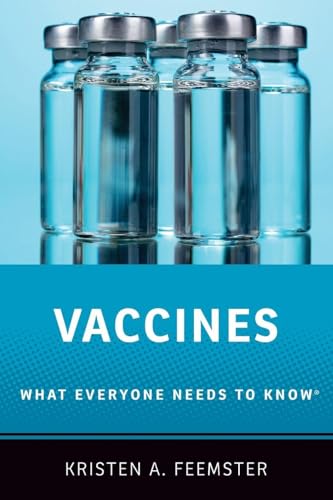
Vaccines: What Everyone Needs to Know®: Feemster, Kristen A.
"<strong>An invaluable resource for anyone giving vaccines, getting vaccines, paying for vaccines or arguing about vaccine safety and benefit</strong>. Feemster has selected the right subjects to

O&DS 5 Pack CDC Vaccine Card Holder Waterproof 4x3 with Zip Lock and lanyards - 4x3 Vaccination Card Protector Waterproof Badge Holder Perfect Fit Durable Water Proof
Amazon.com : <strong>O&DS 5 Pack CDC Vaccine Card Holder Waterproof 4x3 with Zip Lock and lanyards</strong> - 4x3 Vaccination Card Protector Waterproof Badge Holder Perfect Fit Durable Water Proof
Vaccine Log Book: Vaccination Record Book: Vaccine Health Record Keeper for Immunization (Flu Virus, Travel) Logbook for Vaccinations: Accessories, Applepie and Pickles
Begin keeping a vaccination record log book today. This will enable you to keep track of your vaccinations and more! ... GRAB THIS LOG BOOK NOW! ... The Amazon Book Review Book recommendations, author
Evidence & Sources
Supported by multiple clinical trials and systematic reviews
- World Health Organization (WHO)
- Centers for Disease Control and Prevention (CDC)
- U.S. Food and Drug Administration (FDA)
- National Institute of Allergy and Infectious Diseases (NIAID)
- The New England Journal of Medicine
- The Lancet
- JAMA
- Nature Reviews Immunology
This content is for informational purposes only and does not constitute medical advice. Always consult a qualified healthcare provider before starting, stopping, or changing any supplement or medication regimen.