

Tramadol
Also known as: Ultram, Pain medication, Tramadol
Overview
Tramadol is a prescription opioid analgesic used for the management of moderate to moderately severe pain. It is distinct from some other opioids because its effects involve two pharmacologic pathways: it binds to mu-opioid receptors and also inhibits the reuptake of serotonin and norepinephrine, neurotransmitters involved in pain modulation. This mixed mechanism helps explain both its analgesic effects and some of its unique safety considerations.
Tramadol has been widely used in acute and chronic pain settings, including musculoskeletal pain, postoperative pain, and certain neuropathic pain syndromes. Although it was once sometimes viewed as a comparatively lower-risk opioid, current medical understanding recognizes that tramadol still carries meaningful risks, including dependence, misuse, withdrawal, respiratory depression, seizures, and serotonin-related adverse effects. Its safety profile can be especially complex because individual response varies based on liver metabolism, particularly activity of the CYP2D6 enzyme, which converts tramadol into a more potent active metabolite.
From a public health standpoint, tramadol sits at the intersection of pain management and opioid stewardship. Research and regulatory reviews have highlighted concerns about opioid use disorder, accidental overdose, and dangerous interactions with other medications such as antidepressants, sedatives, and alcohol. At the same time, it remains an established medication in many clinical settings when used under medical supervision and when risks are weighed against potential benefit.
On a broader integrative health page, tramadol is best understood not only as a pain medication but also as a topic that raises questions about how pain is treated across medical systems. Conventional medicine focuses on mechanism, dosing, contraindications, and monitoring, while traditional systems often place greater emphasis on identifying the underlying pattern of imbalance contributing to pain. Because pain is multifactorial, discussions of tramadol are often relevant to larger conversations about function, quality of life, sleep, emotional health, and multimodal care.
Medical Perspectives
Two Ways of Seeing Health

Western
scientific · clinical
Western medicine applies science, technology, and clinical experience to treat symptoms through testing, diagnosis, and targeted intervention.

Eastern
traditional · alternative
Eastern medicine focuses on treating the body naturally by applying traditional knowledge practiced for thousands of years, emphasizing balance and whole-person wellness.
Gold Bamboo presents both perspectives side-by-side so you can make informed decisions. We don't advocate for one over the other — your health choices are yours.
Western Medicine Perspective
Western Medicine Perspective
In conventional medicine, tramadol is classified as an opioid analgesic with additional monoaminergic activity. It is used in selected cases of acute or chronic pain, but modern guidelines generally place increasing emphasis on careful patient selection, limited duration when possible, and close monitoring for harm. The medication’s opioid effects can reduce pain perception, while its serotonin and norepinephrine reuptake inhibition may contribute to pain modulation, particularly in some chronic pain states. However, these same properties contribute to important adverse-effect concerns.
Clinicians evaluate tramadol within the same broader safety framework used for other opioids, even though its pharmacology is somewhat atypical. Known risks include nausea, dizziness, constipation, sedation, impaired coordination, dependence, tolerance, and withdrawal. More serious concerns include respiratory depression, particularly when combined with benzodiazepines, alcohol, or other central nervous system depressants; seizures, especially at higher doses or in predisposed individuals; and serotonin syndrome when combined with serotonergic medications such as SSRIs, SNRIs, MAO inhibitors, or certain migraine therapies. Regulatory agencies have also emphasized heightened risks in some children and in breastfeeding contexts because of variable metabolism.
A major element of western medical understanding is pharmacogenetics. Tramadol is metabolized in part through CYP2D6, and people who are ultra-rapid metabolizers may produce higher levels of the active metabolite, increasing toxicity risk, while poor metabolizers may experience reduced analgesic benefit. This variability has influenced prescribing cautions and has helped shift the perception of tramadol from a “milder opioid” to a medication requiring individualized risk assessment. In evidence-based pain care, tramadol is typically considered alongside non-opioid medications, physical rehabilitation, behavioral approaches, and condition-specific treatments rather than as a stand-alone solution.
Current conventional guidance generally frames tramadol as a medication with legitimate but limited use, particularly when pain severity, patient history, comorbidities, and medication interactions have been carefully reviewed by a licensed clinician. Consultation with a healthcare professional is important before starting, stopping, or combining tramadol with other medicines because withdrawal, adverse effects, and interactions can be clinically significant.
Eastern & Traditional Perspective
Eastern/Traditional Medicine Perspective
In Traditional Chinese Medicine (TCM), pain is often interpreted through patterns such as qi stagnation, blood stasis, cold obstruction, damp accumulation, or deficiency of qi, blood, kidney, or liver systems, depending on the presentation. Tramadol itself is not part of classical TCM materia medica, so traditional East Asian medicine does not analyze it as an herb or standard remedy. Instead, from a TCM-informed perspective, a person taking tramadol for pain might still be assessed according to the root pattern contributing to the painful condition, with attention to location, nature of pain, triggers, sleep, digestion, emotional stress, and constitutional factors.
Traditional approaches may frame pain management more holistically, often aiming to support circulation, reduce stagnation, calm the nervous system, and restore functional balance. Modalities historically used for pain in TCM include acupuncture, moxibustion, bodywork, movement practices, and herbal formulas, while Ayurveda may interpret chronic pain through imbalances involving vata, inflammation-related states, tissue depletion, or impaired digestion and toxin accumulation. Naturopathic and integrative traditions often emphasize the broader terrain of pain, including sleep quality, stress physiology, inflammation, and lifestyle context. These frameworks do not replace pharmacology-based safety concerns around tramadol, but they offer a different lens on why pain persists and how it may be supported through multimodal care.
From an integrative standpoint, eastern and traditional systems generally do not view a medication like tramadol as correcting the underlying imbalance in the classical sense; rather, it may be seen as temporarily reducing symptom burden while the deeper pattern remains to be understood. Research into acupuncture and related traditional modalities for certain pain conditions has expanded in recent decades, though evidence quality varies by condition and study design. Any use of traditional therapies alongside tramadol warrants professional oversight because herb-drug interactions, sedation overlap, and changes in pain perception can complicate care.
This balanced perspective is especially important because people with chronic pain often seek both symptom relief and root-cause understanding. A qualified healthcare provider and, where appropriate, a credentialed traditional medicine practitioner can help interpret how conventional pain treatment and traditional frameworks may intersect safely.
Supplements & Products
Recommended Products
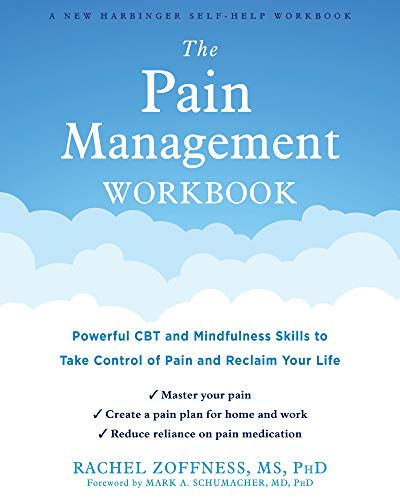
The Pain Management Workbook: Powerful CBT and Mindfulness Skills to Take Control of Pain and Reclaim Your Life: Zoffness MS PhD, Rachel, Schumacher MD PhD, Mark A.
The Pain Management Workbook: Powerful CBT and Mindfulness Skills to Take Control of Pain and Reclaim Your Life [Zoffness MS PhD, Rachel, Schumacher MD PhD, Mark A.] on Amazon.com. *FREE* shipping on
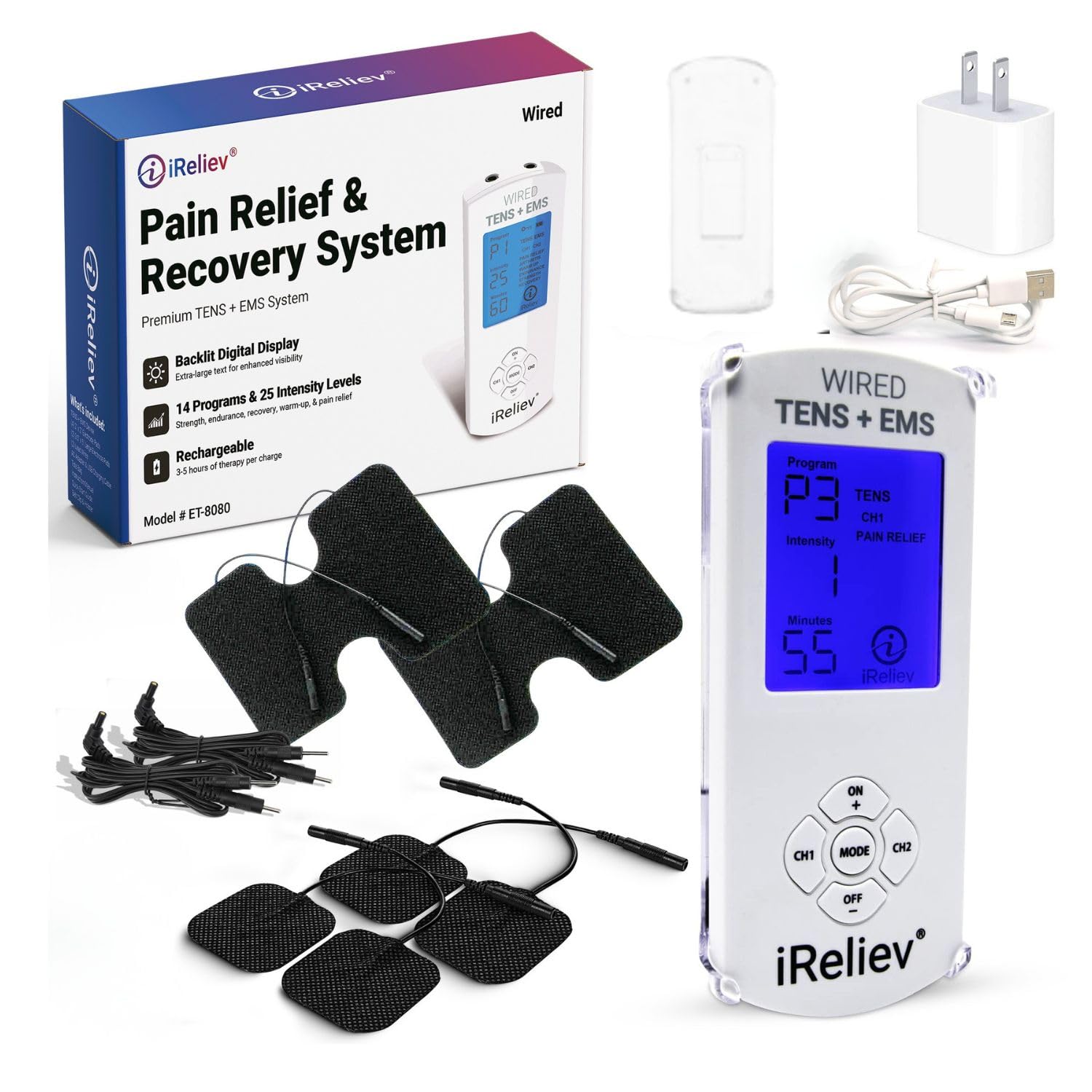
iReliev TENS Unit + EMS Muscle Stimulator with 14 Therapy Modes, Premium Pain Relief and Recovery System, Rechargeable, Large Back Lit Display, Large and Small Electrode Pads
Buy iReliev TENS Unit + EMS Muscle Stimulator with 14 Therapy Modes, Premium Pain Relief and Recovery System, Rechargeable, Large Back Lit Display, Large and Small Electrode Pads on Amazon.com ✓ FREE

Voltaren Arthritis Pain Relief Gel, Diclofenac Sodium, 1% (NSAID), Clinically Proven Powerful Pain Reliever with Easy Open Flip Top Cap, No Prescription Needed, 5.3oz
Buy Voltaren Arthritis Pain Relief Gel, Diclofenac Sodium, 1% (NSAID), Clinically Proven Powerful Pain Reliever with Easy Open Flip Top Cap, No Prescription Needed, 5.3oz on Amazon.com ✓ FREE SHIPPING
Evidence & Sources
Supported by multiple clinical trials and systematic reviews
- U.S. Food and Drug Administration (FDA)
- Centers for Disease Control and Prevention (CDC) Clinical Practice Guideline for Prescribing Opioids for Pain
- National Institute on Drug Abuse (NIDA)
- StatPearls
- The Lancet
- JAMA
- British Journal of Clinical Pharmacology
- World Health Organization (WHO)
- National Center for Complementary and Integrative Health (NCCIH)
- Cochrane Reviews
This content is for informational purposes only and does not constitute medical advice. Always consult a qualified healthcare provider before starting, stopping, or changing any supplement or medication regimen.