

Tizanidine
Also known as: Zanaflex, tizanadine
Overview
Tizanidine is a prescription skeletal muscle relaxant most commonly used to reduce spasticity and muscle tightness. It is frequently discussed in the context of neurological conditions that increase muscle tone—such as multiple sclerosis, spinal cord injury, stroke, or other disorders affecting the central nervous system—as well as in broader conversations about muscle discomfort, mobility limitations, and quality of life. Its main clinical role is to help lessen excessive muscle contraction so that movement, positioning, and daily activities may become easier for some patients.
Pharmacologically, tizanidine is an alpha-2 adrenergic agonist that works centrally, meaning its primary effects occur in the brain and spinal cord rather than directly within muscle tissue. By reducing excitatory signaling to motor neurons, it can decrease muscle tone and spasms. Research and prescribing information indicate that its effects can be helpful but are often balanced against notable adverse effects, especially sleepiness, dizziness, dry mouth, weakness, and low blood pressure. Because of this profile, people commonly look for information not only about the medication itself, but also about supportive non-drug strategies that may help reduce tension or improve function.
Tizanidine has a relatively short duration of action, which can make it useful in situations where temporary reduction of spasticity is desired, but it may also require careful timing in clinical practice. It is metabolized primarily through the liver enzyme CYP1A2, making it important in conventional medicine to consider potential drug interactions. Certain medications can raise tizanidine levels substantially, increasing the risk of excessive sedation or hypotension. In addition, abrupt changes in use may be clinically relevant in some settings, particularly when the medication has been used regularly.
From a broader health perspective, interest in tizanidine often overlaps with interest in integrative approaches to muscle tension and mobility, including rehabilitation, stretching, physical therapy, mind-body practices, and traditional systems of medicine. These approaches do not replace the pharmacology of tizanidine, but they are often part of the larger discussion about function, comfort, and side-effect burden. Because muscle tightness can arise from very different causes—from neurological spasticity to musculoskeletal strain—the underlying condition remains central to how both conventional and traditional systems interpret its role.
Medical Perspectives
Two Ways of Seeing Health

Western
scientific · clinical
Western medicine applies science, technology, and clinical experience to treat symptoms through testing, diagnosis, and targeted intervention.

Eastern
traditional · alternative
Eastern medicine focuses on treating the body naturally by applying traditional knowledge practiced for thousands of years, emphasizing balance and whole-person wellness.
Gold Bamboo presents both perspectives side-by-side so you can make informed decisions. We don't advocate for one over the other — your health choices are yours.
Western Medicine Perspective
Western Medicine Perspective
In conventional medicine, tizanidine is understood as a centrally acting antispasmodic/antispasticity medication. It is used primarily for spasticity, a condition involving increased muscle tone due to disruption of upper motor neuron pathways. Studies and clinical guidelines have evaluated tizanidine in conditions such as multiple sclerosis and spinal cord injury, where reducing tone may improve passive movement, positioning, caregiving, or selected functional tasks. It may also be discussed off-label in some contexts of muscle spasm, though the strongest rationale is generally in neurologically mediated increased tone rather than routine muscle soreness.
Conventional prescribing places strong emphasis on safety and monitoring. Common adverse effects include sedation, fatigue, dizziness, dry mouth, and weakness, while more clinically significant concerns include hypotension, bradycardia, and liver enzyme elevations. Because it is metabolized by CYP1A2, interactions with agents such as ciprofloxacin or fluvoxamine are well recognized and may markedly increase exposure. Product labeling and pharmacology references also note caution in people with hepatic impairment, renal impairment, or situations where alertness and blood pressure stability are especially important.
Western management of spasticity rarely relies on medication alone. Standard care commonly includes physical medicine and rehabilitation, stretching programs, occupational therapy, splinting, exercise-based interventions, and treatment of contributing triggers such as pain, infection, constipation, or poor positioning. For more severe cases, clinicians may also consider other medications, botulinum toxin, or intrathecal therapies depending on the diagnosis and functional goals. In this framework, tizanidine is one tool among many, with its value judged by whether tone reduction improves comfort or function without causing unacceptable fatigue or hemodynamic side effects.
For people interested in combining conventional treatment with lifestyle or complementary approaches, western medicine generally emphasizes the importance of care coordination, because sedation, dizziness, and low blood pressure may overlap with effects attributed to herbs, sleep aids, or other calming modalities. Consultation with a licensed healthcare professional is important when questions involve medication interactions, dose timing, liver safety, or worsening weakness.
Eastern & Traditional Perspective
Eastern/Traditional Medicine Perspective
Traditional East Asian medicine does not classify tizanidine as a traditional remedy, but the symptoms it is used for—muscle tightness, spasm, rigidity, pain, and limited mobility—are interpreted through long-established diagnostic frameworks. In Traditional Chinese Medicine (TCM), presentations involving stiffness or spasm may be discussed in terms of Liver wind, obstruction of qi and blood, channel blockage, or insufficiency of blood and yin failing to nourish the sinews. The goal in TCM is not to mimic the drug’s receptor-level action, but to understand the larger pattern behind the tension, such as deficiency, stagnation, cold, heat, or internal wind.
Traditional approaches may include acupuncture, bodywork, movement practices such as tai chi or qigong, and individualized herbal formulas traditionally used to relax the sinews, improve circulation, and support functional mobility. Research suggests some of these modalities may help certain patients with pain, stiffness, or neurologic recovery support, though evidence quality varies and is often condition-specific. Importantly, traditional practitioners generally individualize care based on the whole pattern rather than treating “muscle tightness” as a single entity.
In Ayurveda, muscle rigidity, tremor, pain, and restricted movement are often viewed through the lens of vata imbalance, sometimes with contributions from tissue depletion, impaired circulation, or accumulation affecting the channels. Traditional management may involve abhyanga (oil massage), heat-based therapies, gentle mobility practices, breathwork, and botanical formulations selected according to constitution and pattern. As in TCM, the aim is usually systemic balance and restoration of movement quality rather than direct pharmacologic suppression of muscle tone.
From an integrative perspective, eastern and traditional systems may be most relevant as supportive frameworks for people exploring comfort, relaxation, stress regulation, and mobility alongside standard medical care. However, because tizanidine can cause sedation and low blood pressure, any combined use of calming herbs, supplements, or intensive body-based therapies warrants discussion with qualified practitioners and the prescribing clinician. This is especially important when the underlying problem is neurological spasticity, where preserving useful muscle tone can be as clinically relevant as reducing excess tightness.
Supplements & Products
Recommended Products
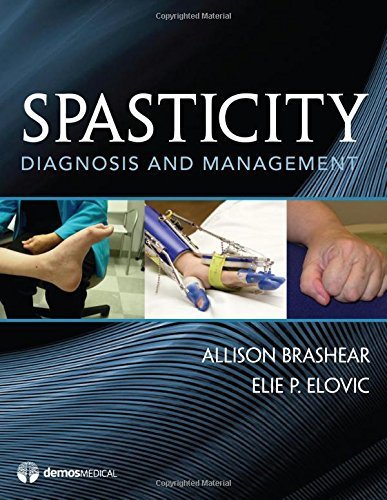
Spasticity: Diagnosis and Management eBook : Brashear MD, Allison, Elie MD Elovic, Brashear MD, Allison, Elovic, Elie P.: Kindle Store
by Allison Brashear MD (Author, ... Edition ... Spasticity: Diagnosis and Management is <strong>the first book solely dedicated to the diagnosis and treatment of spasticity</strong>....
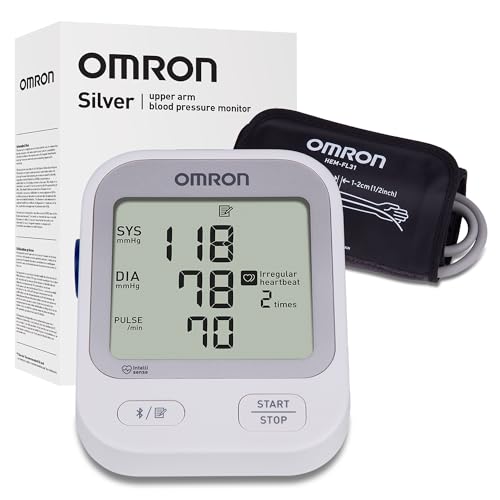
OMRON Silver Blood Pressure Monitor for Home Use & Upper Arm Blood Pressure Cuff - #1 Doctor & Pharmacist Recommended Brand - Clinically Validated - Connect App
Check your blood pressure daily ... rise above normal. <strong>Pair your Bluetooth blood pressure monitors to the OMRON Connect app to store unlimited readings, track trends and share results with you

TriggerPoint GRID Foam Roller for Exercise, Deep Tissue Massage and Muscle Recovery, Original (13-Inch)
The 13-inch GRID X features <strong>extra dense foam for working the tightest muscles</strong>. Purchase of any TriggerPoint GRID foam roller includes free access to an online instructional video libr
Evidence & Sources
Promising research with growing clinical support from multiple studies
- FDA Prescribing Information for Tizanidine
- DailyMed
- American Academy of Neurology
- Cochrane Database of Systematic Reviews
- NCCIH (National Center for Complementary and Integrative Health)
- British National Formulary
- PubMed clinical literature on spasticity management
- StatPearls
This content is for informational purposes only and does not constitute medical advice. Always consult a qualified healthcare provider before starting, stopping, or changing any supplement or medication regimen.