

Thyroid Hormone Replacement
Also known as: thyroid meds, thyroid hormone medication, hypothyroid medicine
Overview
Thyroid hormone replacement refers to medications used to restore or supplement thyroid hormone when the thyroid gland does not produce enough on its own. These therapies are most commonly used in hypothyroidism, a condition associated with low circulating thyroid hormone and a slowing of many metabolic processes. Thyroid hormone affects nearly every organ system, influencing energy production, temperature regulation, heart rate, digestion, mood, skin and hair turnover, menstrual function, and cholesterol metabolism. Because of this broad physiologic role, inadequate thyroid hormone can present with diverse symptoms such as fatigue, cold intolerance, constipation, weight change, dry skin, menstrual irregularities, depressed mood, and cognitive slowing.
The most widely used thyroid replacement medication is levothyroxine (T4), a synthetic form of thyroxine that the body converts into the more active hormone triiodothyronine (T3) as needed. Other forms include liothyronine (T3), combination T4/T3 products, and desiccated thyroid preparations derived from animal thyroid tissue. In conventional practice, thyroid replacement is commonly prescribed for primary hypothyroidism, including autoimmune thyroiditis (Hashimoto's disease), post-surgical hypothyroidism, post-radiation hypothyroidism, congenital hypothyroidism, and some cases of central hypothyroidism. It may also be used after thyroid cancer treatment, although goals and monitoring differ in that context.
Interest in thyroid hormone replacement often extends beyond standard prescribing. Many people explore the topic because of ongoing symptoms despite treatment, questions about absorption, interactions with supplements or foods, concerns about switching between formulations, or interest in whether “natural” thyroid products differ meaningfully from synthetic options. These questions are especially common in integrative and alternative medicine settings, where thyroid function may be discussed alongside digestion, stress physiology, nutrient status, sleep, and whole-body metabolic balance. Research suggests that while most patients do well on standard levothyroxine therapy, a subset continue to report persistent symptoms, prompting ongoing debate about individualized therapy, formulation choice, and the role of combination approaches.
From a public health standpoint, hypothyroidism is common, particularly in women and with increasing age. The adequacy of thyroid hormone replacement is typically assessed through TSH, and in some circumstances free T4 and free T3, with interpretation shaped by the underlying cause of thyroid dysfunction. Although thyroid replacement is a routine and often highly effective therapy, it is also a medication category where precision matters: both under-replacement and over-replacement can have meaningful effects on cardiovascular, skeletal, and neurocognitive health. For that reason, any questions about symptoms, formulation changes, supplement interactions, or complementary approaches are generally best evaluated with a qualified healthcare professional familiar with thyroid disease.
Medical Perspectives
Two Ways of Seeing Health

Western
scientific · clinical
Western medicine applies science, technology, and clinical experience to treat symptoms through testing, diagnosis, and targeted intervention.

Eastern
traditional · alternative
Eastern medicine focuses on treating the body naturally by applying traditional knowledge practiced for thousands of years, emphasizing balance and whole-person wellness.
Gold Bamboo presents both perspectives side-by-side so you can make informed decisions. We don't advocate for one over the other — your health choices are yours.
Western Medicine Perspective
Western Medicine Perspective
In conventional medicine, thyroid hormone replacement is understood as hormone substitution therapy intended to restore normal physiologic levels when endogenous production is insufficient. The standard first-line therapy for most forms of hypothyroidism is levothyroxine, largely because it has predictable potency, a long half-life, stable blood levels when used consistently, and a substantial evidence base. Clinical guidelines from major endocrine organizations generally support levothyroxine monotherapy as the preferred treatment for primary hypothyroidism. Monitoring typically relies on serum TSH, with free T4 used in selected cases, particularly central hypothyroidism, pregnancy, or complex presentations.
A major issue in thyroid replacement is bioavailability and consistency. Studies indicate that absorption can be affected by timing of administration, gastrointestinal conditions, and interactions with substances such as calcium, iron, proton pump inhibitors, fiber, soy, and some other medications or supplements. Different formulations—including tablets, soft-gel capsules, and liquid preparations—may perform differently in people with suspected malabsorption or significant drug-food interactions. Western medicine also recognizes that brand-to-brand or manufacturer-to-manufacturer variation can matter for some patients, which is why clinicians often monitor laboratory values after a formulation change.
Another area of discussion is the management of patients who continue to report symptoms despite normalized TSH. Research has explored whether some individuals may benefit from combination T4/T3 therapy, but results have been mixed, and major guidelines generally describe the evidence as insufficient for routine use. Similarly, desiccated thyroid extract remains controversial: some patients report subjective benefit, but concerns include nonphysiologic T3 content, potency variability, and a more limited evidence base compared with levothyroxine. Conventional care therefore tends to emphasize careful diagnosis, laboratory monitoring, review of adherence and absorption issues, and assessment for other causes of persistent symptoms such as anemia, sleep disorders, depression, menopause, or other endocrine conditions.
Western medicine also pays close attention to the risks of over-replacement, which may contribute to atrial fibrillation, palpitations, anxiety, bone loss, and other complications, particularly in older adults. In this framework, thyroid replacement is not simply a symptom-based therapy but a precisely titrated endocrine treatment requiring individualized monitoring. Complementary practices may be discussed, but they are generally viewed as adjunctive considerations rather than substitutes for appropriately managed hormone replacement when clinically indicated.
Eastern & Traditional Perspective
Eastern/Traditional Medicine Perspective
In Traditional Chinese Medicine (TCM), symptoms associated with hypothyroid states are not usually framed as a deficiency of a single hormone but as a pattern of imbalance involving systems such as Kidney Yang, Spleen Qi/Yang, and sometimes Heart Yang or Phlegm-Damp accumulation. Fatigue, coldness, edema, weight gain, slowed digestion, and low motivation may be interpreted through these broader functional patterns. The traditional goal is not hormone replacement in the biomedical sense, but restoration of systemic balance, warmth, transformation, and vitality. Herbal formulas, acupuncture, moxibustion, and dietary therapy have traditionally been used according to pattern differentiation rather than disease label alone.
In Ayurveda, hypothyroid-like presentations may be discussed in terms of disturbed agni (metabolic fire), kapha accumulation, and in some cases vata imbalance affecting energy, mood, and tissue nourishment. The emphasis is often placed on metabolism, digestion, circulation, mental clarity, and constitutional balance. Classical Ayurvedic and broader naturopathic discussions may also consider stress burden, bowel function, sleep, and nutrient assimilation as important contributors to how a person experiences low-thyroid symptoms. These systems typically take a whole-person view, integrating physical, emotional, and environmental influences.
From an integrative medicine standpoint, traditional approaches are often explored as supportive frameworks for symptom management and quality of life, especially in people seeking help with energy, digestion, or general well-being while already using conventional thyroid medication. However, evidence for traditional interventions specifically improving thyroid hormone replacement outcomes remains limited and heterogeneous. Research on acupuncture, selected botanicals, selenium, myo-inositol, and other adjunctive strategies is developing, but findings are not uniform and may apply only to selected subgroups, such as autoimmune thyroid disease rather than thyroid hormone replacement itself.
A balanced traditional perspective generally recognizes that when thyroid hormone is clearly deficient, replacement therapy addresses a biologic deficit that traditional systems do not directly replicate. At the same time, eastern and holistic traditions may offer interpretive models for understanding residual symptoms, stress-related exacerbation, digestive factors, and constitutional resilience. Because herbs, supplements, and mineral products can interact with thyroid medication absorption or laboratory interpretation, integrative care is typically safest when coordinated with a healthcare professional informed about both conventional and traditional approaches.
Supplements & Products
Recommended Products

Living Well with Hypothyroidism: What Your Doctor Doesn't Tell You... That You Need to Know (Revised Edition): Shomon, Mary J.
Which alternative and holistic therapies, nutritional changes, and supplements may help treat hypothyroidism? Diagnosed with a thyroid disease in 1995, Mary J. Shomon has transformed her health challe
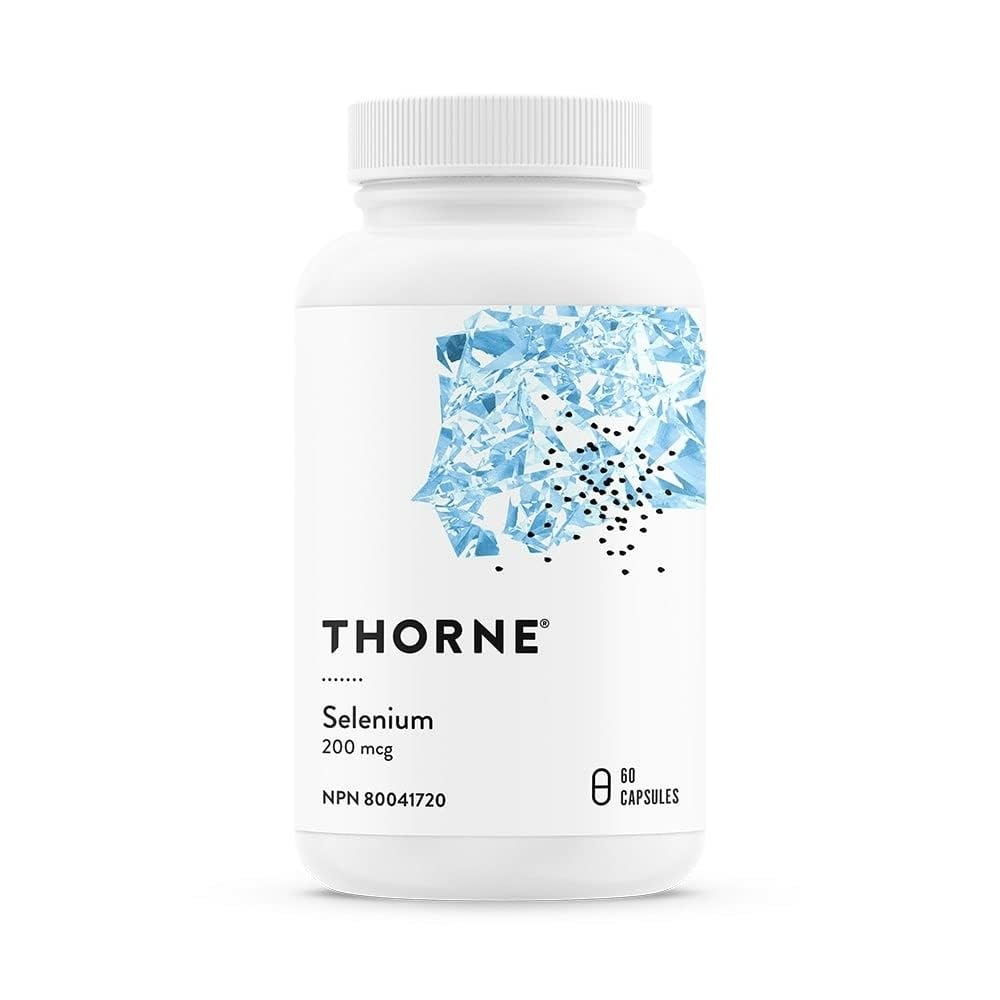
THORNE - Selenium - 200 mcg Selenium Supplement for Antioxidant Support* - 60 Capsules : Everything Else
One Capsule Contains: Selenium (as L-Selenomethionine) 200 mcg.

Complete at
ACCURATE - <strong>Measure TSH, free T3, free T4, and TPO antibodies as a measure of Hashimoto's autoimmunity to get to the root cause</strong>.
Evidence & Sources
Supported by multiple clinical trials and systematic reviews
- American Thyroid Association Guidelines
- Endocrine Society
- National Institute of Diabetes and Digestive and Kidney Diseases (NIDDK)
- National Center for Complementary and Integrative Health (NCCIH)
- JAMA
- The New England Journal of Medicine
- Thyroid
- European Thyroid Journal
This content is for informational purposes only and does not constitute medical advice. Always consult a qualified healthcare provider before starting, stopping, or changing any supplement or medication regimen.