

Stimulants
Also known as: ADHD stimulants, stimulant medications, CNS stimulants
Overview
Stimulants are a class of medications that increase activity in the central nervous system and are most commonly associated with the treatment of attention-deficit/hyperactivity disorder (ADHD) and, in some cases, narcolepsy and related sleep-wake disorders. Common prescription stimulants include methylphenidate-based and amphetamine-based medicines. These medications are frequently discussed in connection with focus, attention span, wakefulness, motivation, appetite suppression, and sleep disruption, because all of these areas can be affected by stimulant use.
In modern clinical practice, stimulants are among the most studied medications for ADHD. Research suggests they can reduce core symptoms such as inattention, impulsivity, and hyperactivity in many children, adolescents, and adults. At the same time, they are also associated with important tradeoffs and monitoring considerations, including changes in heart rate, blood pressure, sleep, mood, and appetite. Public interest in stimulants often extends beyond medical diagnosis into broader questions about concentration, productivity, and “mental energy,” which has increased attention on both benefits and risks.
Stimulants also occupy a complex place in public health. While they have a well-established role in specific diagnosed conditions, they are also medications with misuse and diversion potential, especially in academic and workplace settings. This has led to ongoing discussion about safe prescribing, proper diagnosis, long-term monitoring, and the difference between medically supervised use and nonmedical use. Search interest often reflects these concerns, particularly around side effects such as reduced appetite, weight change, jitteriness, anxiety, and insomnia, as well as questions about whether lifestyle or complementary approaches may support concentration and overall functioning.
From a broader integrative health perspective, stimulants are often viewed not as a standalone topic but as part of a larger picture involving sleep quality, nutrition, stress regulation, behavioral support, and underlying neurodevelopmental or neurologic conditions. Conventional medicine emphasizes diagnosis, symptom control, and safety monitoring, while traditional and complementary systems may frame attention, energy, and restlessness through patterns of imbalance involving the nervous system, digestion, stress response, or vitality. Because stimulant effects can interact with other medical conditions and with herbs or supplements, discussions are best individualized with qualified healthcare professionals.
Alternative Treatment Options
Attention-deficit/hyperactivity disorder (ADHD) is a neurodevelopmental condition involving persistent patterns of inattention, hyperactivity, and/or impulsivity that interfere with daily life. It can affect school performance, work, relationships, emotional regulation, sleep, and self-management. Although often diagnosed in childhood, ADHD also affects many adolescents and adults. Presentation varies widely: some people mainly struggle with distractibility and disorganization, while others are more affected by restlessness, impulsive behavior, or a mix of both. Treatment options vary because ADHD is not a single uniform experience. Symptom severity, age, coexisting anxiety or sleep problems, occupational or school demands, medication preferences, and tolerance for side effects all shape care choices. In Western medicine, the strongest evidence generally supports stimulant medications, several non-stimulant medications, and structured behavioral interventions. In Eastern and integrative traditions, approaches such as acupuncture, mindfulness-based practices, and selected herbal strategies are used to support attention, stress regulation, sleep, and overall balance, though the evidence base is often smaller or more mixed. A balanced decision process usually considers both symptom relief and broader quality-of-life goals.
Compare treatments (6 options)Medical Perspectives
Two Ways of Seeing Health

Western
scientific · clinical
Western medicine applies science, technology, and clinical experience to treat symptoms through testing, diagnosis, and targeted intervention.

Eastern
traditional · alternative
Eastern medicine focuses on treating the body naturally by applying traditional knowledge practiced for thousands of years, emphasizing balance and whole-person wellness.
Gold Bamboo presents both perspectives side-by-side so you can make informed decisions. We don't advocate for one over the other — your health choices are yours.
Western Medicine Perspective
Western Medicine Perspective
In conventional medicine, stimulants are understood primarily through their effects on dopamine and norepinephrine signaling in the brain. These neurotransmitter systems are involved in attention, executive function, reward processing, alertness, and behavioral regulation. For ADHD, stimulants are considered first-line pharmacologic therapy in many guidelines because large clinical literatures indicate meaningful symptom improvement for many patients. In narcolepsy and related disorders of excessive daytime sleepiness, stimulant or wake-promoting medications may also be used to support daytime alertness.
Clinicians generally distinguish between methylphenidate formulations and amphetamine formulations, each available in short-acting and extended-release versions. The choice of formulation may depend on duration of action, timing of symptoms, side effect profile, and patient-specific factors. Commonly monitored effects include decreased appetite, delayed sleep onset, irritability, headache, abdominal discomfort, increased heart rate, and increased blood pressure. In some individuals, stimulants may also interact with anxiety symptoms, tics, mood symptoms, or substance use risk, which is why screening and follow-up are central parts of care.
Conventional medicine also places strong emphasis on assessment and monitoring. Before and during treatment, healthcare professionals may review cardiovascular history, growth patterns in children, sleep, mental health symptoms, and the possibility of misuse or diversion. Research on long-term outcomes is substantial but nuanced: studies indicate stimulants can be highly effective for symptom reduction while questions about duration of benefit, adherence, functional outcomes, and individual variability remain important. Western medicine typically views stimulant use as one component of a broader treatment plan that may also include behavioral therapy, school or workplace accommodations, sleep support, and psychoeducation.
Another major focus is safety around drug interactions and nonmedical use. Stimulants may interact with certain antidepressants, decongestants, monoamine oxidase inhibitors, and other substances that influence blood pressure, heart rhythm, or mental status. Because these medications can suppress appetite and disturb sleep, conventional care often pays close attention to nutritional intake, weight trends, and insomnia-related concerns. Any questions about changing dose, timing, or combining stimulants with supplements are generally best reviewed with a licensed clinician or pharmacist.
Eastern & Traditional Perspective
Eastern / Traditional Medicine Perspective
Traditional systems do not generally classify “stimulants” in the same pharmacologic way as modern biomedicine, but they do address the patterns of attention difficulty, restlessness, poor concentration, fatigue, irregular sleep, and depleted vitality that often surround their use. In Traditional Chinese Medicine (TCM), symptoms related to distractibility or agitation may be interpreted through patterns such as Heart Shen disturbance, Liver yang rising, phlegm misting the mind, or underlying Spleen qi deficiency affecting clarity and focus. Sleep disruption and appetite changes may also be understood as signs that the body’s regulatory balance has been unsettled.
In Ayurveda, difficulties with sustained attention, overstimulation, insomnia, and variable appetite may be framed in relation to Vata imbalance, especially when the nervous system is described as scattered, restless, or overactivated. In some cases, mental fatigue with low motivation may also involve reduced digestive or metabolic resilience, depending on the individual pattern assessment. Traditional approaches tend to emphasize routine, sleep regularity, digestion, stress modulation, and mind-body practices as part of restoring steadiness rather than focusing only on isolated symptoms.
Naturopathic and integrative traditions often discuss stimulant-related concerns in the context of the broader “terrain”: sleep quality, nutrient intake, movement, stress load, coexisting anxiety, and circadian rhythm stability. Herbs, breathing practices, meditation, acupuncture, and dietary strategies are traditionally used in some settings to support calm attention, resilience, and sleep. However, evidence quality varies widely, and “natural” does not always mean low-risk. Some herbs and supplements may have activating effects, sedating effects, or interactions with prescription stimulants, particularly regarding blood pressure, heart rate, mood, and sleep.
Across traditional systems, the central idea is often balance rather than stimulation. Instead of viewing focus solely as a matter of increasing alertness, eastern and holistic frameworks may emphasize that clear attention emerges when rest, digestion, emotional regulation, and daily rhythms are more stable. These perspectives may be valuable for understanding supportive lifestyle context, but they are not substitutes for diagnosis or medication management in conditions such as ADHD or narcolepsy. Integrative care is most appropriate when coordinated with qualified healthcare providers familiar with both conventional and traditional approaches.
Supplements & Products
Recommended Products

ADHD 2.0: New Science and Essential Strategies for Thriving with Distraction-from Childhood through Adulthood: Hallowell M.D., Edward M., Ratey M.D., John J.
Hallowell and Ratey, both of whom have this “variable attention trait,” <strong>draw on the latest science to provide both parents and adults with ADHD a plan for minimizing the downside and maximizin
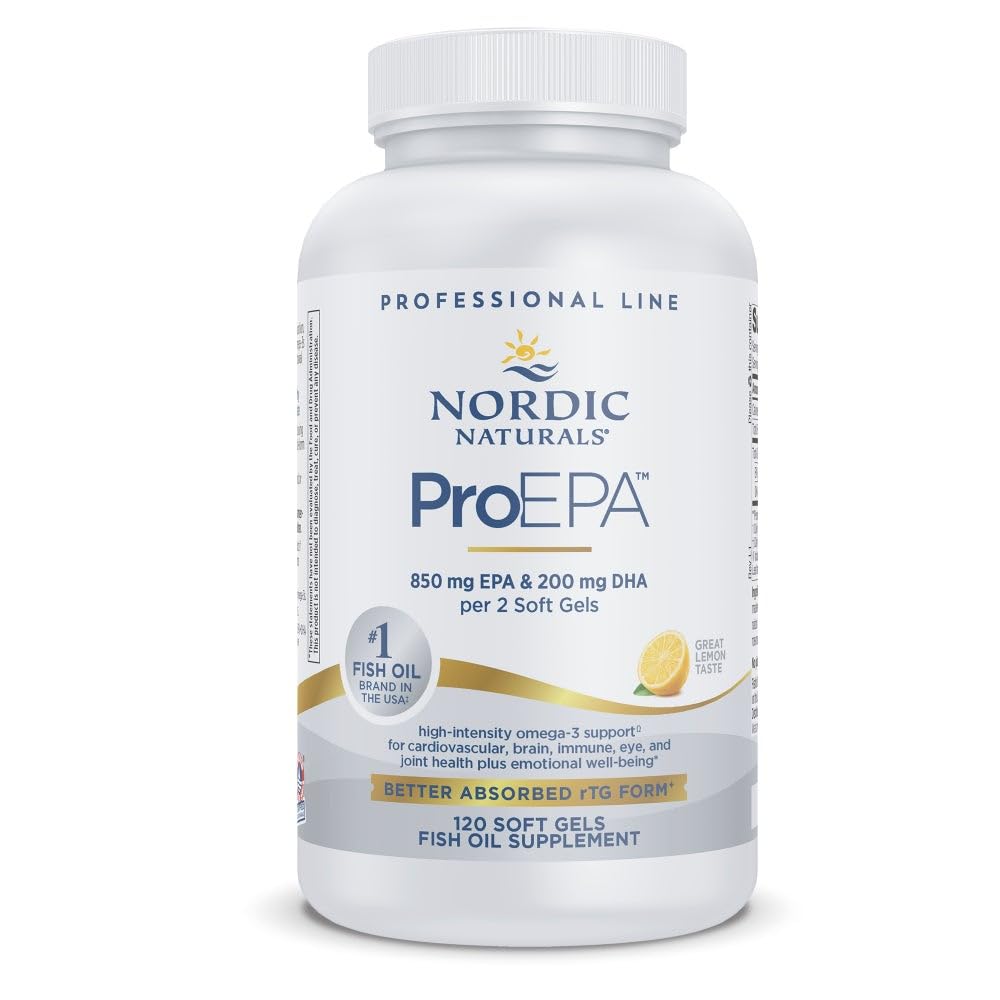
Nordic Naturals ProEPA, Lemon - 120 Soft Gels - 1210 mg Omega-3 - High-Intensity EPA Formula for Healthy Mood, Heart Health & Cellular Function - Non-GMO - 60 Servings
Nordic Naturals EPA Xtra, Lemon - 60 Soft Gels - 1640 mg Omega-3 - High-Intensity EPA Formula for Positive Mood, Heart Health & Healthy Immunity - Non-GMO - 30 Servings · Nordic Naturals Ultimate

Life Extension Melatonin, 300 mcg, Gentle Sleep Support, Healthy circadian Rhythms, Cellular Defense, Gluten-Free, Non-GMO, Vegetarian, 100 Capsules
... Melatonin is a hormone produced ... This 300 mcg sleep supplement <strong>promotes healthy sleep-wake patterns, promotes falling asleep, and encourages the duration and quality of your sleep</stro
Evidence & Sources
Supported by multiple clinical trials and systematic reviews
- American Academy of Pediatrics (AAP) Clinical Practice Guideline for ADHD
- American Academy of Child and Adolescent Psychiatry (AACAP) Practice Parameters
- National Institute for Health and Care Excellence (NICE) Guideline: Attention Deficit Hyperactivity Disorder
- National Institute of Mental Health (NIMH) – ADHD
- Cochrane Reviews on methylphenidate and amphetamines for ADHD
- New England Journal of Medicine
- JAMA
- Lancet Psychiatry
- National Center for Complementary and Integrative Health (NCCIH)
- American Academy of Sleep Medicine (AASM)
This content is for informational purposes only and does not constitute medical advice. Always consult a qualified healthcare provider before starting, stopping, or changing any supplement or medication regimen.