

Simvastatin
Also known as: Zocor, Cholesterol medication, Simvastatin
Overview
Simvastatin is a prescription medication in the statin class, used primarily to lower low-density lipoprotein (LDL) cholesterol and reduce the risk of atherosclerotic cardiovascular disease. It works by inhibiting HMG-CoA reductase, a key liver enzyme involved in cholesterol production. By lowering circulating LDL cholesterol and, to a lesser extent, triglycerides while modestly increasing high-density lipoprotein (HDL) cholesterol, simvastatin has played a major role in modern cardiovascular prevention.
High cholesterol is a major contributor to plaque buildup in arteries, which can increase the likelihood of heart attack, stroke, and peripheral arterial disease. In this context, simvastatin has been widely used in adults with elevated cholesterol, existing cardiovascular disease, diabetes, or other risk factors that increase the likelihood of vascular events. Research over several decades has shown that statin therapy as a class can substantially reduce cardiovascular morbidity and mortality, especially in people at elevated baseline risk.
Simvastatin is available in generic form and has historically been one of the most commonly prescribed statins worldwide. It is often discussed alongside other statins such as atorvastatin, pravastatin, and rosuvastatin, which differ in potency, metabolism, drug-interaction profile, and dosing considerations. One important distinction is that simvastatin is metabolized through CYP3A4, making it more susceptible to medication interactions than some other statins.
Like all medications, simvastatin has benefits and limitations. Conventional safety discussions often focus on muscle-related side effects, liver enzyme elevations, rare but serious muscle injury, and interaction risks with certain drugs and grapefruit products. Some patients also raise questions about fatigue, memory concerns, blood sugar effects, or long-term tolerability. In balanced health education, simvastatin is best understood as one component of a broader cardiovascular risk-reduction strategy that may also include nutrition, movement, sleep, smoking cessation, and management of blood pressure and metabolic health under appropriate professional guidance.
Medical Perspectives
Two Ways of Seeing Health

Western
scientific · clinical
Western medicine applies science, technology, and clinical experience to treat symptoms through testing, diagnosis, and targeted intervention.

Eastern
traditional · alternative
Eastern medicine focuses on treating the body naturally by applying traditional knowledge practiced for thousands of years, emphasizing balance and whole-person wellness.
Gold Bamboo presents both perspectives side-by-side so you can make informed decisions. We don't advocate for one over the other — your health choices are yours.
Western Medicine Perspective
Western Medicine Perspective
In conventional medicine, simvastatin is understood as a lipid-lowering and cardiovascular risk-reducing medication. Its primary mechanism is reduction of hepatic cholesterol synthesis, which increases LDL receptor activity and enhances clearance of LDL particles from the bloodstream. Clinical use is typically framed not only around cholesterol numbers, but also around overall cardiovascular risk, including prior heart attack or stroke, diabetes, age, blood pressure, smoking status, and family history.
Large randomized trials of statins, including studies involving simvastatin, have shown reductions in major vascular events. Landmark evidence such as the Scandinavian Simvastatin Survival Study (4S) and the Heart Protection Study helped establish simvastatin as an important therapy for both secondary prevention and selected higher-risk primary prevention populations. Contemporary guidelines from organizations such as the American College of Cardiology/American Heart Association and other lipid societies generally treat statins as foundational therapy for patients with established atherosclerotic cardiovascular disease and many patients at elevated risk.
From a safety standpoint, conventional medicine emphasizes monitoring for myalgia, myopathy, and rare rhabdomyolysis, especially at higher doses or when simvastatin is combined with interacting medications. Because simvastatin has notable CYP3A4-related interaction potential, clinicians often review concurrent use of certain antifungals, macrolide antibiotics, calcium channel blockers, HIV protease inhibitors, and other agents. Regulatory agencies have also highlighted concerns around the 80 mg dose, which carries a higher muscle injury risk. Mild liver enzyme elevations can occur, and statins as a class are also associated with a small increase in blood glucose in some individuals, though cardiovascular benefit generally outweighs this risk in appropriately selected patients.
Conventional care also recognizes that not every patient tolerates every statin equally. If muscle symptoms or interaction concerns arise, clinicians may evaluate alternative statins, dose adjustments, non-statin therapies, or assessment for other causes of symptoms. Decisions are typically individualized, and questions about continued use are best discussed with a licensed healthcare professional familiar with the patient’s medical history and medication list.
Eastern & Traditional Perspective
Eastern/Traditional Medicine Perspective
In Traditional Chinese Medicine (TCM) and related East Asian frameworks, simvastatin is not classified according to a traditional materia medica category because it is a modern pharmaceutical. Instead, elevated cholesterol and cardiovascular risk may be interpreted through broader patterns such as phlegm-damp accumulation, blood stasis, liver qi stagnation, spleen deficiency, or kidney imbalance, depending on the person’s overall presentation. From this perspective, the goal is often to understand the terrain in which metabolic and vascular imbalance develops rather than to focus only on a single laboratory value.
Traditional systems such as Ayurveda likewise do not classify simvastatin within classical herbal categories, but may interpret lipid disorders through concepts involving kapha imbalance, impaired agni (digestive/metabolic fire), ama accumulation, and meda dhatu dysfunction. In these frameworks, dietary pattern, digestion, circulation, stress, and daily routine are often seen as interconnected contributors to long-term metabolic health. Naturopathic and integrative practitioners may similarly consider inflammation, diet quality, exercise patterns, sleep, and stress burden while acknowledging the established role of statin therapy in conventional cardiovascular prevention.
An integrative perspective often treats simvastatin as a biomedical tool that may coexist with traditional approaches aimed at whole-person support. Research interest has explored whether nutrition, mind-body practices, and selected traditional interventions may support cardiometabolic health alongside standard care, but this does not replace the safety considerations associated with prescription statins. Of particular importance, some herbs, supplements, and foods can alter drug metabolism or affect liver and muscle safety, so any combination approach warrants review by qualified healthcare professionals.
Overall, eastern and traditional systems tend to place greater emphasis on pattern differentiation, constitution, digestion, circulation, and lifestyle rhythm, while western medicine focuses on lipid pathways and quantified event reduction. In educational terms, these perspectives can be viewed as complementary frameworks for understanding cardiovascular health, provided medication safety and evidence quality are carefully respected.
Supplements & Products
Recommended Products
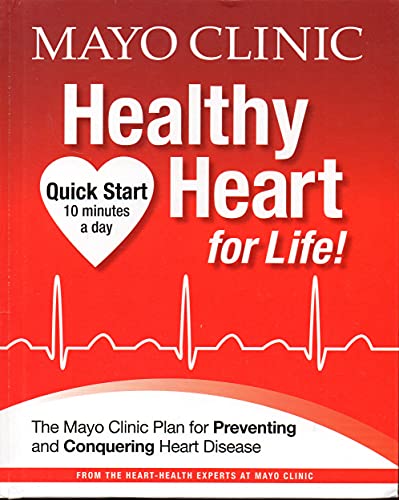
Mayo Clinic Healthy Heart For Life: The Mayo Clinic Plan For Preventing and Conquering Heart Disease
Mayo Clinic · Seguir · de M.D. ... Healthy Heart for Life! <strong>This book identifies all the factors Mayo Clinic doctors know you can use to achieve those ends, organized into 10 easy-to-follow ste

Jarrow Formulas QH-Absorb Ubiquinol 100mg - 120 Softgels - High Absorption & Active Antioxidant Form of Co-Q10 - Supports Mitochondrial Energy Production & Healthy Cardiovascular Function
Clinically Shown: Jarrow Formulas’ ... mg per day) over baseline · Convenient Softgels: <strong>Each softgel form QH-Absorb serving provides 100 mg of ubiquinol, a Co Q 10 supplement</strong>; Take 1

Nature Made CholestOFF Plus Plant Sterols and Stanols 210 Softgels
This statement has not been evaluated by the Food and Drug Administration; This product is not intended to diagnose, treat, cure or prevent any disease 900 mg. Plant Sterols And Stanols per Serving Gl
Evidence & Sources
Supported by multiple clinical trials and systematic reviews
- Scandinavian Simvastatin Survival Study (4S), The Lancet
- Heart Protection Study, The Lancet
- American College of Cardiology/American Heart Association Cholesterol Guidelines
- U.S. Food and Drug Administration (FDA)
- National Heart, Lung, and Blood Institute (NHLBI)
- National Institute for Health and Care Excellence (NICE)
- Cochrane Database of Systematic Reviews
- National Center for Complementary and Integrative Health (NCCIH)
This content is for informational purposes only and does not constitute medical advice. Always consult a qualified healthcare provider before starting, stopping, or changing any supplement or medication regimen.