

Serotonin-Norepinephrine Reuptake Inhibitors
Also known as: SNRIs, SNRI antidepressants, serotonin norepinephrine reuptake inhibitors
Overview
Serotonin-norepinephrine reuptake inhibitors (SNRIs) are a class of prescription medications most commonly used in the treatment of major depressive disorder, anxiety disorders, and certain pain-related conditions such as diabetic neuropathy, fibromyalgia, and chronic musculoskeletal pain. Common examples include venlafaxine, desvenlafaxine, duloxetine, levomilnacipran, and milnacipran. Their core pharmacologic action involves increasing the availability of the neurotransmitters serotonin and norepinephrine in the brain and nervous system, chemicals that play central roles in mood regulation, stress response, attention, and pain signaling.
SNRIs are significant in modern medicine because they sit at the intersection of mental health treatment and pain management. In mood disorders, they are used as one among several evidence-based medication options. In pain medicine, some SNRIs—particularly duloxetine and milnacipran—have also been studied for conditions involving altered pain processing or neuropathic pain. This dual role has made the class especially relevant in integrative care, where clinicians and patients often explore how medication, psychotherapy, lifestyle approaches, sleep support, mind-body practices, and nutritional strategies may fit together.
Like other antidepressants, SNRIs are widely prescribed, but their effects can vary considerably across individuals. Research suggests they may reduce symptoms for many people, though they are not universally effective and may take several weeks to show full benefit. Side effects can include nausea, sweating, dry mouth, dizziness, sexual side effects, sleep changes, elevated blood pressure (for some agents and at some doses), and discontinuation symptoms if stopped abruptly. Because of these considerations, discussions around SNRIs often include not only effectiveness but also tolerability, duration of use, tapering, withdrawal-like symptoms, and long-term care planning.
From a broader health perspective, SNRIs are best understood as tools within a larger therapeutic landscape, rather than stand-alone solutions. Conventional medicine evaluates them through diagnosis, symptom severity, safety, and comparative effectiveness. Integrative and traditional systems may place greater emphasis on the person’s constitution, stress burden, sleep quality, digestion, emotional balance, and underlying patterns of imbalance. Across both perspectives, it is generally recognized that medication decisions are individualized and are best reviewed with a qualified healthcare professional, especially when combining pharmaceuticals with supplements, herbs, or other therapies.
Medical Perspectives
Two Ways of Seeing Health

Western
scientific · clinical
Western medicine applies science, technology, and clinical experience to treat symptoms through testing, diagnosis, and targeted intervention.

Eastern
traditional · alternative
Eastern medicine focuses on treating the body naturally by applying traditional knowledge practiced for thousands of years, emphasizing balance and whole-person wellness.
Gold Bamboo presents both perspectives side-by-side so you can make informed decisions. We don't advocate for one over the other — your health choices are yours.
Western Medicine Perspective
Western Medicine Perspective
In conventional medicine, SNRIs are classified as antidepressants that inhibit the reuptake of serotonin and norepinephrine, thereby increasing synaptic concentrations of these neurotransmitters. They are commonly used for major depressive disorder, generalized anxiety disorder, social anxiety disorder, panic disorder, and in some cases post-traumatic stress disorder or vasomotor symptoms such as menopausal hot flashes. Certain agents also carry indications for neuropathic pain, fibromyalgia, and chronic musculoskeletal pain. Their place in treatment is typically determined by a combination of diagnosis, symptom profile, coexisting pain, prior response to medications, side-effect history, and patient preference.
Clinical research indicates that SNRIs can be effective for depression and anxiety, with benefits broadly comparable to other first-line antidepressant classes in many populations. Duloxetine has also been studied in diabetic peripheral neuropathic pain and chronic pain syndromes, while milnacipran has been used in fibromyalgia. Conventional prescribing emphasizes monitoring for adverse effects and safety issues, including blood pressure changes, agitation, sleep disturbance, gastrointestinal effects, sexual dysfunction, and the risk of serotonin syndrome when combined with other serotonergic agents. As with other antidepressants, boxed warnings and psychiatric monitoring considerations may apply, particularly in younger populations.
A major topic in current practice is discontinuation syndrome and tapering. Medications such as venlafaxine are particularly associated with withdrawal-like symptoms when doses are reduced too quickly or stopped abruptly. Conventional guidance generally frames tapering as an individualized clinical process that may require gradual dose adjustment and monitoring. In integrative settings, interest often centers on whether psychotherapy, sleep regulation, physical activity, mindfulness-based interventions, or nutritional support may help patients during broader mental health care or medication transitions. Evidence for these supportive approaches varies by condition and intervention, and coordination with the prescribing clinician is considered important.
Eastern & Traditional Perspective
Eastern/Traditional Medicine Perspective
Traditional medical systems do not describe SNRIs in terms of serotonin and norepinephrine, but they may interpret the conditions for which SNRIs are used—such as low mood, anxiety, insomnia, fatigue, irritability, tension, and chronic pain—through their own diagnostic frameworks. In Traditional Chinese Medicine (TCM), presentations related to depression and anxiety may be associated with patterns such as Liver qi stagnation, Heart shen disturbance, Spleen qi deficiency, or yin-blood deficiency, while chronic pain may involve qi and blood stagnation or deficiency-based patterns. In Ayurveda, mood disturbance and nerve-related pain may be understood through imbalances involving vata, pitta, ojas, digestion, and the mind-body channels.
From these perspectives, the focus is often less on a single chemical mechanism and more on restoring systemic balance—including sleep, digestion, emotional regulation, daily rhythm, stress resilience, and pain processing. Traditional approaches may include acupuncture, herbal medicine, breathwork, meditation, yoga, bodywork, dietary patterning, and constitutional assessment. Research in integrative medicine suggests that some of these approaches may support mood symptoms, stress reduction, or chronic pain in selected populations, but they are generally not considered direct equivalents to antidepressant medication. The evidence base is mixed, and quality can vary depending on the therapy and condition studied.
An important consideration in integrative care is the potential for herb-drug interactions and overlapping physiologic effects. Some botanicals and supplements used for mood or pain may affect serotonergic pathways, liver metabolism, bleeding risk, sedation, or blood pressure, which can be clinically relevant when used alongside SNRIs. For that reason, traditional and complementary therapies are typically discussed in the context of coordinated care with qualified practitioners. In balanced integrative models, the goal is not to position eastern and western approaches as mutually exclusive, but to understand how different frameworks may contribute to a fuller picture of emotional health, nervous system regulation, and chronic pain.
Supplements & Products
Recommended Products
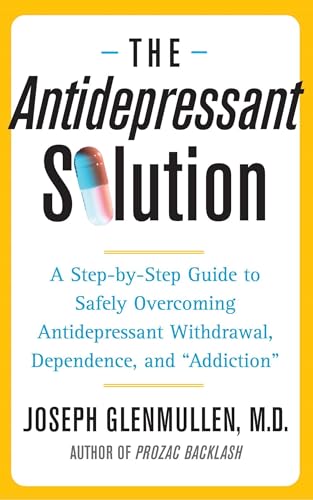
The Antidepressant Solution: A Step-by-Step Guide to Safely Overcoming Antidepressant Withdrawal, Dependence, and "Addiction": Glenmullen, Joseph Joseph
With the FDA's warning that antidepressants may cause agitation, anxiety, hostility, and even violent or suicidal tendencies, these medications are at the forefront of national legal news. Harvar

Nordic Naturals Ultimate Omega, Lemon Flavor - 90 Soft Gels - 1280 mg Omega-3 - High-Potency Omega-3 Fish Oil Supplement with EPA & DHA - Promotes Brain & Heart Health - Non-GMO - 45 Servings
Buy Nordic Naturals Ultimate Omega, Lemon Flavor - 90 Soft Gels - 1280 mg Omega-3 - High-Potency Omega-3 Fish Oil Supplement with EPA & DHA - Promotes Brain & Heart Health - Non-GMO - 45 Servi
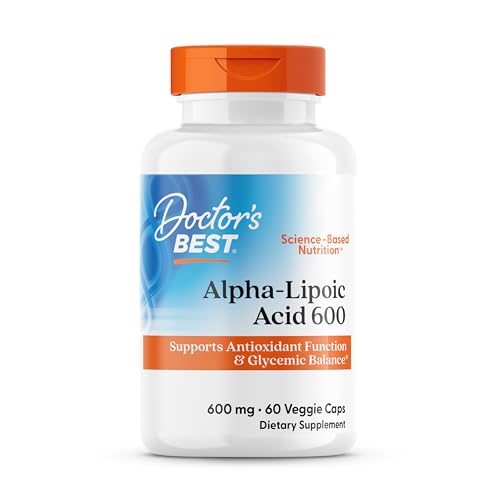
Doctor's Best Alpha Lipoic Acid Supplement 600mg - Alpha-Lipoic Acid Caps for Men & Women, ALA Antioxidant Support for Nerve Health, Aids in Cellular Function, Non GMO, Gluten Free - 60 Veg Capsules
SUPPORTS ANTIOXIDANT FUNCTION: ... · HIGH POTENCY 600 MG: <strong>Each capsule delivers a full 600mg dose of alpha lipoic acid in a vegan-friendly formula that is non-GMO, gluten free, and soy free</s
Evidence & Sources
Supported by multiple clinical trials and systematic reviews
- National Institute of Mental Health (NIMH)
- National Institute for Health and Care Excellence (NICE)
- American Psychiatric Association Practice Guidelines
- U.S. Food and Drug Administration (FDA)
- Cochrane Reviews
- New England Journal of Medicine
- JAMA Psychiatry
- National Center for Complementary and Integrative Health (NCCIH)
This content is for informational purposes only and does not constitute medical advice. Always consult a qualified healthcare provider before starting, stopping, or changing any supplement or medication regimen.