

Ranitidine
Also known as: Zantac, Acid reducer, Ranitidine
Overview
Ranitidine is a histamine-2 receptor antagonist (H2 blocker) that was widely used for conditions related to excess stomach acid, including heartburn, gastroesophageal reflux disease (GERD), peptic ulcer disease, and acid-related indigestion. It works by reducing acid secretion in the stomach, which can lessen irritation of the esophagus and stomach lining and support ulcer healing. For many years, it was available both by prescription and over the counter in multiple countries, making it one of the most recognized acid-reducing medications globally.
The public health significance of ranitidine changed substantially after regulatory agencies identified concerns about N-nitrosodimethylamine (NDMA), a probable human carcinogen, in some ranitidine products. Investigations by the U.S. Food and Drug Administration (FDA), European Medicines Agency (EMA), and other regulators found that NDMA levels in ranitidine could increase over time and under certain storage conditions. As a result, ranitidine products were withdrawn, suspended, or removed from many markets beginning in 2019–2020.
From a historical and clinical perspective, ranitidine remains important because it helped define the modern management of acid-related disorders before newer therapies, especially proton pump inhibitors (PPIs), became more dominant for many indications. It also remains relevant as a medication safety case study involving post-market surveillance, manufacturing quality, impurity testing, and reassessment of long-established drugs.
Today, discussion of ranitidine often centers less on its original therapeutic role and more on its regulatory status, safety concerns, and comparison with other acid-suppressing options. Anyone reviewing information on ranitidine may benefit from consulting a qualified healthcare professional or pharmacist for current regulatory updates and individualized medication questions, since product availability and guidance can vary by country.
Medical Perspectives
Two Ways of Seeing Health

Western
scientific · clinical
Western medicine applies science, technology, and clinical experience to treat symptoms through testing, diagnosis, and targeted intervention.

Eastern
traditional · alternative
Eastern medicine focuses on treating the body naturally by applying traditional knowledge practiced for thousands of years, emphasizing balance and whole-person wellness.
Gold Bamboo presents both perspectives side-by-side so you can make informed decisions. We don't advocate for one over the other — your health choices are yours.
Western Medicine Perspective
Western Medicine Perspective
In conventional medicine, ranitidine was understood as an acid-suppressing medication that blocks histamine H2 receptors on gastric parietal cells, thereby reducing basal and stimulated gastric acid secretion. This mechanism made it useful for symptom relief in heartburn and dyspepsia, as well as for promoting healing in gastric and duodenal ulcers. Earlier clinical research found H2 blockers like ranitidine to be effective for reducing ulcer recurrence and improving symptoms in reflux-related conditions, although they were later often surpassed by PPIs for stronger and more sustained acid suppression.
The major shift in the western medical view of ranitidine came from drug safety and quality concerns, not from a newly discovered pharmacologic problem. Regulatory reviews concluded that ranitidine could contain or generate unacceptable levels of NDMA, particularly as the product aged or was exposed to higher temperatures. Based on these findings, agencies including the FDA and EMA took action to remove or suspend ranitidine from the market. As a result, contemporary conventional medicine generally treats ranitidine as a medication of historical relevance rather than a routinely used current therapy in many regions.
From an evidence standpoint, ranitidine itself was well studied for acid-related disorders, but its current status is shaped by safety surveillance rather than questions about whether it reduced stomach acid. This distinction is important: the drug’s efficacy for acid suppression was supported by decades of use and research, while its withdrawal reflects concerns about impurity risk and product safety standards. For current care decisions involving reflux, ulcers, or chronic heartburn, conventional medicine relies on up-to-date medication safety data, regulatory guidance, diagnostic evaluation when appropriate, and clinician oversight.
Eastern & Traditional Perspective
Eastern/Traditional Medicine Perspective
In Traditional Chinese Medicine (TCM) and other traditional systems, a medicine like ranitidine is generally not viewed as addressing the underlying pattern of imbalance, even if it may reduce a symptom such as burning discomfort or acid regurgitation. TCM may interpret recurrent heartburn, reflux, or epigastric discomfort through patterns such as Stomach Heat, Liver qi stagnation affecting the Stomach, food stagnation, or disharmony between the Liver and Spleen/Stomach. The emphasis is often on differentiating the pattern behind the symptom rather than focusing only on acid suppression.
In Ayurveda, symptoms resembling acid reflux or hyperacidity are often discussed in relation to aggravated Pitta, impaired digestion, and dietary or lifestyle factors that disturb digestive balance. Traditional approaches may involve individualized assessment of constitution, digestive strength, meal patterns, and contributing stress factors. Similarly, naturopathic and traditional integrative frameworks may view persistent heartburn as a sign of broader digestive imbalance, placing attention on eating habits, triggers, stress physiology, and mucosal support rather than relying solely on suppression of gastric acid.
From an eastern and traditional perspective, ranitidine could be seen as a symptom-focused pharmaceutical tool rather than a root-cause therapy. At the same time, many integrative practitioners recognize that conventional medicines have had an important role in reducing discomfort and preventing complications in acid-related conditions. Traditional systems generally frame long-term digestive health within a broader context that includes constitution, diet, emotional factors, and systemic balance. Because reflux-like symptoms can overlap with more serious conditions, traditional evaluation is commonly considered alongside appropriate medical assessment rather than as a substitute for it.
Supplements & Products
Recommended Products
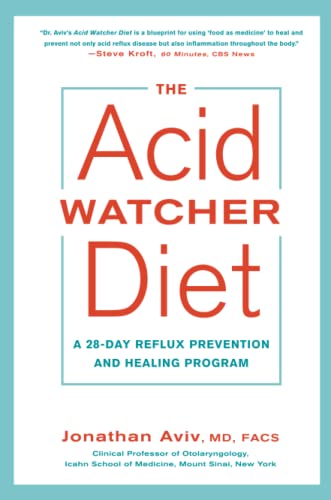
The Acid Watcher Diet: A 28-Day Reflux Prevention and Healing Program: Aviv MD FACS, Jonathan
Jonathan Aviv, <strong>a leading authority on the diagnosis and treatment of acid reflux disease</strong>, helps readers identify those often misunderstood symptoms while providing a proven solution f
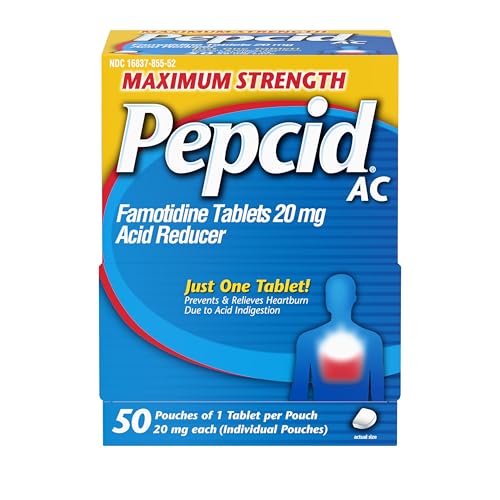
Pepcid AC Maximum Strength Heartburn Relief Tablets, OTC Medicine Prevents & Relieves Heartburn & Acid Reflux Due to Acid Indigestion, 20mg Famotidine Acid Reducer, Fast-Acting, 50 ct
Maximum Strength Pepcid AC Heartburn Relief Tablets with famotidine <strong>provide fast-acting prevention & relief of heartburn associated with acid indigestion & sour stomach</strong>. Each

NOW Foods Supplements, DGL with Aloe Vera (Deglycyrrhizinated Licorice) Dietary Supplement, 100 Veg Capsules
400 mg of DGL Deglycyrrhizinated ... has been <strong>extensively researched for its ability to support healthy digestive function.* DGL, or deglycyrrhizinated licorice, is a form of licorice root tha
Evidence & Sources
Supported by multiple clinical trials and systematic reviews
- U.S. Food and Drug Administration (FDA)
- European Medicines Agency (EMA)
- National Institutes of Health, LiverTox
- StatPearls
- The Lancet
- New England Journal of Medicine
- World Health Organization (WHO)
- National Center for Biotechnology Information (NCBI Bookshelf)
This content is for informational purposes only and does not constitute medical advice. Always consult a qualified healthcare provider before starting, stopping, or changing any supplement or medication regimen.