

Propranolol
Also known as: Inderal, Hypertension treatment, Propranolol
Overview
Propranolol is a nonselective beta-adrenergic blocker (beta-blocker) widely used in conventional medicine for cardiovascular and neurologic conditions, and in some cases for symptom-based management of anxiety. It works by blocking the effects of epinephrine and norepinephrine at beta receptors, which can reduce heart rate, lessen the force of cardiac contraction, and decrease certain physical manifestations of stress such as tremor and palpitations. Because of these effects, propranolol has been used for conditions including high blood pressure, irregular heart rhythms, angina, migraine prevention, essential tremor, and performance-related anxiety symptoms.
Its significance lies in both its long clinical history and its broad range of applications. Propranolol was one of the earliest beta-blockers introduced into medical practice and remains important because it affects both beta-1 and beta-2 receptors, distinguishing it from more cardioselective agents. This nonselective action can be helpful in some settings, but it also means the medication may not be appropriate for everyone, particularly people with asthma, certain lung conditions, bradycardia, or some forms of heart block, depending on the clinical context.
From a public health perspective, propranolol is best known as a medication that can reduce cardiovascular workload, but it is also commonly discussed for its use in situational anxiety, especially when the main concern is the body’s physical stress response rather than emotional distress alone. Research and clinical experience indicate that it may reduce symptoms such as a racing heart, sweating, and shaking in select contexts. At the same time, it is not considered a universal treatment for all forms of anxiety, and its role differs from that of antidepressants or psychotherapy-based approaches.
Like many established medications, propranolol has benefits, limitations, and potential side effects. Commonly discussed adverse effects include fatigue, dizziness, cold extremities, sleep disturbance, and slowed heart rate. Because medications can interact with other drugs, supplements, and underlying health conditions, propranolol is generally understood within a broader clinical picture rather than as a standalone solution. Any use or interpretation of this medication is best considered in consultation with a qualified healthcare professional who can account for individual risk factors and goals.
Medical Perspectives
Two Ways of Seeing Health

Western
scientific · clinical
Western medicine applies science, technology, and clinical experience to treat symptoms through testing, diagnosis, and targeted intervention.

Eastern
traditional · alternative
Eastern medicine focuses on treating the body naturally by applying traditional knowledge practiced for thousands of years, emphasizing balance and whole-person wellness.
Gold Bamboo presents both perspectives side-by-side so you can make informed decisions. We don't advocate for one over the other — your health choices are yours.
Western Medicine Perspective
Western Medicine Perspective
In conventional medicine, propranolol is understood primarily through its pharmacology as a nonselective beta-blocker. By inhibiting beta-adrenergic signaling, it can lower heart rate, reduce myocardial oxygen demand, and blunt the physical effects of sympathetic nervous system activation. This makes it relevant in the management of several conditions, including hypertension, certain tachyarrhythmias, angina, post-myocardial infarction risk reduction in some contexts, migraine prophylaxis, essential tremor, and selected anxiety-related symptoms. It is also used in particular liver-related complications such as portal hypertension and prevention of variceal bleeding in appropriate settings.
Evidence supporting propranolol is strong for several long-established indications, though its place in therapy varies by condition. For hypertension, modern guidelines often prioritize other first-line drug classes for many patients, while beta-blockers remain important in people with specific comorbidities. For arrhythmias and angina, propranolol and related agents continue to play a recognized role. For migraine prevention, multiple studies and guideline statements support beta-blockers, including propranolol, as an evidence-based preventive option. In performance anxiety, research suggests propranolol can reduce somatic symptoms such as tremor and palpitations, though it does not address all psychological dimensions of anxiety disorders.
Safety considerations are central to the Western medical view. Because propranolol blocks beta-2 receptors as well as beta-1 receptors, it may worsen bronchospasm in susceptible individuals and can mask some signs of hypoglycemia. Clinicians also consider risks related to low blood pressure, bradycardia, depression or fatigue in some patients, sexual side effects, and drug interactions. Abrupt discontinuation may lead to rebound cardiovascular effects in certain cases, which is why medication changes are generally handled with medical oversight. In this framework, propranolol is seen as a useful and well-characterized medication whose appropriateness depends on diagnosis, coexisting conditions, and individualized risk assessment.
Eastern & Traditional Perspective
Eastern and Traditional Medicine Perspective
In Traditional Chinese Medicine (TCM), a medication such as propranolol is not historically classified in the classical materia medica, but its modern use may be interpreted through the lens of symptom patterns. Symptoms such as palpitations, tremor, restlessness, flushing, or stress-triggered cardiovascular sensations might be understood in relation to patterns involving the Heart, Liver, and Kidney systems, often framed as disturbances of Shen, Liver Yang rising, Qi stagnation, or deficiency patterns contributing to an unstable pulse and heightened reactivity. TCM practitioners may view a pharmaceutical agent like propranolol as addressing outward manifestations while traditional assessment seeks the broader constitutional pattern behind those symptoms.
In Ayurveda, the physical signs propranolol is often used to reduce—rapid heartbeat, tremulousness, stress reactivity, and performance-related autonomic arousal—may be discussed in relation to vata aggravation, sometimes with involvement of rajas or excess mental agitation. Cardiovascular symptoms might also be interpreted through concepts related to hridaya (heart) function, nervous system balance, and the individual’s overall constitution. As in TCM, the emphasis is generally on pattern recognition, digestion, lifestyle rhythms, and mind-body balance rather than on a receptor-based mechanism.
From a broader naturopathic and integrative medicine perspective, propranolol may be understood as a conventional medication that can help manage physiologic stress responses or cardiovascular symptoms while complementary systems explore contributing factors such as sleep, stress load, autonomic regulation, and overall resilience. However, traditional systems generally do not regard a medication like propranolol as interchangeable with constitutional therapies, and they also emphasize the importance of coordinated care. Because herbs, supplements, and pharmaceutical agents can interact, any integrative approach is best evaluated with appropriately trained healthcare professionals, particularly in people with heart, lung, metabolic, or neurologic conditions.
Overall, Eastern and traditional frameworks tend to interpret the symptom clusters associated with propranolol use in terms of patterns of imbalance rather than isolated disease entities. These perspectives can offer broader context for stress physiology and whole-person assessment, but they do not replace the safety monitoring and diagnosis required for prescription medication use.
Supplements & Products
Recommended Products

Goodman and Gilman's The Pharmacological Basis of Therapeutics, 13th Edition
Goodman and Gilman's The Pharmacological Basis of Therapeutics, 13th Edition: 9781259584732: Medicine & Health Science Books @ Amazon.com
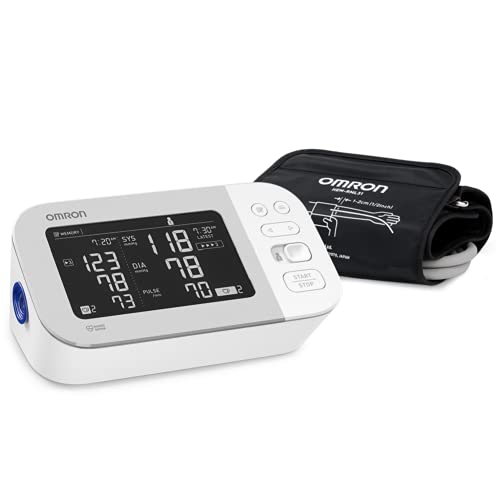
OMRON Platinum Blood Pressure Monitor, Upper Arm Cuff, Digital Bluetooth Blood Pressure Machine, Stores Up To 200 Readings for Two Users (100 readings each) : Everything Else
Buy OMRON Platinum Blood Pressure Monitor, Upper Arm Cuff, Digital Bluetooth Blood Pressure Machine, Stores Up To 200 Readings for Two Users (100 readings each) on Amazon.com ✓ FREE SHIPPING on qualif
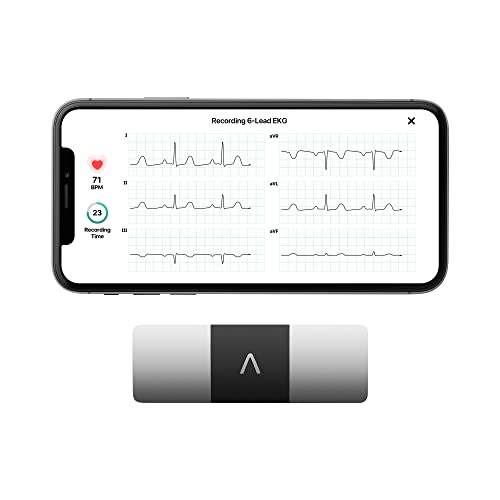
KardiaMobile 6-Lead Personal EKG Monitor – Six Views of ...
Stay on top of your health with heart rate monitors that provide accurate real-time data, seamless device integration, and long-lasting battery life.
Evidence & Sources
Supported by multiple clinical trials and systematic reviews
- U.S. National Library of Medicine / MedlinePlus
- StatPearls
- American Heart Association
- American College of Cardiology
- American Academy of Neurology
- National Institute for Health and Care Excellence (NICE)
- British National Formulary
- New England Journal of Medicine
- The Lancet
- NCCIH
This content is for informational purposes only and does not constitute medical advice. Always consult a qualified healthcare provider before starting, stopping, or changing any supplement or medication regimen.