

Prednisone
Also known as: Deltasone, Cortisone, Prednisone
Overview
Prednisone is a synthetic corticosteroid medication widely used in conventional medicine to reduce inflammation and modulate immune activity. It is commonly prescribed for a broad range of conditions, including asthma exacerbations, severe allergic reactions, autoimmune disorders, skin conditions, inflammatory bowel disease, and certain rheumatologic diseases. After ingestion, prednisone is converted in the liver to prednisolone, the active form that exerts most of its biological effects.
Prednisone is significant because inflammation is a central feature of many acute and chronic illnesses. In situations where the immune response becomes excessive or misdirected, corticosteroids can rapidly suppress inflammatory pathways and help stabilize symptoms. This explains its widespread use in both emergency settings and longer-term disease management. In some cases, prednisone is also used as part of treatment protocols in oncology, nephrology, and transplant medicine.
At the same time, prednisone is not a benign anti-inflammatory agent. Its effects reach multiple organ systems, which is why medical literature often emphasizes the balance between short-term benefit and potential adverse effects, especially when used at higher doses or for extended periods. Commonly discussed side effects include elevated blood sugar, fluid retention, mood changes, sleep disturbance, increased infection risk, bone loss, weight gain, and suppression of the body’s natural cortisol production.
Because of this broad impact, prednisone is best understood as a powerful tool rather than a simple symptom reliever. In educational and integrative health discussions, it is often presented as a medication that can be highly effective when medically indicated, while also requiring careful supervision, individualized risk assessment, and attention to the wider context of health, recovery, and supportive care.
Medical Perspectives
Two Ways of Seeing Health

Western
scientific · clinical
Western medicine applies science, technology, and clinical experience to treat symptoms through testing, diagnosis, and targeted intervention.

Eastern
traditional · alternative
Eastern medicine focuses on treating the body naturally by applying traditional knowledge practiced for thousands of years, emphasizing balance and whole-person wellness.
Gold Bamboo presents both perspectives side-by-side so you can make informed decisions. We don't advocate for one over the other — your health choices are yours.
Western Medicine Perspective
Western Medicine Perspective
From a conventional medical standpoint, prednisone is classified as a glucocorticoid. It works primarily by binding to intracellular glucocorticoid receptors and altering gene expression in ways that reduce production of inflammatory mediators such as cytokines, prostaglandins, and leukotrienes. This helps explain why it can be effective across many seemingly unrelated diseases: the medication targets shared inflammatory and immune pathways rather than a single organ system.
In clinical practice, prednisone is used in both short courses and longer regimens, depending on the condition being treated. Short-term use may be seen in acute asthma flares, severe dermatitis, or allergic reactions, while longer use may occur in conditions such as lupus, vasculitis, polymyalgia rheumatica, or inflammatory bowel disease. Physicians typically weigh disease severity against the risks of cumulative steroid exposure. Research and clinical guidelines consistently note that prolonged or repeated use is associated with important complications, including osteoporosis, adrenal suppression, hypertension, cataracts, metabolic effects, and vulnerability to infection.
Monitoring is a central part of conventional prednisone use. Depending on dose and duration, clinicians may follow parameters such as blood pressure, blood glucose, mood and sleep changes, bone health, signs of infection, and tapering response when the drug is reduced. In standard medical care, prednisone is generally viewed as highly effective for symptom control and disease suppression, but not as a medication to use casually. Its value is greatest when integrated into a broader plan that accounts for diagnosis, duration of therapy, coexisting conditions, and ongoing supervision by a qualified healthcare professional.
Eastern & Traditional Perspective
Eastern and Traditional Medicine Perspective
In Traditional Chinese Medicine (TCM), prednisone is not part of the classical materia medica, but the conditions for which it is used may be interpreted through patterns such as heat, toxin accumulation, dampness, phlegm, or deficiency underlying recurrent inflammation. A TCM practitioner may frame severe allergic or inflammatory states in terms of excess reactions superimposed on an underlying imbalance. The traditional goal is not to mimic corticosteroid pharmacology, but to understand why the body is manifesting recurrent inflammatory symptoms and how constitutional support might fit into a broader care model.
In Ayurveda, inflammatory and autoimmune presentations are often discussed through the lens of aggravated pitta, disturbed agni (digestive/metabolic fire), and the accumulation of ama in certain conditions. From this perspective, the emphasis is often on restoring systemic balance, digestive resilience, and tissue-level harmony rather than simply suppressing symptoms. Similarly, naturopathic and other traditional systems may emphasize the terrain in which inflammation arises, including stress burden, digestive function, sleep disruption, and overall vitality.
Integrative practitioners commonly acknowledge that prednisone can be necessary and even lifesaving in some acute situations, while traditional systems may be explored for supportive, adjunctive care aimed at overall well-being, recovery, and reduction of symptom burden. However, traditional approaches are generally not regarded as direct substitutes for medically necessary corticosteroid therapy in serious inflammatory disease. Because prednisone affects immune and endocrine function, any combination with herbs, supplements, or traditional therapies is best discussed with qualified healthcare providers familiar with both conventional and traditional frameworks.
Supplements & Products
Recommended Products
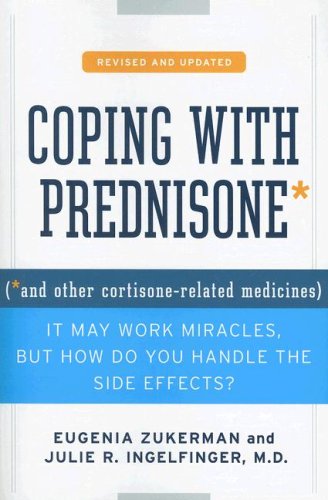
Coping With Prednisone and Other Cortisone-Related Medicines : It May Work Miracles, but How Do You Handle the Side Effects?: Zukerman, Eugenia, Ingelfinger, Julie R.
Coping With Prednisone and Other Cortisone-Related Medicines : <strong>It May Work Miracles, but How Do You Handle the Side Effects?</strong> [Zukerman, Eugenia, Ingelfinger, Julie R.] on Amazon.com.

Thorne Basic Bone Nutrients - Calcium, Magnesium, Vitamin D, and Vitamin K - 120 Capsules
... "One Capsule Contains:|<strong>Vitamin D (as Vitamin D3) (500 IU)|12.5 mcg|Vitamin K (as K2 (MK7))|45 mcg|Calcium (as DimaCal�|DiCalcium Malate|)�|200 mg|Magnesium (as Albion� DiMagnesium Mal

Ezy Dose Weekly (7-Day) AM/PM Pill Organizer, Vitamin and Medicine Box, Small Pop-out Compartments, 2 Times a Day, Blue and Purple Lids
The main features of the 7-Day ... any missed doses Large Compartments - <strong>Each compartment can fit 30 aspirin tablets and has plenty of room for all of your daily medications</strong>....
Evidence & Sources
Supported by multiple clinical trials and systematic reviews
- StatPearls
- National Institute of Diabetes and Digestive and Kidney Diseases (LiverTox)
- MedlinePlus
- NHS
- American College of Rheumatology
- Global Initiative for Asthma (GINA)
- The New England Journal of Medicine
- BMJ
This content is for informational purposes only and does not constitute medical advice. Always consult a qualified healthcare provider before starting, stopping, or changing any supplement or medication regimen.