

Polyethylene Glycol
Also known as: PEG 3350, MiraLAX, Miralax
Overview
Polyethylene glycol (PEG) is a synthetic, water-soluble compound widely used in medicine, most commonly as an osmotic laxative for occasional constipation and for bowel preparation before certain procedures. In gastrointestinal care, the term often refers to formulations such as PEG 3350, which works by drawing water into the stool, helping soften bowel movements and increase stool frequency. Because constipation is common across age groups—particularly among older adults, children, people with low-fiber diets, and those taking constipating medications—PEG has become one of the most frequently discussed non-stimulant laxative options in conventional care.
From a public health perspective, constipation is not only uncomfortable but can affect quality of life, appetite, sleep, mood, and pelvic floor function. People often search for information about PEG alongside broader questions about natural bowel support, including dietary fiber, fluid intake, physical activity, magnesium, probiotics, and digestive routine. This makes PEG an important topic at the intersection of mainstream symptom management and integrative digestive health. While PEG is considered a medication rather than an herbal or traditional remedy, it is often compared with gentler lifestyle-based approaches because it is generally not absorbed in significant amounts and acts locally within the intestine.
Research suggests PEG is among the better-studied laxative agents for short-term and, in some contexts, longer-term management of constipation. Studies indicate it can improve stool frequency and consistency in both adults and children, and many clinical guidelines include it as a commonly used option for chronic idiopathic constipation. At the same time, constipation is a symptom with many possible contributors—including medications, neurologic conditions, metabolic disorders, inadequate dietary intake, gut motility changes, and pelvic floor dysfunction—so a broader assessment is often important when symptoms persist or are accompanied by warning signs.
Although PEG is effective for many people, it does not address all root causes of bowel dysfunction. Integrative and traditional health frameworks often place greater emphasis on dietary patterns, hydration status, stress, digestive resilience, and whole-body balance. For that reason, PEG is frequently discussed not as a complete answer but as one tool within a larger conversation about bowel regularity, gut comfort, and the relationship between elimination, lifestyle, and overall health. Any ongoing constipation, severe abdominal symptoms, or changes in bowel habits warrant evaluation by a qualified healthcare professional.
Medical Perspectives
Two Ways of Seeing Health

Western
scientific · clinical
Western medicine applies science, technology, and clinical experience to treat symptoms through testing, diagnosis, and targeted intervention.

Eastern
traditional · alternative
Eastern medicine focuses on treating the body naturally by applying traditional knowledge practiced for thousands of years, emphasizing balance and whole-person wellness.
Gold Bamboo presents both perspectives side-by-side so you can make informed decisions. We don't advocate for one over the other — your health choices are yours.
Western Medicine Perspective
Western Medicine Perspective
In conventional medicine, polyethylene glycol is understood primarily as an osmotic agent. It remains in the intestinal lumen and helps retain water in the stool, which can make stools softer and easier to pass. This mechanism differs from stimulant laxatives, which act more directly on intestinal motility. Because PEG generally has limited systemic absorption and a relatively predictable effect, it is commonly used in adults and children for occasional constipation, chronic idiopathic constipation, and bowel cleansing before colonoscopy or other procedures.
Clinical research and guideline reviews suggest PEG has a favorable evidence base compared with many over-the-counter constipation therapies. Studies indicate it can increase the number of weekly bowel movements, reduce straining, and improve stool consistency. In pediatric constipation, PEG is frequently referenced in gastroenterology guidelines for both fecal disimpaction protocols and maintenance therapy under medical supervision. Conventional clinicians also consider practical factors such as tolerability, dose-response, electrolyte considerations in specific formulations, and whether constipation may be secondary to medications such as opioids, iron, anticholinergics, or calcium channel blockers.
From a diagnostic standpoint, western medicine emphasizes that constipation is a symptom, not a single disease. Evaluation may consider diet, medication use, endocrine and metabolic issues, pelvic floor dysfunction, irritable bowel syndrome, and structural or neurologic causes. Alarm features—such as rectal bleeding, unexplained weight loss, anemia, sudden onset in an older adult, or severe persistent pain—typically prompt more thorough medical assessment. Within this framework, PEG is seen as a symptom-relief tool that may be useful, but not a substitute for identifying underlying contributors when constipation is recurrent or complicated.
Conventional care also often incorporates non-pharmacologic strategies, including fiber intake, hydration, exercise, toileting habits, and review of constipating medications. This overlap with lifestyle medicine helps explain why PEG is often discussed by people exploring both standard and natural approaches to bowel support.
Eastern & Traditional Perspective
Eastern/Traditional Medicine Perspective
In Traditional Chinese Medicine (TCM), constipation is not classified according to a chemical mechanism such as osmotic water retention. Instead, it is interpreted through patterns such as intestinal dryness, heat accumulation, qi stagnation, blood deficiency, or yang deficiency, depending on the person’s overall presentation. From this perspective, a substance like polyethylene glycol may be viewed as providing a functional, symptomatic effect—helping moisten and move the bowels—without necessarily correcting the deeper pattern imbalance believed to underlie recurrent symptoms. TCM approaches traditionally emphasize individualized assessment, including digestion, stress, sleep, energy, tongue, and pulse findings.
In Ayurveda, constipation is often associated with imbalance in Vata dosha, particularly dryness, irregularity, and impaired downward movement of elimination. Traditional care may focus on restoring digestive rhythm and lubrication through food choices, daily routine, hydration, and botanical preparations selected according to the individual constitution and symptom pattern. Within this lens, PEG would generally be considered a modern symptomatic aid rather than a classical therapy, because it does not arise from traditional materia medica or address constitutional imbalance in Ayurvedic terms.
In broader naturopathic and integrative traditions, constipation is often framed as a sign to assess fiber intake, fluid balance, magnesium status, movement, stress load, microbiome health, medication burden, and pelvic floor function. PEG may be regarded as useful for short-term support or when bowel movements have become difficult and dry, but traditional systems tend to place stronger emphasis on restoring digestive ecology and regularity over time. Research on these holistic approaches is mixed and highly variable by intervention, and many traditional practices remain guided more by historical use and practitioner experience than by large randomized trials.
Across eastern and traditional systems, the common theme is that bowel regularity reflects broader physiologic balance. As a result, PEG may be acknowledged as effective for facilitating stool passage, while ongoing constipation is more often interpreted as a signal for a more individualized, whole-person evaluation by an appropriately qualified healthcare practitioner.
Supplements & Products
Recommended Products

Fiber Fueled: The Plant-Based Gut Health Program for Losing Weight, Restoring Your Health, andOptimizing Your Microbiome: Bulsiewicz MD, Will
With <strong>over 70 plant-fueled recipes, detailed shopping lists, and key lifestyle changes that will help you heal your gut without even lifting a fork</strong>, Fiber Fueled will allow you to thri

MiraLAX Laxative Powder, Gentle Constipation Relief for Adults, Stool Softener with PEG 3350, Nonstimulant Laxative, No Harsh Side Effects, Osmotic Laxative, 45 Dose
MiraLAX Gentle Constipation Relief Laxative Powder, Stool Softener with PEG 3350, No Harsh Side Effects, 1 Doctor & OBGYN Recommended, Single Dose Mix-in Pax, Travel Pack, 24 Dose
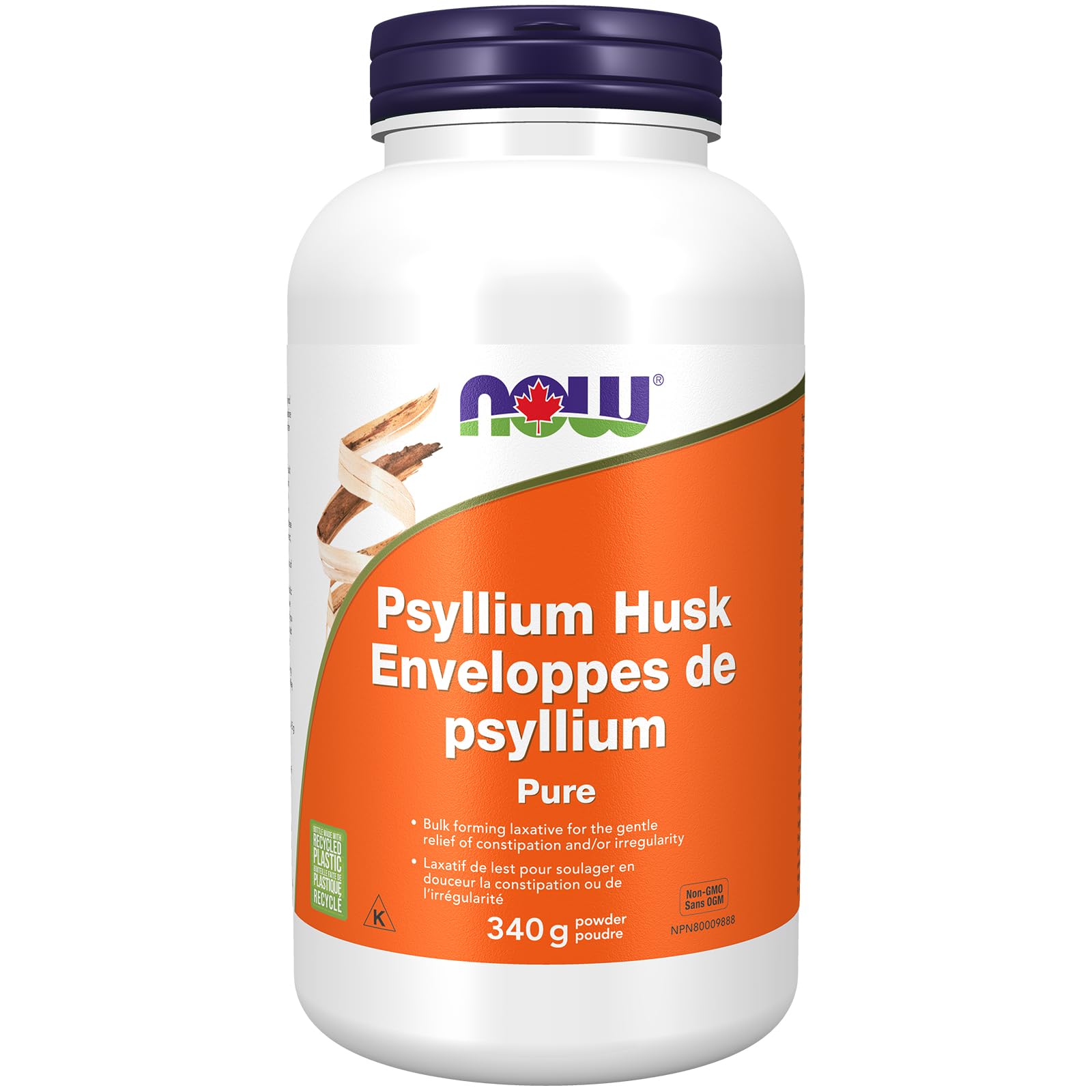
NOW Foods Supplements, Psyllium Husk Powder, Non-GMO Project Verified, Soluble Fiber, 12-Ounce
Amazon.com: NOW Foods Supplements, Psyllium Husk Powder, Non-GMO Project Verified, Soluble Fiber, 12-Ounce
Evidence & Sources
Supported by multiple clinical trials and systematic reviews
- American College of Gastroenterology Clinical Guidelines
- American Gastroenterological Association
- North American Society for Pediatric Gastroenterology, Hepatology and Nutrition (NASPGHAN)
- National Institute of Diabetes and Digestive and Kidney Diseases (NIDDK)
- National Center for Complementary and Integrative Health (NCCIH)
- Cochrane Database of Systematic Reviews
- Gut
- The American Journal of Gastroenterology
This content is for informational purposes only and does not constitute medical advice. Always consult a qualified healthcare provider before starting, stopping, or changing any supplement or medication regimen.