

Plavix
Also known as: Clopidogrel, Blood thinner, Plavix
Overview
Plavix is the brand name for clopidogrel, a prescription antiplatelet medication used to reduce the risk of harmful blood clots. It works by helping prevent platelets—small blood cells involved in clotting—from sticking together. In conventional care, clopidogrel is widely used in people with a history of heart attack, ischemic stroke, peripheral artery disease, or after certain cardiovascular procedures such as coronary stent placement. Because abnormal clot formation can block blood flow to the heart, brain, or limbs, medicines that reduce platelet activity play a major role in modern cardiovascular prevention.
Clopidogrel belongs to a class of drugs called P2Y12 receptor inhibitors. It is often discussed alongside aspirin because the two are sometimes used together in dual antiplatelet therapy (DAPT), particularly after acute coronary syndromes or stent implantation. At the same time, its clot-preventing effect must be balanced against the possibility of bleeding, which is the best-known safety concern associated with this medication. The benefits and risks can vary depending on a person’s age, medical history, procedure history, bleeding risk, and other medications.
Another important aspect of Plavix is that it is a prodrug, meaning the body must convert it into its active form. This conversion depends in part on liver enzymes, especially CYP2C19. Genetic differences, certain medications, and liver function can influence how effectively clopidogrel works. For that reason, the medication is often discussed in the context of drug interactions, variable response, and in some cases pharmacogenomics. Research over the past two decades has helped clarify where clopidogrel remains a foundational therapy and where newer antiplatelet agents may sometimes be considered.
From a broader health perspective, Plavix represents an example of a medication that does not directly dissolve an existing clot but instead helps lower the chance of future clot-related events. This distinction is clinically important. It is generally part of a larger cardiovascular strategy that may include management of blood pressure, cholesterol, diabetes, smoking exposure, diet, and physical activity, under the supervision of qualified healthcare professionals. Anyone taking or considering antiplatelet therapy typically benefits from individualized medical review, particularly before surgery, dental procedures, or adding supplements or herbal products that may also affect bleeding.
Medical Perspectives
Two Ways of Seeing Health

Western
scientific · clinical
Western medicine applies science, technology, and clinical experience to treat symptoms through testing, diagnosis, and targeted intervention.

Eastern
traditional · alternative
Eastern medicine focuses on treating the body naturally by applying traditional knowledge practiced for thousands of years, emphasizing balance and whole-person wellness.
Gold Bamboo presents both perspectives side-by-side so you can make informed decisions. We don't advocate for one over the other — your health choices are yours.
Western Medicine Perspective
Western / Conventional Medicine Perspective
In conventional medicine, clopidogrel is understood as an antiplatelet agent that selectively inhibits platelet activation by blocking the ADP P2Y12 receptor. By reducing platelet aggregation, it lowers the risk of arterial thrombotic events such as myocardial infarction, ischemic stroke, and stent thrombosis. Major cardiology and stroke guidelines include clopidogrel as an established option in several settings, including secondary prevention of atherosclerotic cardiovascular disease and in combination with aspirin for specific high-risk periods after acute coronary syndrome or percutaneous coronary intervention.
The evidence base for clopidogrel is substantial. Large trials such as CAPRIE demonstrated benefit over aspirin in certain patients at risk for ischemic events, while studies including CURE supported its use with aspirin in acute coronary syndromes. Subsequent guideline development has refined when clopidogrel is used alone, when it is paired with aspirin, and when newer P2Y12 inhibitors may be preferred. Conventional care also emphasizes that antiplatelet therapy is not interchangeable with anticoagulation; these are different drug categories with different mechanisms and indications.
From a safety standpoint, the principal concern is bleeding, ranging from easy bruising or nosebleeds to gastrointestinal or, more rarely, serious internal bleeding. Conventional medicine also recognizes the issue of variable antiplatelet response, partly influenced by CYP2C19 genetic variants and potential interactions with some other medications. Regulatory agencies and professional societies have discussed genetic testing in selected contexts, particularly when treatment failure would carry high consequences. Because clopidogrel management can be complex around surgery, invasive procedures, ulcers, and combination therapy, clinical decision-making generally involves individualized risk assessment by licensed healthcare providers.
Eastern & Traditional Perspective
Eastern / Traditional Medicine Perspective
In Traditional Chinese Medicine (TCM) and related East Asian systems, a medication like Plavix is not traditionally described in biochemical terms such as platelet inhibition. Instead, symptoms and cardiovascular conditions associated with clotting risk may be interpreted through pattern-based concepts such as blood stasis, impaired circulation, qi stagnation, or obstruction of the vessels. Traditional practitioners have historically used herbal formulas, acupuncture, dietary approaches, and movement practices to support circulation and systemic balance. In this framework, clot-related disorders are often understood less as a single disease entity and more as the result of an underlying pattern of imbalance.
In Ayurveda, comparable cardiovascular phenomena may be discussed in terms of disturbed doshas, impaired tissue nourishment, and obstruction in bodily channels, sometimes conceptualized through ideas related to circulation, inflammation, and metabolic imbalance. Herbal traditions in Ayurveda and naturopathy have long included botanicals that are traditionally associated with supporting vascular health. However, these systems also generally emphasize constitutional assessment, digestion, lifestyle rhythms, and whole-person context rather than focusing only on one laboratory or pharmacologic target.
An important modern consideration is that many herbs and supplements used in traditional or integrative settings—such as ginkgo, garlic, ginger, turmeric/curcumin, dong quai, and others—have been studied for potential effects on platelet activity or bleeding risk. While research in this area is mixed and often limited, integrative clinicians commonly note that combining such products with antiplatelet medications may warrant careful review. As a result, traditional medicine perspectives can coexist with conventional treatment, but the interaction potential highlights the importance of coordination with qualified healthcare professionals, especially for patients taking prescription antiplatelet drugs.
Overall, Eastern and traditional systems may frame the person’s cardiovascular vulnerability in a broader context of circulation, resilience, inflammation, diet, stress, and constitution. These traditions offer long-standing conceptual models and supportive practices, but they do not replace the well-established role of clopidogrel in evidence-based cardiovascular care where it has been prescribed for medically recognized indications.
Supplements & Products
Recommended Products
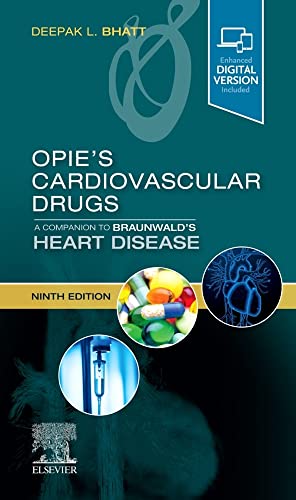
Opie's Cardiovascular Drugs: A Companion to Braunwald's Heart Disease: Expert Consult - Online and Print: Bhatt MD MPH FACC FAHA FESC MSCAI, Deepak L.
"All-in-all Opie’s Cardiovascular Drugs: A Companion to Braunwald’s Heart Disease Ninth Edition superbly edited by Dr Deepak L Bhatt remains true to its original vision and will continue to be a

EZY DOSE Push Button (7-Day) Pill Case, Medicine Planner, Daily Vitamin Organizer, 2 Times a Day AM/PM, X-Large Compartments, Arthritis Friendly, Easy to use, Clear Lids, Purple and Blue, BPA Free
Designed for ease, visibility, ... your medications, supplements, or vitamins twice a day with <strong>two clearly marked compartments (AM/PM) for each day of the week</strong>....

Surgical Steel Medical Alert Bracelet for Blood THINNER ID 9/16 inch Wide, 9 inch Long
Hypoallergenic Stainless Steel · See more About this item · Report an issue with this product or seller · See product specifications · This item: Surgical Steel Medical Alert Bracelet for Blood THINNE
Evidence & Sources
Supported by multiple clinical trials and systematic reviews
- New England Journal of Medicine (CAPRIE, CURE trials)
- Circulation
- Journal of the American College of Cardiology
- American Heart Association / American College of Cardiology Guidelines
- U.S. Food and Drug Administration (Plavix/clopidogrel labeling and pharmacogenomics communications)
- Clinical Pharmacogenetics Implementation Consortium (CPIC)
- National Institutes of Health (MedlinePlus)
- NCCIH (National Center for Complementary and Integrative Health)
This content is for informational purposes only and does not constitute medical advice. Always consult a qualified healthcare provider before starting, stopping, or changing any supplement or medication regimen.