

Pantoprazole
Also known as: Protonix, pantaprazole
Pantoprazole Overview
Pantoprazole is a proton pump inhibitor (PPI), a class of medications used to reduce the production of stomach acid. It is commonly used in the management of gastroesophageal reflux disease (GERD), erosive esophagitis, peptic ulcer disease, and other acid-related disorders. By blocking the gastric proton pump in the stomach lining, pantoprazole can decrease acid exposure in the esophagus and upper digestive tract, which may help reduce symptoms such as heartburn, regurgitation, and pain related to acid irritation.
Pantoprazole is widely prescribed and also frequently discussed by people exploring integrative, herbal, dietary, and functional medicine perspectives on reflux and indigestion. This interest often arises because reflux symptoms may be influenced by multiple factors beyond acid alone, including meal patterns, body weight, hiatal hernia, medication effects, gastric motility, stress, and dietary triggers. In this context, pantoprazole is often viewed as one part of a broader symptom-management strategy rather than the only lens through which upper digestive symptoms are understood.
From a public health standpoint, PPIs have been extensively used for decades and are among the most recognized medications for upper gastrointestinal conditions. Research suggests they are effective for many acid-mediated conditions, especially where healing of inflamed tissue is a clinical goal. At the same time, long-term use has drawn significant attention in both medical literature and consumer health discussions because observational studies have explored associations with outcomes such as nutrient malabsorption, infections, kidney concerns, bone fracture risk, and changes in the gut microbiome. These associations do not necessarily establish causation, but they have shaped ongoing conversations about appropriate use, duration, and deprescribing when clinically appropriate.
For individuals interested in complementary health, pantoprazole often sits at the intersection of symptom control and root-cause inquiry. Conventional medicine typically focuses on acid suppression for clearly defined indications, while traditional systems may frame heartburn, sour regurgitation, or epigastric discomfort in terms of digestive imbalance, constitutional patterns, food energetics, or stress-related disruption. A balanced understanding recognizes that pantoprazole has a well-established role in modern gastroenterology, while also acknowledging that lifestyle, dietary, and traditional approaches are commonly explored as part of broader digestive health conversations. Any questions about starting, stopping, or combining approaches are best discussed with a qualified healthcare professional.
Medical Perspectives
Two Ways of Seeing Health

Western
scientific · clinical
Western medicine applies science, technology, and clinical experience to treat symptoms through testing, diagnosis, and targeted intervention.

Eastern
traditional · alternative
Eastern medicine focuses on treating the body naturally by applying traditional knowledge practiced for thousands of years, emphasizing balance and whole-person wellness.
Gold Bamboo presents both perspectives side-by-side so you can make informed decisions. We don't advocate for one over the other — your health choices are yours.
Western Medicine Perspective
Western Medicine Perspective
In conventional medicine, pantoprazole is understood as an acid-suppressing medication that irreversibly inhibits the H+/K+ ATPase proton pump in gastric parietal cells. This lowers gastric acid secretion and is particularly useful in conditions where acid exposure contributes to symptoms or tissue injury. Clinical guidelines commonly include PPIs such as pantoprazole in the management of GERD, erosive esophagitis, nonsteroidal anti-inflammatory drug (NSAID)-associated ulcer prevention in selected patients, peptic ulcer disease, and hypersecretory conditions such as Zollinger-Ellison syndrome. Pantoprazole may also be used in combination regimens for Helicobacter pylori eradication, depending on the treatment plan.
Studies indicate that PPIs are generally more effective than H2-receptor antagonists for healing erosive esophagitis and for stronger acid suppression. Conventional care also emphasizes that not all upper GI symptoms are caused by excess acid. Heartburn-like symptoms may overlap with functional dyspepsia, biliary issues, esophageal motility disorders, eosinophilic esophagitis, cardiac causes, medication side effects, or non-acid reflux, so diagnosis matters. Alarm features such as difficulty swallowing, GI bleeding, anemia, persistent vomiting, unexplained weight loss, or new symptoms later in life are typically evaluated more closely by clinicians.
A major focus in modern prescribing is the distinction between appropriate short-term use and unnecessary long-term continuation. Medical literature has examined possible links between chronic PPI use and adverse outcomes including Clostridioides difficile infection, pneumonia, hypomagnesemia, vitamin B12 deficiency, iron absorption changes, osteoporosis-related fracture risk, acute interstitial nephritis, chronic kidney disease associations, and rebound acid hypersecretion after discontinuation. Many of these concerns come from observational data and vary in strength; however, they have influenced guideline discussions around using the lowest effective duration for the clearest indication, with clinician supervision.
From an integrative clinical standpoint, western medicine increasingly acknowledges that reflux symptoms may be shaped by dietary pattern, obesity, smoking, alcohol intake, sleep position, meal timing, and certain medications. Functional and lifestyle-oriented practitioners may also explore contributing factors such as microbiome changes, food tolerance patterns, and autonomic stress responses, though evidence quality varies across these areas. Even within conventional care, pantoprazole is often considered one component of a broader digestive health evaluation rather than a standalone answer for every case of heartburn.
Eastern & Traditional Perspective
Eastern and Traditional Medicine Perspective
Traditional medical systems generally do not describe pantoprazole itself as a therapeutic concept, but they do address the symptom patterns for which it is commonly used, such as heartburn, sour regurgitation, epigastric burning, belching, and digestive discomfort. In Traditional Chinese Medicine (TCM), these symptoms may be interpreted through patterns such as Liver qi attacking the Stomach, Stomach heat, food stagnation, or disharmony between the Stomach and Spleen. The emphasis is often less on acid as a chemical phenomenon and more on the direction, quality, and balance of digestive function. Emotional stress, irregular eating, rich foods, and constitutional weakness may all be considered relevant contributors.
In Ayurveda, reflux-like symptoms are commonly discussed in relation to aggravated Pitta dosha, particularly when there is burning, sourness, irritability, and heat. Depending on the broader pattern, impaired Agni (digestive fire) and accumulation of Ama (metabolic residue) may also be considered. Traditional Ayurvedic interpretation often places strong weight on food qualities, daily routine, timing of meals, emotional states, and an individual's constitution. Herbs, demulcent foods, spice modification, and mind-body regulation practices have traditionally been used in these frameworks, though their suitability depends on the specific pattern being assessed.
In naturopathy and broader traditional herbal practice, reflux and upper GI irritation are often approached through the lens of mucosal integrity, motility, meal hygiene, trigger identification, nervous system regulation, and digestive resilience. Botanicals such as licorice preparations, slippery elm, marshmallow, chamomile, and other soothing herbs are commonly discussed in traditional and integrative settings, but research quality is mixed and herb-drug interaction considerations are important. These systems may also explore whether symptom suppression alone masks a larger pattern involving stress, inflammation, or dietary mismatch.
A balanced traditional perspective generally recognizes that a medication like pantoprazole may play an important role when symptom relief or tissue healing is needed, while also maintaining that digestion is influenced by whole-person factors such as rhythm, stress, constitution, and food compatibility. Because reflux symptoms can sometimes reflect serious conditions or require diagnostic workup, traditional practitioners commonly work alongside conventional evaluation, especially when symptoms are persistent, severe, or changing.
Supplements & Products
Recommended Products
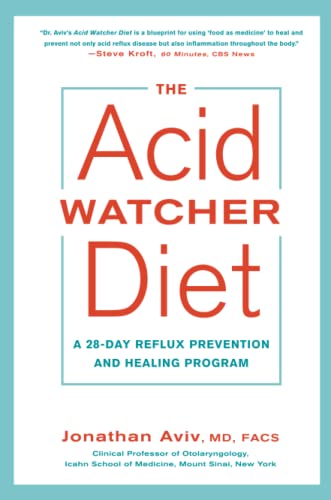
The Acid Watcher Diet: A 28-Day Reflux Prevention and Healing Program: Aviv MD FACS, Jonathan
Jonathan Aviv, <strong>a leading authority on the diagnosis and treatment of acid reflux disease</strong>, helps readers identify those often misunderstood symptoms while providing a proven solution f

Nature's Way DGL ULTRA 10:1 Extra Strength, 75 mg per serving, German Chocolate Flavored, 90 Chewables, Pack of 2 (Packaging May Vary)
Buy Nature's Way DGL ULTRA 10:1 Extra Strength, 75 mg per serving, German Chocolate Flavored, 90 Chewables, Pack of 2 (Packaging May Vary) on Amazon.com ✓ FREE SHIPPING on qualified orders

REFLUX GOURMET Natural Heartburn Acid Reflux Relief Support Supplement for GERD, LPR, Indigestion, Aid for Intermittent Fasting, Alginate Therapy, Made in The USA, Vanilla Caramel
<strong>This raft blocks off the esophagus, physically preventing the reflux of stomach contents into the esophagus</strong>. 100% ALL-NATURAL AND GLYCERIN-FREE - The only alginate therapy made with 1
Evidence & Sources
Supported by multiple clinical trials and systematic reviews
- American College of Gastroenterology Guidelines
- American Gastroenterological Association
- U.S. Food and Drug Administration (FDA)
- National Institute of Diabetes and Digestive and Kidney Diseases (NIDDK)
- National Center for Complementary and Integrative Health (NCCIH)
- The New England Journal of Medicine
- JAMA
- Gastroenterology
- The American Journal of Gastroenterology
This content is for informational purposes only and does not constitute medical advice. Always consult a qualified healthcare provider before starting, stopping, or changing any supplement or medication regimen.