

Oxycodone
Also known as: OxyContin, Percocet, oxycotin
Overview
Oxycodone is a prescription opioid analgesic used to manage moderate to severe pain, including pain after surgery or injury and, in some cases, pain associated with cancer or long-term painful conditions. It works by binding to opioid receptors in the brain and spinal cord, changing how pain signals are perceived. Oxycodone is available in immediate-release and extended-release formulations, and it may be prescribed alone or combined with non-opioid ingredients such as acetaminophen. Because it can produce both pain relief and euphoria, it carries significant risks of tolerance, physical dependence, misuse, overdose, and opioid use disorder.
Oxycodone has played a prominent role in the broader opioid crisis, particularly in North America, where prescription opioid exposure has been closely linked to rising rates of misuse and overdose. At the same time, it remains an important medication in selected clinical settings, especially when severe pain has not responded adequately to other therapies. This tension makes oxycodone a highly searched topic among people seeking to understand not only its medical role, but also the risks associated with long-term use and the range of supportive strategies that may help reduce overall pain burden.
From a public health perspective, oxycodone sits at the intersection of pain management, addiction medicine, surgery, palliative care, and integrative health. Conventional care focuses on careful prescribing, dose monitoring, side-effect management, and risk mitigation. Integrative and complementary approaches are often explored as part of a multimodal pain management framework, particularly for people interested in reducing reliance on opioids over time under medical supervision. These approaches may include physical rehabilitation, behavioral therapies, mindfulness-based methods, acupuncture, and other supportive modalities, though evidence quality varies by condition and intervention.
A balanced discussion of oxycodone requires acknowledging two realities: opioids can be medically valuable for severe pain, and their harms can be substantial, especially with prolonged use or use outside closely monitored care. Any questions about starting, tapering, combining, or discontinuing oxycodone are best addressed with a qualified healthcare professional, since abrupt changes can be medically and psychologically risky.
Medical Perspectives
Two Ways of Seeing Health

Western
scientific · clinical
Western medicine applies science, technology, and clinical experience to treat symptoms through testing, diagnosis, and targeted intervention.

Eastern
traditional · alternative
Eastern medicine focuses on treating the body naturally by applying traditional knowledge practiced for thousands of years, emphasizing balance and whole-person wellness.
Gold Bamboo presents both perspectives side-by-side so you can make informed decisions. We don't advocate for one over the other — your health choices are yours.
Western Medicine Perspective
Western Medicine Perspective
In conventional medicine, oxycodone is classified as a semi-synthetic opioid indicated for pain that is severe enough to require an opioid when other options are inadequate or inappropriate. Clinicians generally evaluate pain type, duration, functional impact, prior treatments, and individual risk factors before prescribing it. Current practice guidelines emphasize using opioids more cautiously than in past decades, especially for chronic non-cancer pain, because long-term benefit is often uncertain while risks—including constipation, sedation, falls, endocrine effects, respiratory depression, and opioid use disorder—are well documented.
Western medicine increasingly approaches pain through a multimodal model. This may include non-opioid medications, physical therapy, interventional procedures, psychological support, and condition-specific rehabilitation, with opioids used selectively rather than as a default long-term strategy. Research suggests that for many chronic pain conditions, opioids may provide limited improvement in function over time compared with their risk profile. For acute pain, cancer pain, and some palliative contexts, oxycodone may still have an established role when monitored carefully.
Conventional care also pays close attention to safety and dependence. Tolerance can develop, meaning higher doses may be needed to achieve the same effect, while physical dependence can lead to withdrawal symptoms if the drug is reduced too quickly. These issues are distinct from addiction, though they can overlap. Screening for substance use risk, reviewing medication interactions, and considering naloxone access are part of modern opioid stewardship. Patients exploring complementary pain-relief methods often do so within this broader goal of improving function and reducing overall exposure to high-risk medications in partnership with their care team.
Eastern & Traditional Perspective
Eastern and Traditional Medicine Perspective
Traditional and integrative systems generally do not view oxycodone as a healing therapy in itself, but rather as a powerful symptom-suppressing substance that may be necessary in certain circumstances while underlying imbalance is addressed through broader care. In Traditional Chinese Medicine (TCM), pain is often understood in terms of stagnation of qi and blood, invasion of cold or dampness, or dysfunction affecting organ systems such as the Liver and Kidney. TCM approaches commonly aim to restore circulation and balance using modalities such as acupuncture, moxibustion, herbal medicine, bodywork, and qigong, depending on the pattern identified.
In Ayurveda, chronic pain may be framed largely through vata imbalance, especially when pain is variable, dry, tense, or associated with nervous system dysregulation. Traditional Ayurvedic strategies may include individualized dietary patterns, herbal preparations, oil therapies, manual treatments, breathing practices, and routines intended to stabilize the nervous system and support resilience. Naturopathic and other holistic traditions similarly tend to emphasize inflammation, stress physiology, sleep, digestion, movement, and emotional well-being as interconnected contributors to pain experience.
Research into complementary modalities for pain management is active but mixed. Studies indicate that acupuncture, mindfulness-based interventions, yoga, and some manual therapies may help certain pain conditions and may contribute to reduced pain severity or improved coping in some patients. However, evidence is generally stronger for specific modalities in specific conditions than for broad claims about reducing opioid use. Traditional systems place strong emphasis on individualization, which can be valuable clinically but also makes standardization and research more challenging. Anyone considering integrative approaches alongside oxycodone use would typically need coordinated oversight from qualified healthcare professionals because herb-drug interactions, sedation overlap, and changes in pain control can all be relevant.
Supplements & Products
Recommended Products
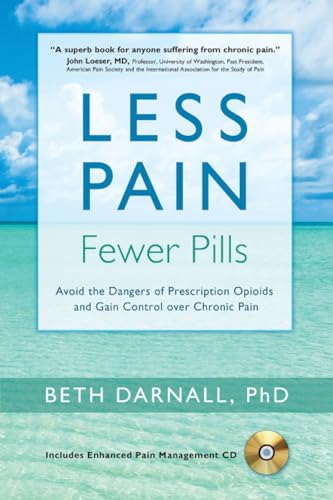
Less Pain, Fewer Pills: Avoid the Dangers of Prescription Opioids and Gain Control over Chronic Pain: Darnall PhD, Beth
Beth Darnall’s Less Pain, Fewer Pills <strong>offers readable and understandable advice to manage pain successfully while avoiding ineffective and harmful treatments, especially with opioids</strong>.
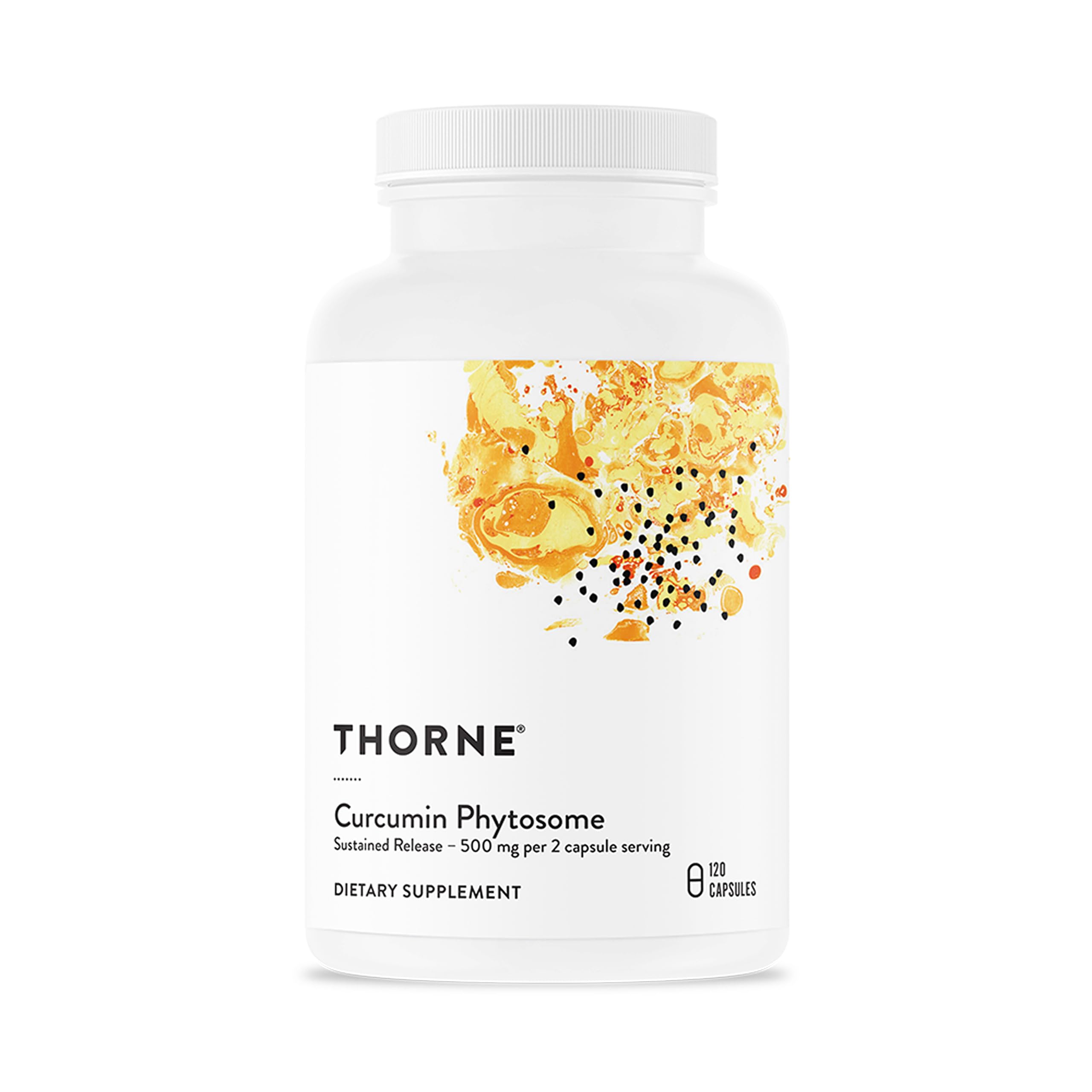
THORNE - Curcumin Phytosome 500 mg (Meriva) - Sustained Release, Clinically Studied - Supports Healthy Inflammatory Response in Joints, Muscles, GI Tract, Liver, Brain & Nerves* - 60 Servings
Buy THORNE - Curcumin Phytosome 500 mg (Meriva) - Sustained Release, Clinically Studied - <strong>Supports Healthy Inflammatory Response in Joints, Muscles, GI Tract, Liver, Brain & Nerves</strong

OMRON Pocket Pain Pro TENS Unit Muscle Stimulator - Massage Therapy for Lower Back, Arm, Foot, Shoulder, and Arthritis - Drug-Free Pain Relief
TENS TECHNOLOGY: OMRON Pocket Pain ... each with 10 power levels for targeted relief · PORTABLE & EASY TO USE: <strong>Compact, lightweight, and discreet</strong>; Perfect for on-the-go use; Deliv
Evidence & Sources
Promising research with growing clinical support from multiple studies
- Centers for Disease Control and Prevention (CDC) Clinical Practice Guideline for Prescribing Opioids for Pain
- National Institute on Drug Abuse (NIDA)
- U.S. Food and Drug Administration (FDA) opioid medication safety communications
- New England Journal of Medicine
- JAMA
- Cochrane Reviews
- National Center for Complementary and Integrative Health (NCCIH)
- World Health Organization (WHO) guidance on pain and controlled medicines
This content is for informational purposes only and does not constitute medical advice. Always consult a qualified healthcare provider before starting, stopping, or changing any supplement or medication regimen.