

Ondansetron
Also known as: Zofran, ondansetron
Overview
Ondansetron is a prescription antiemetic medication used to prevent or reduce nausea and vomiting. It is most commonly associated with chemotherapy-related nausea, postoperative nausea and vomiting, and nausea linked to certain illnesses or medical treatments. In many settings, it is considered a widely used conventional option because it can act relatively quickly and is available in multiple forms, including oral tablets, orally disintegrating tablets, and injectable preparations.
Pharmacologically, ondansetron is classified as a 5-HT3 (serotonin) receptor antagonist. It works by blocking serotonin signaling in parts of the gastrointestinal tract and central nervous system involved in the vomiting reflex. This mechanism made it an important advance in supportive care, particularly in cancer treatment and surgical recovery, where controlling nausea can improve comfort, hydration, and the ability to continue necessary therapies.
Public interest in ondansetron often overlaps with interest in natural nausea relief, including ginger, peppermint, acupressure, and traditional herbal approaches. This is especially common among people looking for non-drug support for motion sickness, mild digestive upset, pregnancy-related nausea, or treatment side effects. From an educational standpoint, it is useful to understand that ondansetron occupies a different category from these approaches: it is a regulated pharmaceutical with a specific receptor-targeted mechanism, while traditional or complementary therapies may act through broader digestive, neurologic, or mind-body pathways.
Like all medications, ondansetron has potential benefits and limitations. Research and clinical experience indicate it can be effective for many forms of nausea and vomiting, but its usefulness varies by cause, timing, and individual factors. It also has recognized safety considerations, including possible effects on heart rhythm in susceptible individuals and interactions with other medicines. Questions about appropriateness, side effects, and how it compares with complementary strategies are best addressed with a qualified healthcare professional who can consider the full clinical context.
Medical Perspectives
Two Ways of Seeing Health

Western
scientific · clinical
Western medicine applies science, technology, and clinical experience to treat symptoms through testing, diagnosis, and targeted intervention.

Eastern
traditional · alternative
Eastern medicine focuses on treating the body naturally by applying traditional knowledge practiced for thousands of years, emphasizing balance and whole-person wellness.
Gold Bamboo presents both perspectives side-by-side so you can make informed decisions. We don't advocate for one over the other — your health choices are yours.
Western Medicine Perspective
Western Medicine Perspective
In conventional medicine, ondansetron is understood as a targeted serotonin-blocking antiemetic. It is used in evidence-based protocols for preventing or treating nausea and vomiting associated with chemotherapy, radiation therapy, and surgery, and it is also used in other clinical contexts when nausea is severe enough to interfere with hydration, nutrition, or recovery. Its role is especially well established in supportive oncology care, where modern antiemetic regimens often combine multiple drug classes to address different nausea pathways.
Clinical research suggests ondansetron is particularly effective when serotonin release is a key driver of symptoms, such as in many cases of acute chemotherapy-induced nausea and vomiting and postoperative nausea and vomiting. However, conventional medicine also recognizes that not all nausea responds equally well to 5-HT3 blockade. For example, delayed nausea after chemotherapy, vestibular causes such as motion sickness, or nausea related to gastrointestinal dysmotility may involve additional mechanisms. As a result, treatment approaches in mainstream care often vary depending on the underlying cause rather than viewing nausea as a single uniform symptom.
From a safety perspective, major medical references note that ondansetron is generally well tolerated, but potential adverse effects can include headache, constipation, dizziness, and in some patients QT interval prolongation, a heart-rhythm concern that may be more relevant at higher doses or in people with existing risk factors. Conventional prescribing also considers age, liver function, electrolyte abnormalities, and concomitant medications. This is why medication review and clinician oversight remain important, particularly when ondansetron is being considered alongside other therapies, including supplements or herbal products.
Eastern & Traditional Perspective
Eastern and Traditional Medicine Perspective
In Traditional Chinese Medicine (TCM) and related East Asian systems, nausea and vomiting are not usually framed around a single receptor or pharmaceutical target. Instead, they are often understood as patterns such as rebellious stomach qi, disharmony between the stomach and spleen, accumulation of phlegm-dampness, food stagnation, or disruption triggered by emotional stress or external influences. From this perspective, the goal is not simply to suppress vomiting but to restore the proper downward movement and transformation functions of digestion.
Traditional approaches may include acupuncture, acupressure, moxibustion, dietary modification, and herbal formulas, selected according to the individual pattern. One of the most studied complementary approaches for nausea is stimulation of the P6/Neiguan acupoint, which has been investigated for postoperative nausea, pregnancy-related nausea, and treatment-related symptoms. Research suggests some benefit in certain populations, though study quality and consistency vary. Herbal traditions may also reference ingredients such as ginger for nausea, which has a long history of use across multiple medical systems.
In Ayurveda, nausea may be interpreted through disturbances in agni (digestive fire), ama (metabolic residue or toxic byproduct), or imbalances involving Pitta, Kapha, or Vata-related digestive disruption, depending on the presentation. Management in traditional systems is generally individualized and may emphasize digestive settling, sensory regulation, and constitutional balance rather than the isolated suppression of symptoms. Naturopathic frameworks similarly often focus on the context of nausea—digestive irritation, stress, infection, medication side effects, or pregnancy—and may discuss lifestyle, botanical, and mind-body supports.
From an integrative standpoint, ondansetron and traditional therapies are often viewed as serving different but sometimes complementary roles. Conventional medicine may offer faster symptom suppression in acute or treatment-related settings, while traditional systems may emphasize broader regulation of digestion and symptom patterns. Because nausea can signal serious illness, dehydration, medication complications, or pregnancy-related concerns, integrative use is best discussed with appropriately trained healthcare professionals.
Supplements & Products
Recommended Products
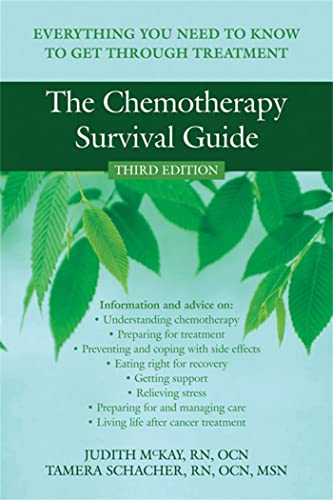
The Chemotherapy Survival Guide: Everything You Need to Know to Get Through Treatment: McKay, Judith, Schacher RN OCN MSN, Tammy
The Chemotherapy Survival Guide: Everything You Need to Know to Get Through Treatment [McKay, Judith, Schacher RN OCN MSN, Tammy] on Amazon.com. *FREE* shipping on qualifying offers. The Chemotherapy

Sea-Band Anti-Nausea Acupressure Wristband for Motion & Morning Sickness, 1 Pair, Gray
Completely natural, Sea-Band uses acupressure wristbands to gently restore balance to your body. No drugs. No side effects. Clinically tested. <strong>Suitable for most types of sickness and nausea</s

NOW Foods Supplements, Ginger Root (Zingiber officinale) 550 mg, Digestive Support*, 100 Veg Capsules
Buy NOW Foods Supplements, Ginger Root (Zingiber officinale) 550 mg, Digestive Support*, 100 Veg Capsules on Amazon.com ✓ FREE SHIPPING on qualified orders
Evidence & Sources
Supported by multiple clinical trials and systematic reviews
- U.S. Food and Drug Administration (FDA)
- National Cancer Institute (NCI) PDQ Supportive and Palliative Care
- American Society of Clinical Oncology (ASCO) antiemetic guidelines
- Society for Ambulatory Anesthesia guidelines on postoperative nausea and vomiting
- Cochrane Reviews
- National Center for Complementary and Integrative Health (NCCIH)
- World Health Organization (WHO)
- New England Journal of Medicine
This content is for informational purposes only and does not constitute medical advice. Always consult a qualified healthcare provider before starting, stopping, or changing any supplement or medication regimen.