

Omeprazole
Also known as: Prilosec, GERD medication, Omeprazole
Overview
Omeprazole is a proton pump inhibitor (PPI), a class of medication used to reduce the amount of acid produced by the stomach. It is widely used in conventional care for gastroesophageal reflux disease (GERD), peptic ulcer disease, erosive esophagitis, and related acid-mediated conditions. By suppressing gastric acid secretion, omeprazole can help reduce symptoms such as heartburn and acid regurgitation and may support healing of tissues irritated by excess acid exposure.
Omeprazole has become one of the most commonly used acid-suppressing medicines globally, available in both prescription and over-the-counter forms in many countries. Its broad use reflects the high prevalence of reflux symptoms and dyspepsia in the general population. Research indicates that PPIs, including omeprazole, are highly effective for short-term symptom control and mucosal healing in appropriately selected patients, especially when compared with weaker acid-reducing agents.
At the same time, long-term PPI use has drawn increasing attention in the medical literature. Studies have examined potential associations with nutrient malabsorption, bone fracture risk, kidney disease, intestinal infections, and changes in the gut microbiome, though the strength and meaning of these associations can vary depending on the study design and patient population. As a result, omeprazole is often discussed not only as an effective medication, but also as one that benefits from periodic review of ongoing need with a qualified healthcare professional.
From a broader integrative health perspective, omeprazole represents an important example of how a highly effective conventional therapy may address a clear physiological mechanism—acid production—while not necessarily addressing all contributing factors behind upper digestive symptoms. Diet, meal timing, body weight, stress, alcohol intake, smoking, and coexisting digestive disorders may all influence symptom patterns. This is one reason the medication is often considered within a larger digestive health context in both conventional and traditional systems of care.
Medical Perspectives
Two Ways of Seeing Health

Western
scientific · clinical
Western medicine applies science, technology, and clinical experience to treat symptoms through testing, diagnosis, and targeted intervention.

Eastern
traditional · alternative
Eastern medicine focuses on treating the body naturally by applying traditional knowledge practiced for thousands of years, emphasizing balance and whole-person wellness.
Gold Bamboo presents both perspectives side-by-side so you can make informed decisions. We don't advocate for one over the other — your health choices are yours.
Western Medicine Perspective
Western Medicine Perspective
In conventional medicine, omeprazole is understood as an irreversible inhibitor of the gastric H+/K+ ATPase pump, often called the stomach's "acid pump." This action markedly reduces acid secretion and creates a less acidic environment in the stomach and upper gastrointestinal tract. Clinical guidelines commonly include PPIs among the main therapies for GERD, gastric and duodenal ulcers, nonsteroidal anti-inflammatory drug (NSAID)-associated ulcer prevention, Helicobacter pylori eradication regimens, and hypersecretory states such as Zollinger-Ellison syndrome.
Evidence from randomized trials and guideline reviews suggests omeprazole is effective for symptom relief and tissue healing in many acid-related disorders. In GERD, PPIs generally provide stronger symptom control and higher healing rates for erosive esophagitis than H2-receptor antagonists. In peptic ulcer disease, omeprazole is also used as part of combination therapy when H. pylori infection is present, because lowering acid can improve the environment for ulcer healing and antibiotic effectiveness.
Conventional medicine also recognizes important limitations and safety considerations. Omeprazole does not treat every cause of upper abdominal discomfort, chest burning, throat symptoms, or nausea. Some patients may have functional dyspepsia, motility disorders, eosinophilic esophagitis, biliary disease, cardiac causes of chest discomfort, or other conditions that require different evaluation. Long-term use is an area of active research, with observational studies reporting associations between chronic PPI exposure and adverse outcomes such as Clostridioides difficile infection, hypomagnesemia, vitamin B12 deficiency, acute interstitial nephritis, and possible fracture risk. Major medical organizations generally frame these risks in the context of balancing benefit and necessity, rather than treating all long-term use as inherently harmful.
Because omeprazole can interact with certain medications and may alter absorption of nutrients or drugs that depend on gastric acidity, medication review is a standard part of care. Healthcare professionals typically consider symptom history, alarm features, treatment response, and the reason for continued use when assessing this medication in practice.
Eastern & Traditional Perspective
Eastern / Traditional Medicine Perspective
In Traditional Chinese Medicine (TCM) and related East Asian systems, a drug such as omeprazole would not historically be categorized by modern pharmacology, but the symptom patterns it addresses—acid regurgitation, epigastric discomfort, belching, burning, nausea—may be interpreted through patterns such as Stomach Qi rebellion, Liver invading the Stomach, food stagnation, heat in the Stomach, or, in some cases, weakness of the Spleen and Stomach. The emphasis is often less on acid as an isolated chemical factor and more on the broader functional relationship among digestion, emotional stress, dietary habits, and constitutional balance.
Within this framework, persistent reflux or upper digestive irritation may be viewed as a manifestation of disharmony rather than a single disease entity. Traditional approaches have historically included individualized herbal formulas, acupuncture, meal-pattern regulation, and attention to stress and constitution. Some modern integrative practitioners interpret omeprazole as a useful symptom-controlling tool while also exploring whether the person's overall digestive pattern suggests excess, stagnation, heat, or deficiency. Research on TCM-based approaches for reflux and dyspepsia is growing, but study quality remains variable, and findings are not always directly comparable to pharmaceutical trials.
In Ayurveda, upper digestive burning and sour belching may be discussed in relation to disturbances in Pitta, sometimes alongside impaired Agni or upward movement of digestive contents. As in TCM, the traditional lens tends to consider food patterns, daily routine, stress, and constitutional tendency as central to symptom expression. Naturopathic and other traditional systems similarly often view reflux as multifactorial, involving digestion, mucosal integrity, inflammatory triggers, and lifestyle patterns.
A balanced integrative view recognizes that omeprazole has strong evidence for acid suppression and healing in selected conditions, while traditional systems offer broader interpretive models for why symptoms recur or fluctuate. When herbal medicines or supplements are used alongside prescription medications, careful review with a licensed healthcare professional is important because interactions, overlap in effect, or delayed diagnosis can occur.
Supplements & Products
Recommended Products
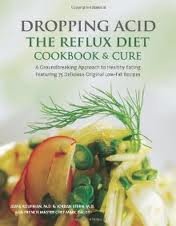
Dropping Acid: The Reflux Diet Cookbook & Cure: Koufman, Jamie, Stern, Jordan, Bauer, Marc Michel
Jamie Koufman ... Dropping Acid: The Reflux Diet Cookbook & Cure is <strong>the first book to offer a nontraditional diet to help cure reflux, as well as the best and worst foods for a reflux suf
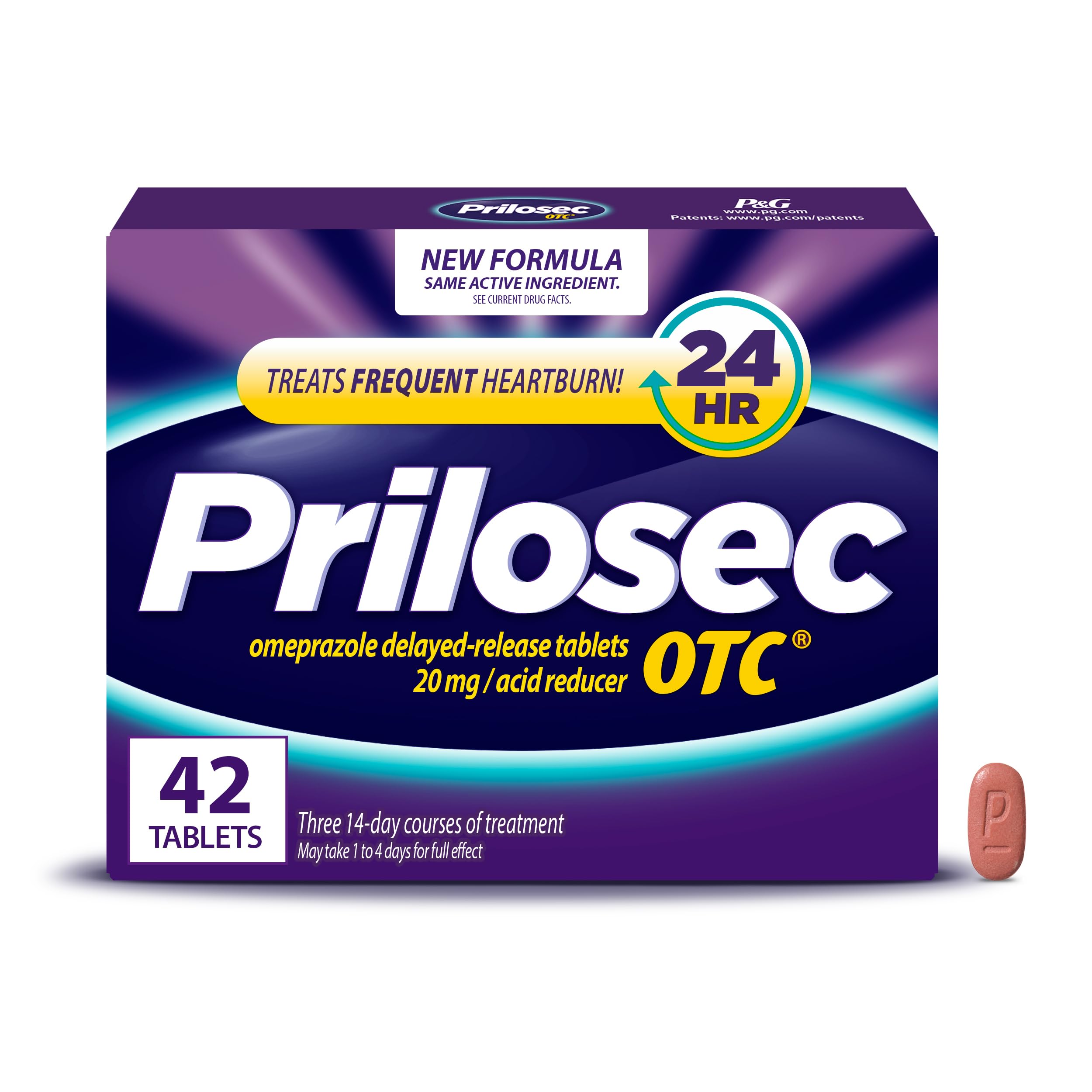
Prilosec OTC, Omeprazole 20mg, Heartburn Medicine, Acid Reflux Medicine, 24 Hour Relief, 42 Tablets
Amazon Basic Care Omeprazole Delayed ... OTC, Omeprazole Delayed Release 20mg, Acid Reducer, <strong>Treats Frequent Heartburn for 24 Hour Relief, All Day, All Night*, Heartburn</strong> ......

Integrative Therapeutics Rhizinate, Sugarless, 100-Count
... 2 Chewable Tablets contain: ... 100 mg. Other Ingredients: sorbitol, mannitol, anise seed powder, stearic acid, <strong>natural flavor</strong>, cellulose, silicon dioxide, magnesium stearate....
Evidence & Sources
Supported by multiple clinical trials and systematic reviews
- American College of Gastroenterology Guidelines
- New England Journal of Medicine
- The American Journal of Gastroenterology
- U.S. Food and Drug Administration (FDA)
- National Institute of Diabetes and Digestive and Kidney Diseases (NIDDK)
- National Center for Complementary and Integrative Health (NCCIH)
- World Gastroenterology Organisation
- BMJ
This content is for informational purposes only and does not constitute medical advice. Always consult a qualified healthcare provider before starting, stopping, or changing any supplement or medication regimen.