

Non-Stimulant ADHD Medications
Also known as: non stimulant ADHD meds, ADHD nonstimulants, non-stimulant attention medications
Overview
Non-stimulant ADHD medications are prescription drugs used to help manage symptoms of attention-deficit/hyperactivity disorder (ADHD) without relying on stimulant compounds such as methylphenidate or amphetamine derivatives. They are commonly discussed in the context of attention regulation, impulsivity, emotional reactivity, and executive functioning, particularly when stimulant medications are not well tolerated, are contraindicated, or do not provide sufficient benefit. In current clinical practice, the main non-stimulant options include atomoxetine, viloxazine extended-release, and certain alpha-2 adrenergic agonists such as guanfacine extended-release and clonidine extended-release.
ADHD affects both children and adults and is increasingly understood as a neurodevelopmental condition involving differences in brain networks related to attention, inhibition, motivation, and working memory. While stimulant medications remain the most extensively studied pharmacologic treatment, non-stimulants occupy an important role because they may offer a different side-effect profile, a lower risk of misuse, and in some cases added usefulness when symptoms include sleep disruption, tics, anxiety features, or emotional dysregulation. Some are used as stand-alone therapies, while others may be considered in broader care plans that also include behavioral therapy, school or workplace accommodations, sleep support, and nutrition-focused strategies.
Compared with stimulants, non-stimulant medications often have a slower onset of effect, with benefits sometimes emerging over days to weeks rather than immediately. Research suggests that, on average, their symptom reduction may be more modest than that seen with stimulant treatment, but they can still be clinically meaningful for many individuals. Their appeal often lies in consistency of coverage across the day, a different tolerability pattern, and suitability for people who prefer to avoid controlled substances. As with all ADHD medications, response is highly individualized, and factors such as age, coexisting conditions, cardiovascular history, sleep patterns, and mental health symptoms may influence how these agents are considered.
From an integrative-health perspective, non-stimulant ADHD medications are often researched alongside behavioral interventions, parent training, psychotherapy, sleep optimization, exercise, dietary strategies, and selected supplements. A balanced understanding is important: these medications are neither simply “milder stimulants” nor universally gentler for everyone. They represent a distinct class of pharmacologic approaches that alter neurotransmitter signaling or autonomic regulation in different ways, and they are best understood within the broader context of individualized ADHD care guided by qualified healthcare professionals.
Medical Perspectives
Two Ways of Seeing Health

Western
scientific · clinical
Western medicine applies science, technology, and clinical experience to treat symptoms through testing, diagnosis, and targeted intervention.

Eastern
traditional · alternative
Eastern medicine focuses on treating the body naturally by applying traditional knowledge practiced for thousands of years, emphasizing balance and whole-person wellness.
Gold Bamboo presents both perspectives side-by-side so you can make informed decisions. We don't advocate for one over the other — your health choices are yours.
Western Medicine Perspective
Western / Conventional Medicine Perspective
In conventional medicine, non-stimulant ADHD medications are viewed as evidence-based alternatives or adjuncts to stimulant treatment. Their mechanisms differ by drug class. Atomoxetine is a selective norepinephrine reuptake inhibitor, increasing norepinephrine signaling and indirectly affecting dopamine in certain brain regions involved in attention and executive control. Viloxazine extended-release also modulates norepinephrine pathways and appears to have broader effects on serotonergic signaling, though its full mechanism in ADHD is still being characterized. Guanfacine ER and clonidine ER are alpha-2A adrenergic agonists that influence prefrontal cortical regulation and sympathetic tone, and are often discussed when hyperactivity, impulsivity, sleep disturbance, or tic-related concerns are prominent.
Clinical guidelines generally recognize these medications as useful in several situations: when stimulant adverse effects are problematic, when there is concern about misuse or diversion, when comorbid anxiety or tic disorders complicate care, or when additional symptom coverage is needed. Studies indicate that non-stimulants can reduce core ADHD symptoms in children, adolescents, and in some cases adults, though effect sizes are generally smaller than those seen with stimulants. They may also be considered when a person needs all-day symptom support without the peaks and troughs some people experience with shorter-acting stimulant formulations.
Safety monitoring remains an important part of conventional use. Depending on the medication, clinicians may review blood pressure, heart rate, sleep changes, appetite, gastrointestinal symptoms, mood changes, sedation, and rare but serious psychiatric or cardiovascular concerns. Atomoxetine carries warnings related to suicidal thinking in children and adolescents and potential liver injury, while alpha-2 agonists may be associated with sleepiness, low blood pressure, dizziness, or rebound blood pressure changes if stopped abruptly. Because ADHD frequently overlaps with anxiety, depression, autism spectrum traits, learning disorders, and sleep disorders, western care typically frames non-stimulant medication as one component of a broader assessment rather than a stand-alone solution.
Conventional medicine also emphasizes that medication response is heterogeneous. Some individuals experience meaningful improvement in concentration and impulse control with non-stimulants, while others notice limited benefit or side effects that outweigh advantages. For that reason, the western model generally places these medications within a framework of ongoing evaluation, functional goals, and multimodal care, often alongside psychotherapy, skills-based interventions, educational support, and regular follow-up with a licensed healthcare professional.
Eastern & Traditional Perspective
Eastern / Traditional Medicine Perspective
Traditional medicine systems do not describe ADHD using the same diagnostic categories as modern psychiatry, but they do recognize patterns involving restlessness, distractibility, poor concentration, irritability, sleep disturbance, and emotional imbalance. In Traditional Chinese Medicine (TCM), these presentations may be interpreted through pattern frameworks such as Shen disturbance, Liver yang rising, phlegm misting the mind, or deficiencies involving the Heart, Spleen, or Kidney systems, depending on the individual’s constitution and symptom picture. In Ayurveda, similar experiences may be understood through dysregulation of Vata, sometimes with contributions from Rajas, affecting attention, calmness, and sensory processing.
From these perspectives, non-stimulant ADHD medications would not traditionally be categorized by neurotransmitter mechanism, but rather considered external agents that may help reduce agitation, improve regulation, or stabilize daily functioning. Integrative practitioners sometimes view them as potentially compatible with broader efforts aimed at sleep regularity, digestive support, stress reduction, routine formation, sensory calming, and mind-body practices. Traditional frameworks often place substantial emphasis on the terrain around symptoms: family stress, diet quality, overstimulation, disrupted rhythms, and constitutional vulnerability.
In naturopathic and integrative settings, non-stimulant medications are sometimes discussed as part of a combined support strategy that may also include behavioral therapy, mindfulness-based approaches, nutritional assessment, and selected botanical or nutrient interventions. However, evidence for combining traditional therapies with prescription ADHD medications varies widely, and herb-drug interaction considerations are important. For example, sedating botanicals, blood-pressure-lowering herbs, or supplements that influence mood and arousal may have overlapping effects with some non-stimulant agents.
A balanced traditional perspective generally acknowledges two points at once: first, prescription medications may play a valuable role in helping some individuals function more effectively; second, symptom expression is often shaped by broader patterns involving sleep, nourishment, stress, environment, and constitutional balance. Because traditional systems use individualized pattern-based assessment, any complementary approach is best interpreted as supportive rather than as a substitute for professional psychiatric or medical care.
Supplements & Products
Recommended Products

Finally Focused: The Breakthrough Natural Treatment Plan for ADHD That Restores Attention, Minimizes Hyperactivity, and Helps Eliminate Drug Side Effects: Greenblatt MD, James, Gottlieb CPHC, Bill
Finally Focused: <strong>The Breakthrough Natural Treatment Plan for ADHD That Restores Attention, Minimizes Hyperactivity, and Helps Eliminate Drug Side Effects</strong> [Greenblatt MD, James, Gottli

Nordic Naturals Ultimate Omega, Lemon Flavor - 90 Soft Gels - 1280 mg Omega-3 - High-Potency Omega-3 Fish Oil Supplement with EPA & DHA - Promotes Brain & Heart Health - Non-GMO - 45 Servings
Buy Nordic Naturals Ultimate Omega, Lemon Flavor - 90 Soft Gels - 1280 mg Omega-3 - High-Potency Omega-3 Fish Oil Supplement with EPA & DHA - Promotes Brain & Heart Health - Non-GMO - 45 Servi
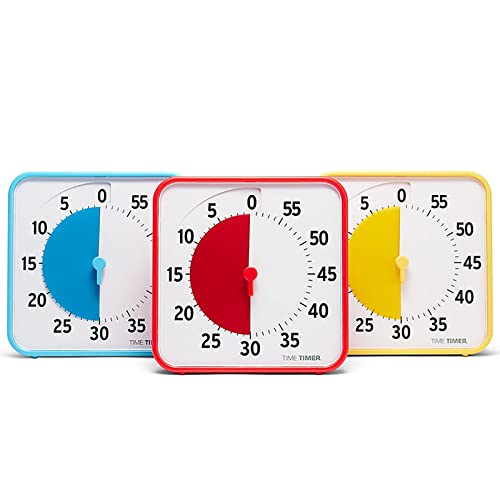
Time Timer 8 Inch Learning Center Classroom Set — 60 Minute Visual Timer for Kids with Dry Erase Activity Cards for Kids Classroom, Learning Centers and Teachers Desk Clock, Primary (3-Pack)
<strong>This setup has been proven to help anyone trying to focus on a particular activity for a set period of time</strong>. ... Primary Color Collection includes: Red, Yellow, and Blue Time Timer Or
Evidence & Sources
Promising research with growing clinical support from multiple studies
- American Academy of Pediatrics (AAP) Clinical Practice Guideline for ADHD
- American Academy of Child and Adolescent Psychiatry (AACAP) Practice Parameters
- National Institute for Health and Care Excellence (NICE) Guideline: ADHD
- Agency for Healthcare Research and Quality (AHRQ) systematic reviews on ADHD treatment
- Cochrane Reviews on atomoxetine and ADHD pharmacotherapy
- Journal of the American Academy of Child & Adolescent Psychiatry
- The Lancet Psychiatry
- National Institute of Mental Health (NIMH)
- U.S. Food and Drug Administration (FDA) prescribing information for atomoxetine, guanfacine ER, clonidine ER, and viloxazine ER
- National Center for Complementary and Integrative Health (NCCIH)
This content is for informational purposes only and does not constitute medical advice. Always consult a qualified healthcare provider before starting, stopping, or changing any supplement or medication regimen.