

Muscle Relaxants
Also known as: muscle spasm medications, skeletal muscle relaxants
Overview
Muscle relaxants are a broad group of medications used to reduce muscle spasm, muscle tightness, and related pain, particularly in conditions such as acute low back pain, neck strain, musculoskeletal injury, and certain neurologic disorders involving spasticity. In everyday use, the term often refers to skeletal muscle relaxants prescribed for short-term relief of painful muscle spasm, although some agents act primarily on the central nervous system rather than directly on muscle tissue. Common examples in conventional care include cyclobenzaprine, methocarbamol, tizanidine, baclofen, and diazepam, though these medicines differ substantially in mechanism, approved use, and side-effect profile.
Muscle relaxants are clinically significant because musculoskeletal pain is extremely common, especially low back pain, which remains one of the leading causes of disability worldwide. In this context, muscle relaxants are often discussed as part of a broader symptom-management strategy when pain is accompanied by stiffness, guarding, or spasm. At the same time, these medicines are also associated with important limitations. Sedation, dizziness, cognitive slowing, dry mouth, impaired coordination, and fall risk are well-recognized concerns, and some agents carry additional issues related to tolerance, misuse, or dependence, particularly when used alongside other sedating substances.
Interest in natural or non-drug alternatives has grown partly because many people seek ways to address tension-related discomfort and muscle tightness without the tradeoffs of drowsiness or dependency risk. Commonly discussed supportive approaches include stretching, physical therapy, massage, heat therapy, magnesium, mind-body practices, and selected herbal traditions. Research on these alternatives varies widely in quality and consistency, and their appropriateness may depend on whether symptoms stem from acute strain, chronic pain syndromes, stress-related muscle tension, or neurologic spasticity.
A balanced view is important: muscle relaxants may offer short-term symptom relief in selected situations, but they are not a single uniform category, and they do not address every underlying cause of muscle pain or spasm. Persistent, severe, or recurrent symptoms warrant evaluation by a qualified healthcare professional, particularly when accompanied by weakness, numbness, fever, trauma, bowel or bladder changes, or progressive functional loss.
Medical Perspectives
Two Ways of Seeing Health

Western
scientific · clinical
Western medicine applies science, technology, and clinical experience to treat symptoms through testing, diagnosis, and targeted intervention.

Eastern
traditional · alternative
Eastern medicine focuses on treating the body naturally by applying traditional knowledge practiced for thousands of years, emphasizing balance and whole-person wellness.
Gold Bamboo presents both perspectives side-by-side so you can make informed decisions. We don't advocate for one over the other — your health choices are yours.
Western Medicine Perspective
Western Medicine Perspective
In conventional medicine, muscle relaxants are generally divided into two broad groups: antispasmodic drugs used mainly for acute musculoskeletal conditions, and antispasticity agents used for neurologic conditions such as multiple sclerosis, spinal cord injury, cerebral palsy, or post-stroke spasticity. Antispasmodic drugs like cyclobenzaprine or methocarbamol are commonly prescribed for short-term relief of painful muscle spasm associated with strains or back pain. Antispasticity drugs such as baclofen and tizanidine are used more often when abnormal muscle tone is driven by nervous system dysfunction rather than simple musculoskeletal tension.
Research suggests that for acute low back pain and related spasm, some skeletal muscle relaxants may provide modest short-term symptom improvement, especially in the first days of treatment. However, benefit is often weighed against adverse effects, most notably sleepiness and dizziness. Clinical guidelines vary, but many emphasize that these medications are typically considered adjunctive and short-term, rather than a long-term solution. Evidence for chronic use in non-neurologic pain is generally weaker, and prolonged use may raise concerns about sedation, reduced alertness, medication interactions, and misuse potential. Benzodiazepines, sometimes used for muscle relaxation, are especially scrutinized because of dependence risk and central nervous system depression.
Conventional care also distinguishes between symptom relief and cause-directed treatment. A muscle spasm may reflect acute strain, poor ergonomics, overuse, disc-related irritation, stress-related guarding, electrolyte disturbance, or a neurologic disorder. Because of this, evaluation often includes attention to pain pattern, mobility, neurologic signs, medication history, and red flags. Nonpharmacologic management is frequently part of standard care, including activity modification, exercise-based rehabilitation, physical therapy, heat, and ergonomic support. In many cases, these strategies are emphasized alongside or instead of medication.
From a safety standpoint, clinicians are particularly cautious in older adults, those with liver disease, people taking opioids, alcohol, sleep medicines, or other sedatives, and anyone whose work or daily function depends on full alertness. The conventional perspective therefore sees muscle relaxants as useful in certain contexts, but not benign, and best understood within a broader pain-management and functional-recovery framework.
Eastern & Traditional Perspective
Eastern and Traditional Medicine Perspective
In Traditional Chinese Medicine (TCM), symptoms such as muscle tightness, spasm, stiffness, or tension-related pain are not grouped primarily by drug class, but by broader patterns of imbalance. These may include Qi and Blood stagnation, Wind-Cold-Damp obstruction, or tension associated with Liver disharmony affecting the sinews and tendons. TCM approaches historically used for these patterns may include acupuncture, cupping, tui na massage, movement practices such as tai chi or qigong, and customized herbal formulas aimed at improving circulation, easing constraint, and relaxing the musculature. Contemporary research suggests acupuncture may help some forms of back pain, neck pain, and myofascial tension, though results are mixed and depend on the condition studied.
In Ayurveda, muscle stiffness and spasm may be viewed through the lens of Vata imbalance, especially when pain is variable, tense, dry, or aggravated by stress, overexertion, or irregular routines. Traditional approaches may involve abhyanga (oil massage), heat-based therapies, stretching or yoga, and herbs historically used for musculoskeletal comfort, such as preparations containing ashwagandha, boswellia, turmeric, or rasna in appropriate traditional contexts. As with other traditional systems, individualized assessment is central, and treatment is typically framed around restoring systemic balance rather than suppressing a symptom in isolation.
In naturopathic and integrative medicine, the discussion often centers on reducing factors that contribute to recurrent muscle tension, including stress load, sleep disruption, posture, physical deconditioning, hydration, and nutritional status. Commonly cited supportive measures include magnesium, massage therapy, hydrotherapy, breathing practices, and anti-inflammatory dietary patterns. The evidence for these approaches is variable: some, like exercise therapy, massage for short-term symptom relief, and certain mind-body interventions, have a growing evidence base, while others remain traditional or mixed in the research literature.
Across eastern and traditional systems, an important theme is that muscle tension is often understood as a whole-body issue involving circulation, stress regulation, energy flow, or constitutional imbalance, rather than solely a local mechanical problem. Even so, qualified practitioners generally recognize that persistent spasm, severe pain, weakness, or neurologic symptoms may require biomedical evaluation to rule out structural or neurologic causes.
Supplements & Products
Recommended Products

The Trigger Point Therapy Workbook: Your Self-Treatment Guide for Pain Relief: Davies NCTMB, Clair, Davies CMTPT LMT, Amber, Simons MD, David G.
The Trigger Point Therapy Workbook, Third Edition, has made a huge impact among health professionals and the public alike, becoming an overnight classic in the field of pain relief. This edition inclu
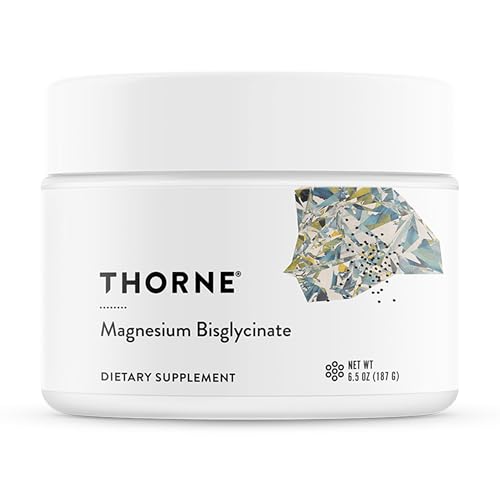
THORNE - Magnesium Bisglycinate - Powdered Magnesium Formula - Supports Restful Sleep, Muscle Relaxation, Heart Health & Metabolism* - NSF Certified for Sport - Gluten, Dairy & Soy-Free - 60 Servings
THORNE - Magnesium Glycinate - <strong>Supports Restful Sleep, Muscle Relaxation, Heart Health & Metabolism</strong>* - Chelated Magnesium Capsules - Third-Party Certified - Gluten, Dairy & So

TriggerPoint GRID Foam Roller for Exercise, Deep Tissue Massage and Muscle Recovery, Original (13-Inch)
The 13-inch GRID X features <strong>extra dense foam for working the tightest muscles</strong>. Purchase of any TriggerPoint GRID foam roller includes free access to an online instructional video libr
Evidence & Sources
Promising research with growing clinical support from multiple studies
- Cochrane Database of Systematic Reviews
- BMJ
- JAMA
- American College of Physicians
- American Academy of Family Physicians
- National Center for Complementary and Integrative Health (NCCIH)
- World Health Organization
- Mayo Clinic Proceedings
This content is for informational purposes only and does not constitute medical advice. Always consult a qualified healthcare provider before starting, stopping, or changing any supplement or medication regimen.