

Morphine
Also known as: MS Contin, Pain relief, Morphine
Morphine Overview
Morphine is a naturally derived opioid analgesic used in conventional medicine to manage moderate to severe pain, particularly when pain is acute, cancer-related, postoperative, traumatic, or associated with serious illness. It is considered one of the foundational opioid medications in modern medicine and has long served as a reference standard against which other opioid pain relievers are compared. Morphine acts primarily on mu-opioid receptors in the central nervous system, altering how pain is perceived and reducing the emotional distress associated with pain.
Its medical importance is substantial. Morphine is used in hospitals, emergency settings, surgical recovery, palliative care, and hospice care, and it remains listed by major global health organizations as an essential medicine for the relief of severe pain. At the same time, its use requires careful clinical oversight because opioid medications are associated with significant risks, including sedation, constipation, respiratory depression, tolerance, physical dependence, and misuse potential. These risks have placed morphine within broader public health discussions about opioid stewardship, safe prescribing, and balancing pain relief with patient safety.
Morphine is available in multiple formulations, including immediate-release and extended-release oral forms, injectable preparations, and other specialized delivery methods used in clinical practice. The effects and safety profile can vary depending on dose, route of administration, liver and kidney function, concurrent medications, and whether a person has previous exposure to opioids. Research and clinical experience indicate that morphine can be highly effective for selected patients, but it is not interchangeable with all pain approaches, and its benefits must be weighed against short- and long-term complications.
From a broader health perspective, morphine sits at the intersection of pain medicine, anesthesiology, oncology, palliative care, pharmacology, and addiction medicine. Discussions around morphine often include not only its analgesic properties, but also questions of access, equity in pain treatment, end-of-life care, and the need for individualized assessment by qualified healthcare professionals. For this reason, morphine is best understood not simply as a painkiller, but as a powerful clinical tool with meaningful therapeutic value and equally important limitations.
Medical Perspectives
Two Ways of Seeing Health

Western
scientific · clinical
Western medicine applies science, technology, and clinical experience to treat symptoms through testing, diagnosis, and targeted intervention.

Eastern
traditional · alternative
Eastern medicine focuses on treating the body naturally by applying traditional knowledge practiced for thousands of years, emphasizing balance and whole-person wellness.
Gold Bamboo presents both perspectives side-by-side so you can make informed decisions. We don't advocate for one over the other — your health choices are yours.
Western Medicine Perspective
Western Medicine Perspective
In conventional medicine, morphine is understood as a potent opioid receptor agonist that reduces pain signaling in the brain and spinal cord. It is commonly used when pain is severe enough that non-opioid options or weaker analgesics are insufficient. Clinical settings may include postoperative care, major injury, cancer pain, myocardial infarction-associated pain in selected contexts, and palliative or end-of-life symptom management. Dosing strategies, formulation choice, and monitoring are individualized according to pain severity, prior opioid exposure, organ function, and overall clinical status.
Western medicine places strong emphasis on risk assessment and monitoring when morphine is used. Common adverse effects include nausea, vomiting, itching, drowsiness, and constipation, while more serious concerns include respiratory depression, overdose, delirium in vulnerable patients, falls, and opioid use disorder. Tolerance and physical dependence can occur with ongoing use, and abrupt discontinuation after sustained exposure may lead to withdrawal symptoms. Because morphine is metabolized into active compounds that may accumulate in some patients, clinicians also consider kidney function and potential drug interactions when evaluating safety.
Modern guidelines generally frame morphine as an important but carefully managed medication rather than a first-line solution for all pain. In chronic non-cancer pain, evidence reviews have raised concerns about long-term benefit relative to risk, while in acute pain, cancer pain, and palliative care, morphine remains a well-established option within comprehensive pain management. Conventional care often integrates morphine with broader strategies such as multimodal analgesia, bowel management, monitoring for sedation, and periodic reassessment of function, goals of care, and adverse effects.
Eastern & Traditional Perspective
Eastern and Traditional Medicine Perspective
Traditional medical systems do not historically center morphine itself as a classical therapeutic concept in the way modern biomedicine does. Instead, Eastern and traditional frameworks generally approach pain as a manifestation of imbalance, obstruction, deficiency, stagnation, or disturbed vital energy. In Traditional Chinese Medicine (TCM), severe pain may be interpreted through patterns such as Qi stagnation, Blood stasis, Cold obstruction, Damp accumulation, or deficiency of Qi and Blood, depending on the location, nature, and associated symptoms. In Ayurveda, pain may be viewed in relation to aggravated Vata, tissue depletion, inflammation, or impaired circulation of bodily energies.
Within these systems, the emphasis is often on understanding the root pattern underlying pain, not only suppressing the sensation. Traditional approaches may include herbal medicine, acupuncture, moxibustion, bodywork, dietary frameworks, mindfulness-based practices, or lifestyle regulation, depending on the lineage and practitioner. Research suggests that some complementary approaches may help support pain management, quality of life, or symptom burden in selected settings, though they are not equivalent to morphine's rapid opioid analgesic effect and are studied with varying levels of rigor.
In integrative settings, morphine may be viewed as a powerful modern intervention that can relieve severe suffering while traditional therapies are considered in a supportive role for the broader experience of pain, recovery, stress, sleep disturbance, or treatment tolerance. Practitioners working from Eastern or traditional perspectives typically emphasize individualized assessment and careful coordination with licensed medical professionals, especially because severe pain can indicate urgent disease and opioid medications involve important safety considerations. The overall traditional viewpoint is less about replacing morphine with a single analogous remedy and more about placing pain within a whole-person framework that includes body, mind, function, and environment.
Supplements & Products
Recommended Products
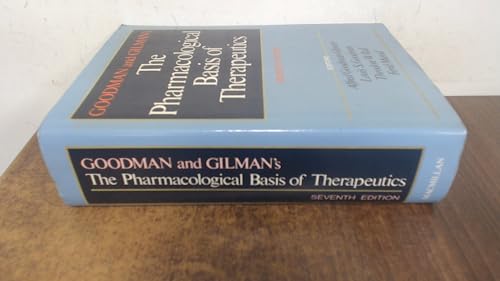
Goodman and Gilman's The Pharmacological Basis of Therapeutics, 14th Edition
For more than 50 years, Goodman & Gilman’s: The Pharmacological Basis of Therapeutics has <strong>represented the pinnacle of authority and accuracy in describing the actions and uses of therapeut

NARCAN Nasal Spray 4 mg, Emergency Treatment of Opioid Overdose, 2 Single-Dose Devices
NARCAN Nasal Spray 4mg (2 Single-Dose Devices) + Convenience Kit with Medical Grade Components | Quick Access Bundle to Aid in an Emergency · WNL Products 5000NMT Nasal Med Trainer, Naloxone Training

Traditional Medicinals Tea, Organic Smooth Move, Relieves Occasional Constipation, Senna, 96 Tea Bags (6 Pack) : Herbal Teas
Traditional Medicinals Tea, Organic Smooth Move Peppermint, Relieves Occasional Constipation, Senna, 96 Tea Bags (6 Pack)
Evidence & Sources
Supported by multiple clinical trials and systematic reviews
- World Health Organization (WHO) Essential Medicines List
- National Institute on Drug Abuse (NIDA)
- U.S. Food and Drug Administration (FDA) labeling for morphine products
- Centers for Disease Control and Prevention (CDC) Clinical Practice Guideline for Prescribing Opioids for Pain
- StatPearls: Morphine
- Journal of Clinical Oncology
- Palliative Medicine
- National Center for Complementary and Integrative Health (NCCIH)
This content is for informational purposes only and does not constitute medical advice. Always consult a qualified healthcare provider before starting, stopping, or changing any supplement or medication regimen.