

Mood Stabilizers
Also known as: Bipolar medications, Emotional stabilizers, Mood meds
Overview
Mood stabilizers are a class of medications used primarily in the management of bipolar spectrum disorders and, in some cases, related conditions involving significant shifts in mood, energy, sleep, and behavior. The term most commonly refers to medicines that help reduce the frequency, intensity, or recurrence of mania, hypomania, mixed states, and depressive episodes. In modern clinical practice, the category includes classic agents such as lithium, certain anticonvulsants like valproate and lamotrigine, and some atypical antipsychotic medications that have mood-stabilizing properties. Although the label sounds straightforward, the concept is clinically nuanced: different agents may be more effective for acute mania, bipolar depression, long-term relapse prevention, or maintenance of stability over time.
Mood disorders can have profound effects on functioning, relationships, work, sleep, and physical health. Bipolar disorder in particular is associated with recurrent episodes, elevated risk of hospitalization, substance use, and suicide, making long-term management especially important. Research indicates that mood stabilizers can play a central role in reducing relapse risk and improving overall course of illness when used as part of a broader treatment plan that may also include psychotherapy, sleep regulation, and ongoing psychiatric monitoring. Not all mood stabilizers act in the same way, and response varies substantially across individuals.
The term also carries practical importance because these medications often require careful monitoring for side effects, interactions, and long-term safety. For example, lithium has one of the strongest evidence bases for bipolar disorder and is notable for possible anti-suicidal benefits in some populations, yet it also requires laboratory monitoring of blood levels, kidney function, and thyroid function. Other agents have different safety profiles involving liver health, metabolic effects, sedation, skin reactions, reproductive considerations, or neurologic symptoms. For this reason, discussion of mood stabilizers typically includes both effectiveness and tolerability, as well as how they fit a person’s diagnosis, symptom pattern, and medical history.
From a broader integrative health perspective, mood stabilizers are generally viewed as foundational psychiatric medications rather than stand-alone solutions. Conventional medicine emphasizes diagnosis-specific use based on clinical trials and guideline-supported indications. Traditional and complementary systems often focus more on the person’s overall constitutional balance, sleep, stress load, digestion, nervous system regulation, and social environment. These perspectives are not identical, but they often intersect around the importance of stability, routine, and individualized care. Because mood symptoms can be serious and medications can carry substantial risks if changed abruptly, any decisions about their use are typically best made in collaboration with qualified healthcare professionals.
Medical Perspectives
Two Ways of Seeing Health

Western
scientific · clinical
Western medicine applies science, technology, and clinical experience to treat symptoms through testing, diagnosis, and targeted intervention.

Eastern
traditional · alternative
Eastern medicine focuses on treating the body naturally by applying traditional knowledge practiced for thousands of years, emphasizing balance and whole-person wellness.
Gold Bamboo presents both perspectives side-by-side so you can make informed decisions. We don't advocate for one over the other — your health choices are yours.
Western Medicine Perspective
Western Medicine Perspective
In conventional psychiatry, mood stabilizers are most closely associated with bipolar I disorder, bipolar II disorder, cyclothymia, schizoaffective disorder (bipolar type), and related mood instability syndromes, though the exact role of each medication depends on diagnosis and phase of illness. Clinical guidelines generally distinguish among treatment of acute mania, acute bipolar depression, and maintenance therapy. Lithium remains a benchmark treatment because studies and long-term clinical experience suggest benefit for acute mania, relapse prevention, and reduction in suicidal behavior in some patients. Valproate/divalproex is widely used for acute mania and maintenance in select cases, while lamotrigine is more commonly associated with prevention of depressive relapse than with treatment of acute mania. Certain second-generation antipsychotics—such as quetiapine, olanzapine, lurasidone, cariprazine, and others depending on indication—may also function as mood-stabilizing agents in bipolar disorder.
Mechanistically, these drugs do not all share one pathway. Lithium appears to affect multiple intracellular signaling systems, circadian regulation, and neuroprotective pathways. Anticonvulsants may modulate voltage-gated ion channels, glutamate, and GABA-related signaling. Atypical antipsychotics often act through dopamine and serotonin receptor modulation. Because bipolar disorder likely reflects complex interactions among genetics, neurotransmitter systems, inflammation, circadian biology, and environmental stressors, the diversity of medication mechanisms reflects the complexity of the condition itself.
Conventional care also places strong emphasis on risk management and monitoring. Lithium requires serum level checks and surveillance of renal and thyroid function. Valproate is associated with hepatic, hematologic, metabolic, and teratogenic concerns. Lamotrigine is generally considered weight-neutral but carries a rare risk of serious rash, including Stevens-Johnson syndrome. Atypical antipsychotics may be associated with weight gain, insulin resistance, lipid abnormalities, sedation, extrapyramidal symptoms, or prolactin changes, depending on the agent. For this reason, mood stabilizer treatment is usually framed as a process of balancing symptom control, relapse prevention, quality of life, and safety over time.
Evidence-based practice in this area is relatively robust compared with many complementary interventions, especially for lithium and several FDA-approved agents for bipolar disorder. At the same time, conventional medicine recognizes important limitations: some patients do not respond fully, bipolar depression can remain difficult to treat, side effects may reduce adherence, and long-term outcomes often improve most when medication is combined with psychoeducation, psychotherapy, social rhythm support, and collaborative follow-up.
Eastern & Traditional Perspective
Eastern / Traditional Medicine Perspective
In Traditional Chinese Medicine (TCM) and related East Asian frameworks, the symptom patterns associated with severe mood fluctuation are generally not classified under a single biomedical term like “mood stabilizer.” Instead, practitioners historically describe presentations through patterns such as Shen disturbance, Liver qi stagnation, phlegm misting the mind, Heart fire, or disharmony involving the Heart, Liver, Spleen, and Kidney systems. From this viewpoint, alternating agitation, impulsivity, insomnia, irritability, despair, and emotional volatility may reflect shifting imbalances in internal regulation rather than a single disease entity. Treatment traditions often emphasize restoring rhythm and coherence through individualized herbal formulas, acupuncture strategies, sleep normalization, and reduction of overstimulation.
In Ayurveda, comparable symptoms may be interpreted through disturbances in Vata, Pitta, and mental qualities such as rajas and tamas, with attention to how digestion, routine, sensory overload, trauma, and constitutional tendencies shape emotional reactivity. Some Ayurvedic and naturopathic traditions place particular emphasis on daily structure, calming practices, nourishment, and mind-body regulation as supportive elements for people experiencing cyclical mood disruption. These systems often understand emotional instability as involving both the nervous system and whole-person balance, including sleep, stress, community, and digestive health.
Importantly, traditional systems generally do not present herbs, acupuncture, or lifestyle approaches as direct substitutes for prescription mood stabilizers in severe bipolar disorder within evidence-based modern care. Research on integrative approaches remains limited and mixed, with some studies exploring adjunctive acupuncture, omega-3s, mindfulness-based therapies, and circadian interventions, but the evidence is not equivalent to the established data supporting standard psychiatric medications for acute mania or relapse prevention. Many integrative clinicians therefore discuss traditional modalities more as adjunctive, individualized supports than as stand-alone management for high-risk mood disorders.
An integrative perspective often highlights an area of overlap between East and West: both recognize that regularity matters. Stable sleep-wake cycles, reduced physiologic stress, consistent routines, and close observation of mood changes are valued across systems, even though the explanatory models differ. Because bipolar-spectrum symptoms can escalate quickly and may involve impaired judgment, psychosis, or suicidality, any traditional or complementary approach is generally best considered within coordinated care involving licensed mental health and medical professionals.
Supplements & Products
Recommended Products
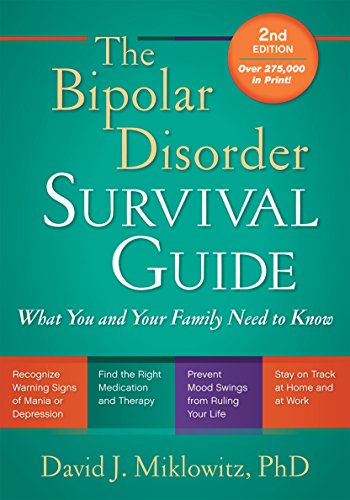
The Bipolar Disorder Survival Guide, Second Edition: What You and Your Family Need to Know
David J. Miklowitz ... This book has been replaced by Bipolar Disorder Survival Guide, Third Edition, <strong>ISBN 978-1-4625-3498-2.</strong>

Nordic Naturals ProEPA, Lemon - 180 Soft Gels - 1210 mg Omega-3 - High-Intensity EPA Formula for Healthy Mood, Heart Health & Cellular Function - Non-GMO - 90 Servings
EPA-DOMINANT FORMULA - ProEPA is <strong>an omega-rich formula derived from the component of fish oil that helps lower cardiovascular risk factors and maintain a general sense of calm</strong>. BETTER
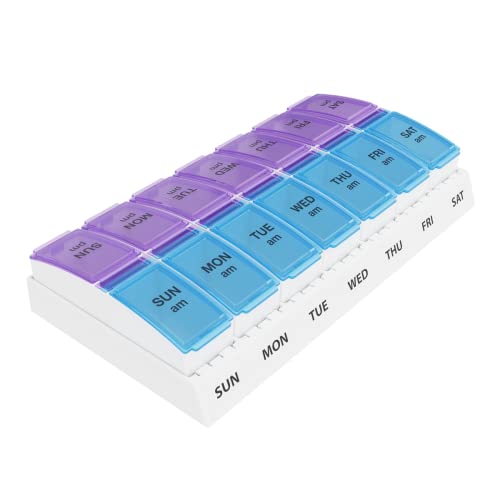
Ezy Dose Weekly (7-Day) AM/PM Pill Organizer, Vitamin and Medicine Box, Small Pop-out Compartments, 2 Times a Day, Blue and Purple Lids
The main features of the 7-Day ... any missed doses Large Compartments - <strong>Each compartment can fit 30 aspirin tablets and has plenty of room for all of your daily medications</strong>....
Evidence & Sources
Supported by multiple clinical trials and systematic reviews
- American Psychiatric Association Practice Guideline for the Treatment of Patients With Bipolar Disorder
- National Institute for Health and Care Excellence (NICE) Guideline: Bipolar Disorder
- CANMAT and ISBD Guidelines for the Management of Patients With Bipolar Disorder
- National Institute of Mental Health (NIMH)
- Cochrane Database of Systematic Reviews
- The Lancet
- American Journal of Psychiatry
- World Federation of Societies of Biological Psychiatry (WFSBP) Guidelines
- National Center for Complementary and Integrative Health (NCCIH)
- World Health Organization (WHO)
This content is for informational purposes only and does not constitute medical advice. Always consult a qualified healthcare provider before starting, stopping, or changing any supplement or medication regimen.