

Metoprolol
Also known as: Lopressor, Toprol XL, metaprolol
Metoprolol Overview
Metoprolol is a prescription beta-blocker commonly used in conventional medicine to help manage high blood pressure, certain rapid heart rhythms, angina, heart failure, and recovery after heart attack. It works primarily by blocking beta-1 adrenergic receptors in the heart, which can reduce heart rate, decrease the force of cardiac contraction, and lower the heart’s oxygen demand. In some settings, it is also used for migraine prevention and to reduce symptoms related to an overactive stress response, such as palpitations or tremor.
This medication is widely used because many cardiovascular conditions involve excessive sympathetic nervous system activity—often described as the body’s “fight-or-flight” response. By moderating this response, metoprolol may help reduce strain on the cardiovascular system. Different formulations exist, including metoprolol tartrate and metoprolol succinate, which are used in different clinical contexts and have different dosing schedules. Research and prescribing guidance emphasize that these forms are not interchangeable in all situations.
People frequently research metoprolol in the context of natural or integrative support for blood pressure, stress physiology, and palpitations. This interest often reflects a broader goal of understanding how lifestyle, nutrition, mind-body practices, and traditional healing systems may relate to cardiovascular regulation. At the same time, because metoprolol affects heart rate and blood pressure in clinically important ways, any questions about combining it with supplements, changing use, or exploring alternatives are generally considered important to review with a licensed healthcare professional.
Commonly discussed side effects include fatigue, dizziness, slower heart rate, exercise intolerance, cold extremities, and gastrointestinal symptoms. In some individuals, sleep changes, vivid dreams, sexual side effects, or mood-related symptoms are also reported. Conventional references also note cautions in people with asthma or other reactive airway disease, diabetes, conduction abnormalities, and certain circulation disorders. As with many cardiovascular drugs, the clinical context matters: the benefits and risks can differ depending on whether metoprolol is being used for blood pressure, arrhythmia control, heart failure, or post-heart-attack care.
Medical Perspectives
Two Ways of Seeing Health

Western
scientific · clinical
Western medicine applies science, technology, and clinical experience to treat symptoms through testing, diagnosis, and targeted intervention.

Eastern
traditional · alternative
Eastern medicine focuses on treating the body naturally by applying traditional knowledge practiced for thousands of years, emphasizing balance and whole-person wellness.
Gold Bamboo presents both perspectives side-by-side so you can make informed decisions. We don't advocate for one over the other — your health choices are yours.
Western Medicine Perspective
Western Medicine Perspective
From a conventional medical standpoint, metoprolol is part of the beta-adrenergic blocker class and is used to reduce the effects of circulating catecholamines such as adrenaline on the heart. This can result in lower heart rate, lower blood pressure, reduced myocardial oxygen demand, and improved symptom control in selected cardiovascular conditions. Clinical practice guidelines support beta-blocker use in specific settings, particularly heart failure with reduced ejection fraction, ischemic heart disease, rate control for some arrhythmias, and secondary prevention after myocardial infarction, while their role in uncomplicated hypertension has become more selective compared with some other first-line drug classes.
In evidence-based practice, metoprolol is generally understood as a symptom-modifying and risk-reducing medication, not a cure for the underlying causes of cardiovascular disease. Physicians evaluate factors such as resting heart rate, blood pressure patterns, left ventricular function, coexisting lung disease, diabetes status, kidney function, and other medications before prescribing it. Monitoring often focuses on bradycardia, hypotension, fatigue, and drug interactions, and clinicians are also attentive to the possibility that beta-blockers can mask certain signs of hypoglycemia in people with diabetes. Standard references further note that abrupt discontinuation may be associated with rebound cardiovascular effects in some patients, which is why medication changes are typically medically supervised.
People looking into “natural alternatives” often do so for concerns like stress-related palpitations, mild blood pressure elevation, or migraine prevention. Western research has explored adjunctive non-pharmacologic approaches including aerobic activity, sleep optimization, sodium reduction, mindfulness-based stress reduction, biofeedback, weight management, and limited evidence for certain supplements. However, studies also indicate that supplements and botanicals can interact with cardiovascular medications or affect heart rate and blood pressure independently. For that reason, integrative care models generally emphasize coordination with a cardiologist, primary care clinician, or pharmacist when a medication like metoprolol is involved.
Eastern & Traditional Perspective
Eastern and Traditional Medicine Perspective
In Traditional Chinese Medicine (TCM), symptoms that often lead to metoprolol use—such as palpitations, dizziness, chest discomfort, headaches, irritability, or stress-related blood pressure elevation—are not viewed through a single pharmaceutical framework. Instead, they may be interpreted through patterns such as Heart qi deficiency, Liver yang rising, Liver qi stagnation, Phlegm obstructing the channels, or disharmony between the Heart and Kidney systems. TCM traditionally aims to restore systemic balance using combinations of acupuncture, herbal formulas, breathing practices, sleep regulation, and dietary patterning, with the chosen approach depending on the individual pattern rather than the biomedical diagnosis alone.
In Ayurveda, overlapping symptoms may be associated with disturbances in Vata, Pitta, or rakta-related imbalance, especially when stress, overstimulation, poor sleep, heat, irritability, or circulatory strain are present. Traditional Ayurvedic approaches often focus on nervous system settling, digestive balance, daily routine, restorative practices, and botanicals selected according to constitution and pattern. In naturopathic and broader integrative traditions, clinicians may also emphasize mind-body regulation, mineral status, anti-inflammatory dietary patterns, and stress resilience as part of a whole-person view of cardiovascular health.
The traditional medicine perspective generally does not treat metoprolol itself as an herbal equivalent, but rather considers the broader patterns associated with the symptoms or conditions for which the drug is prescribed. Research on acupuncture, meditation, yoga, tai chi, and selected traditional botanicals suggests possible benefits for stress reduction, autonomic balance, quality of life, and modest blood pressure support in some populations. However, the evidence is mixed, and herbal products may have pharmacologic overlap or interaction potential with cardiovascular medications. For this reason, integrative practitioners typically frame traditional therapies as individualized and collaborative, especially in anyone with established heart disease, arrhythmia history, or prescription medication use.
Supplements & Products
Recommended Products
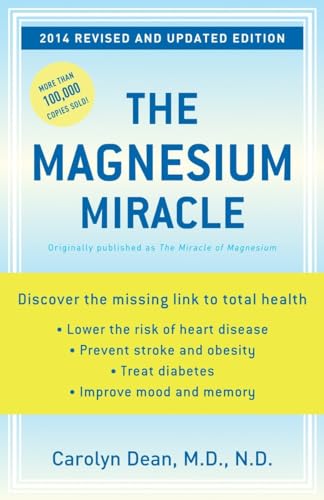
The Magnesium Miracle (Revised and Updated Edition): Carolyn Dean
Inside you will discover • newly ... public perception The Magnesium Miracle, now more than ever, is <strong>the ultimate guide to a mineral that is truly miraculous</strong>....
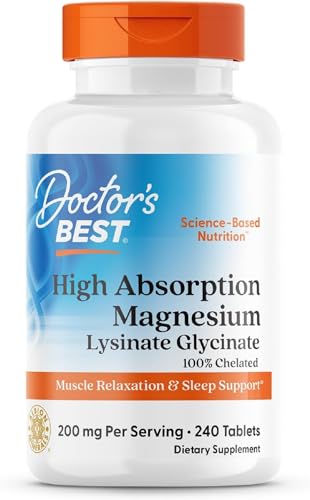
Doctor's Best High Absorption Magnesium Glycinate Lysinate Supplement for Sleep Support - Chelated Magnesium Tablets for Women & Men, 200mg per Serving, Supports Calm & Relaxation, Vegan - 240 Count
Doctor's Best High Absorption Magnesium Glycinate Lysinate Supplement for Sleep Support - Chelated Magnesium Capsules for Women & Men, 105 mg per Serving, Calm Support, Vegan - 120 Veg Caps
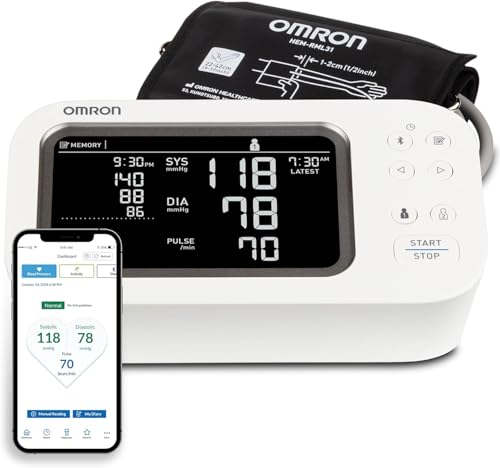
OMRON Platinum Blood Pressure Monitor for Home Use & Upper Arm Blood Pressure Cuff - #1 Doctor & Pharmacist Recommended Brand - Clinically Validated - AFib Detection - Connect App
CONFIDENCE IN EVERY READING: Monitor your heart health with the OMRON Platinum Upper Arm Blood Pressure Monitor's <strong>Advanced Accuracy with AFib Detection Technology</strong>; Store up to 10
Evidence & Sources
Supported by multiple clinical trials and systematic reviews
- U.S. Food and Drug Administration (FDA) Prescribing Information
- American Heart Association
- American College of Cardiology/American Heart Association Clinical Practice Guidelines
- StatPearls
- National Center for Complementary and Integrative Health (NCCIH)
- Cochrane Database of Systematic Reviews
- The Lancet
- New England Journal of Medicine
This content is for informational purposes only and does not constitute medical advice. Always consult a qualified healthcare provider before starting, stopping, or changing any supplement or medication regimen.