

Loratadine
Also known as: Claritin, loratadine allergy medicine, loratidine
Overview
Loratadine is a second-generation antihistamine widely used for symptoms related to allergic rhinitis and urticaria (hives). It works by blocking histamine H1 receptors, helping reduce sneezing, runny nose, itchy eyes, and skin itching triggered by allergic responses. Because it crosses into the brain less readily than older antihistamines, it is commonly described as less sedating or "non-drowsy," though individual responses can vary.
Allergic conditions are extremely common worldwide. Seasonal and perennial allergies affect quality of life, sleep, concentration, and daily function, while chronic or recurrent hives can be distressing and unpredictable. In this context, loratadine is often discussed not only as a medication but also alongside broader questions about histamine balance, environmental triggers, food sensitivities, and supportive lifestyle strategies. Public interest frequently extends beyond symptom relief toward understanding why histamine-related symptoms occur and what complementary approaches may help reduce overall allergic burden.
From a pharmacology standpoint, loratadine is metabolized in the liver to an active metabolite, desloratadine, which also contributes to its antihistamine effects. Compared with first-generation antihistamines such as diphenhydramine, second-generation agents are generally favored in many settings because they are associated with less sedation and less anticholinergic burden. Even so, conventional labeling and clinical guidance still emphasize appropriate use, attention to possible side effects, and discussion with a qualified healthcare professional when symptoms are persistent, severe, or atypical.
In integrative health discussions, loratadine often sits at the intersection of conventional allergy management and natural seasonal support. Research on non-pharmaceutical measures—such as allergen avoidance, saline irrigation, selected dietary patterns, and certain botanical or nutrient-based strategies—varies in strength and consistency. As a result, loratadine is best understood as one tool within a broader symptom-management landscape rather than a complete explanation for histamine-related conditions.
Medical Perspectives
Two Ways of Seeing Health

Western
scientific · clinical
Western medicine applies science, technology, and clinical experience to treat symptoms through testing, diagnosis, and targeted intervention.

Eastern
traditional · alternative
Eastern medicine focuses on treating the body naturally by applying traditional knowledge practiced for thousands of years, emphasizing balance and whole-person wellness.
Gold Bamboo presents both perspectives side-by-side so you can make informed decisions. We don't advocate for one over the other — your health choices are yours.
Western Medicine Perspective
Western Medicine Perspective
In conventional medicine, loratadine is classified as a second-generation H1 antihistamine. Histamine is a key mediator released during allergic reactions, and when it binds to H1 receptors it contributes to itching, sneezing, nasal discharge, and wheal-and-flare skin reactions. By selectively blocking these receptors in peripheral tissues, loratadine helps blunt the downstream symptoms of allergy without the degree of central nervous system penetration typical of older antihistamines.
Clinically, loratadine is commonly used for seasonal allergic rhinitis, perennial allergic rhinitis, and urticaria. Evidence from randomized trials and guideline reviews supports the role of second-generation antihistamines as standard symptom-relief options in these conditions. Conventional care also recognizes that antihistamines address symptoms rather than root immune sensitization. For persistent nasal allergies, western medicine often discusses a broader framework including trigger identification, environmental control, and in some cases other therapies such as intranasal corticosteroids or allergy immunotherapy, depending on the clinical picture.
Loratadine is generally regarded as having a favorable safety profile when used as labeled, but side effects may still occur, including headache, dry mouth, fatigue, or occasional drowsiness. Conventional references also note the importance of considering liver metabolism, product formulation, age-specific labeling, and the possibility that persistent hives or nasal symptoms may warrant further evaluation to rule out infection, asthma overlap, chronic spontaneous urticaria, structural nasal issues, or other non-allergic causes. From an evidence standpoint, loratadine itself is a well-established medication, while many "natural histamine-lowering" claims circulating online are supported by mixed or limited clinical data.
Eastern & Traditional Perspective
Eastern/Traditional Medicine Perspective
Traditional systems do not generally describe illness in terms of histamine receptors or modern allergy pathways, so loratadine itself is not a traditional remedy. However, the symptom patterns it is used for—such as sneezing, itching, watery discharge, rashes, and seasonal sensitivity—have long been recognized in systems such as Traditional Chinese Medicine (TCM), Ayurveda, and naturopathic practice. These frameworks typically interpret allergic symptoms through broader functional patterns rather than a single chemical mediator.
In TCM, allergic rhinitis may be discussed in relation to patterns involving Wind, Wei Qi deficiency, or dysfunction involving the Lung, Spleen, and Kidney systems, while itchy skin eruptions or hives may be associated with Wind-Heat, Blood deficiency with Wind, or internal heat patterns depending on presentation. Traditional approaches have historically included individualized herbal formulas, acupuncture, and attention to constitution and seasonality. Modern integrative practitioners may view a medication like loratadine as a symptom-modulating tool while separately assessing terrain, trigger load, and pattern differentiation through a traditional lens.
In Ayurveda, recurrent sneezing, congestion, itching, and skin reactivity may be understood through imbalances involving Kapha, Pitta, and impaired digestive/metabolic function in certain constitutions. Traditional care often emphasizes diet, daily routine, seasonal balance, and botanicals chosen according to pattern. In naturopathic and functional frameworks, discussion may center on barrier health, environmental exposures, inflammation, and nutritional status. While some natural compounds—such as quercetin, butterbur, probiotics, or selected botanicals—have been studied for allergy-related symptoms, the quality of evidence is variable, and traditional use does not always translate into the same level of certainty seen with established medications.
An integrative perspective often presents loratadine as compatible with broader supportive strategies, but careful coordination with qualified healthcare professionals remains important, especially because allergies, hives, and histamine-related symptoms can overlap with asthma, infection, food reactions, medication reactions, and other conditions requiring proper assessment.
Supplements & Products
Recommended Products

The 4-Phase Histamine Reset Plan: Getting to the Root of Migraines, Eczema, Vertigo, Allergies and More: Campbell, Dr. Becky
The four-phase diet plan is <strong>full of flavorful, low-histamine paleo foods</strong>; the first three phases instruct you which foods to eliminate from your diet to reset your health and support
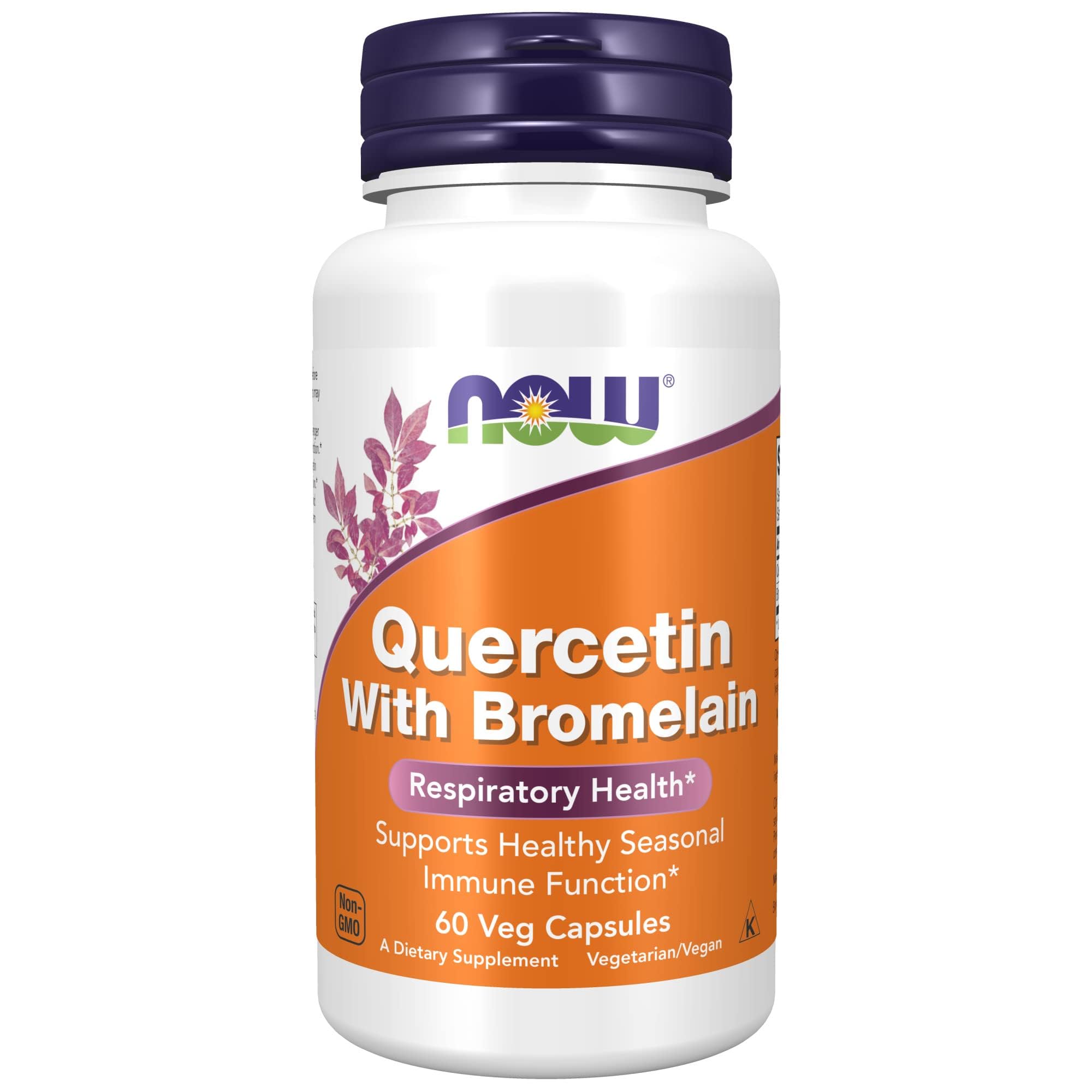
NOW Foods Supplements, Quercetin with Bromelain, Balanced Immune System*, 120 Veg Capsules
Buy NOW Foods Supplements, Quercetin with Bromelain, Balanced Immune System*, 120 Veg Capsules on Amazon.com ✓ FREE SHIPPING on qualified orders

NeilMed Sinus Rinse - A Complete Sinus Nasal Rinse Kit, 50 count (Pack of 1) Count may vary
Buy NeilMed Sinus Rinse - A Complete Sinus Nasal Rinse Kit, 50 count (Pack of 1) Count may vary on Amazon.com ✓ FREE SHIPPING on qualified orders
Evidence & Sources
Supported by multiple clinical trials and systematic reviews
- FDA Prescribing Information / OTC Drug Monographs
- ARIA (Allergic Rhinitis and its Impact on Asthma) Guidelines
- American Academy of Allergy, Asthma & Immunology (AAAAI)
- European Academy of Allergy and Clinical Immunology (EAACI)
- UpToDate reviews on allergic rhinitis and urticaria
- StatPearls: Loratadine
- National Center for Complementary and Integrative Health (NCCIH)
- Cochrane Reviews on antihistamines for allergic conditions
This content is for informational purposes only and does not constitute medical advice. Always consult a qualified healthcare provider before starting, stopping, or changing any supplement or medication regimen.