

Loperamide
Also known as: Imodium, loperimide
Overview
Loperamide is an over-the-counter antidiarrheal medication commonly used to reduce the frequency of loose stools and improve short-term symptom control. It acts primarily in the intestines rather than the brain at standard doses, which is why it has long been used for acute, nonspecific diarrhea and, in some cases, chronic diarrhea under medical supervision. Because diarrhea is a symptom rather than a disease itself, interest in loperamide often overlaps with broader questions about digestive health, food triggers, hydration, infection, inflammation, and microbiome balance.
Diarrhea is extremely common and may arise from many causes, including viral or bacterial infection, food intolerance, medication side effects, irritable bowel syndrome, inflammatory bowel disease, malabsorption, or stress-related digestive changes. In this context, loperamide is generally understood as a symptom-relief tool, not a treatment for every underlying cause. Public interest in alternatives or complementary approaches often reflects a desire to understand why diarrhea is occurring, whether diet or lifestyle factors are contributing, and how the gut may be supported beyond short-term stool suppression.
From a safety standpoint, loperamide has an important place in self-care and clinical practice, but it is not appropriate in every situation. Conventional safety warnings highlight the need for caution when diarrhea is accompanied by high fever, bloody stool, severe abdominal pain, signs of dehydration, or suspected infectious colitis, because slowing gut movement may be inappropriate in some of these settings. There is also substantial medical concern regarding misuse at very high doses, which has been associated with serious cardiac toxicity.
On integrative health platforms, loperamide is often discussed alongside non-pharmacologic strategies such as oral rehydration, temporary dietary modification, identification of food triggers, post-infectious gut recovery, and microbiome-oriented support. Research suggests some complementary approaches may help depending on the cause of diarrhea, but evidence varies widely by population and intervention. A balanced understanding places loperamide within the larger picture of gastrointestinal symptom management, underlying diagnosis, and individualized care guided by qualified healthcare professionals.
Medical Perspectives
Two Ways of Seeing Health

Western
scientific · clinical
Western medicine applies science, technology, and clinical experience to treat symptoms through testing, diagnosis, and targeted intervention.

Eastern
traditional · alternative
Eastern medicine focuses on treating the body naturally by applying traditional knowledge practiced for thousands of years, emphasizing balance and whole-person wellness.
Gold Bamboo presents both perspectives side-by-side so you can make informed decisions. We don't advocate for one over the other — your health choices are yours.
Western Medicine Perspective
Western Medicine Perspective
In conventional medicine, loperamide is classified as a peripherally acting opioid-receptor agonist that slows intestinal motility, increases transit time, and can reduce stool frequency and urgency. It is widely used for symptomatic management of acute diarrhea and may also be used in selected cases of chronic diarrhea when a clinician has evaluated the cause. Its value is largely practical: it may improve comfort, reduce urgency, and help limit fluid loss in uncomplicated situations.
Western medicine generally approaches diarrhea by first considering duration, severity, associated symptoms, and underlying cause. Acute diarrhea is often infectious or food-related and may resolve on its own, while persistent or recurrent diarrhea raises concern for conditions such as irritable bowel syndrome, celiac disease, bile acid malabsorption, medication effects, inflammatory bowel disease, pancreatic insufficiency, or endocrine disorders. In this framework, loperamide is not viewed as a cure but as one option for symptom control while clinicians assess whether further evaluation is needed.
Safety is a major part of the conventional discussion. Product labeling and clinical guidance emphasize caution or avoidance in cases involving bloody diarrhea, suspected dysentery, acute ulcerative colitis flares, certain toxin-mediated infections, or significant abdominal distention, as reduced motility may worsen outcomes in some settings. In addition, regulatory agencies have issued strong warnings about high-dose misuse, especially because supratherapeutic use has been linked to QT prolongation, ventricular arrhythmias, syncope, and sudden death. For this reason, conventional care stresses dose limits, medication review, and medical assessment when symptoms are severe or prolonged.
Alongside medication, standard care often emphasizes oral rehydration therapy, electrolyte replacement, temporary adjustment of diet, and treatment of the underlying cause when identified. In some clinical contexts, evidence supports targeted use of probiotics, especially for certain forms of infectious or antibiotic-associated diarrhea, although results are mixed and strain-specific. Overall, the western model treats loperamide as a useful but limited tool within a broader diagnostic and supportive-care strategy.
Eastern & Traditional Perspective
Eastern and Traditional Medicine Perspective
Traditional systems generally do not frame digestive illness around a single antidiarrheal drug mechanism. Instead, they tend to interpret diarrhea through broader patterns of digestive imbalance, weakened assimilation, dietary incompatibility, stress, environmental exposure, or disrupted intestinal resilience. As a result, an eastern or traditional perspective often focuses less on suppressing stool frequency alone and more on restoring digestive harmony and identifying the pattern behind the symptom.
In Traditional Chinese Medicine (TCM), diarrhea may be discussed in relation to patterns such as Spleen Qi deficiency, dampness, damp-cold, food stagnation, Liver overacting on the Spleen, or Kidney Yang deficiency, depending on the presentation. TCM assessment traditionally considers stool quality, appetite, abdominal sensations, fatigue, emotional state, tongue, and pulse. Therapeutic approaches may include individualized herbal formulas, acupuncture, moxibustion, and dietary patterning intended to support digestive function and reduce the conditions thought to generate loose stools. Research into acupuncture and selected herbal approaches for diarrhea-related disorders exists, but findings vary in quality and are often more robust for symptom clusters such as irritable bowel syndrome than for acute infectious diarrhea.
In Ayurveda, diarrhea may be understood through disturbances in agni (digestive fire), ama (metabolic byproducts associated with incomplete digestion), and doshic imbalance, especially involving Pitta and Vata depending on the pattern. Traditional management may emphasize rest for the digestive system, attention to hydration, simple foods, and botanicals historically used to support gastrointestinal stability. Naturopathic and functional traditions similarly tend to emphasize gut healing, food sensitivities, post-infectious recovery, stress regulation, microbiome support, and mucosal integrity rather than symptom suppression alone.
From an integrative standpoint, these approaches are often most relevant when diarrhea is recurrent, stress-associated, food-triggered, or part of a broader digestive pattern rather than an acute medical emergency. However, traditional methods are also generally understood to require caution when symptoms suggest dehydration, infection, bleeding, or significant systemic illness. A balanced view recognizes that eastern systems may offer useful frameworks for prevention and recovery, while conventional evaluation remains important for ruling out dangerous causes and guiding safe care.
Supplements & Products
Recommended Products
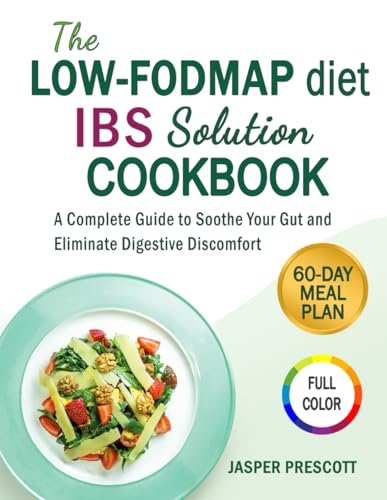
The Low-FODMAP Diet Step by Step: A Personalized Plan to Relieve the Symptoms of IBS and Other Digestive Disorders - with More Than 130 Deliciously Satisfying Recipes: Scarlata, Kate, Wilson, Dede
Her current focus is on the low-FODMAP diet and building FODMAPeveryday.com, where you can learn to THRIVE on the low FODMAP diet. Her most recent book is The Low-FODMAP Diet Step by Step. Kate Scarla

Imodium A-D Fast-Acting Anti-Diarrheal Softgels, Loperamide HCl 2 mg, Travel Essential Diarrhea Relief Medicine for Adults, 24 Count, Anti Diarrhea Pills,Easy to Swallow, for Ages 12+
... Imodium A-D Diarrhea Relief Caplets with Loperamide HCl, Anti-Diarrheal Medicine <strong>to Help Control Symptoms of Diarrhea Due to Acute, Traveler's Diarrhea</strong>, HSA/FSA Eligible, 24

Florastor Daily Probiotic Supplement for Women and Men, Use with Antibiotics, Saccharomyces Boulardii CNCM I-745 (20 Capsule, Pack of 2)
Saccharomyces boulardii lyo CNCM I-745 is shown to help boost your body’s natural production of IgA – an important antibody in your digestive system that helps fight off potentially harmful bacteria.
Evidence & Sources
Promising research with growing clinical support from multiple studies
- U.S. Food and Drug Administration (FDA)
- National Center for Biotechnology Information, StatPearls
- National Institute of Diabetes and Digestive and Kidney Diseases (NIDDK)
- National Center for Complementary and Integrative Health (NCCIH)
- World Health Organization (WHO)
- American College of Gastroenterology
- The New England Journal of Medicine
- Clinical Infectious Diseases
This content is for informational purposes only and does not constitute medical advice. Always consult a qualified healthcare provider before starting, stopping, or changing any supplement or medication regimen.