

Lithium
Also known as: Lithium carbonate, Mood stabilizer, Lithium
Overview
Lithium is a naturally occurring element that, in medicine, is used in carefully controlled pharmaceutical forms as a mood-stabilizing medication. It is most closely associated with the treatment of bipolar disorder, where it has long been used to help reduce the intensity and recurrence of manic and depressive episodes. In psychiatric care, lithium is also recognized for its role in lowering the risk of relapse in some individuals and for its association with reduced suicidal behavior in certain populations. Because of this long clinical history, lithium remains one of the most important agents in mood disorder treatment.
Lithium occupies a distinctive place in mental health care because it is both highly effective for some patients and narrow in its therapeutic range, meaning the difference between a helpful dose and a harmful one can be relatively small. For that reason, its use is typically accompanied by regular monitoring of blood levels and assessment of kidney, thyroid, and metabolic function. This monitoring is a central part of lithium therapy and reflects the medication’s complexity rather than a lack of usefulness.
From a public health perspective, bipolar disorder is a significant cause of disability worldwide, affecting mood, sleep, energy, judgment, and day-to-day functioning. Research has consistently placed lithium among the best-studied maintenance treatments for bipolar disorder, particularly in classic bipolar I presentations with recurrent mania. At the same time, response is variable: some individuals experience substantial long-term stability, while others may not tolerate the medication well or may require different treatment strategies.
Lithium is also of broader scientific interest beyond bipolar disorder. Studies have explored its use in augmentation for treatment-resistant depression, schizoaffective disorder, and related mood conditions, though these applications are more context-dependent. Any discussion of lithium benefits must be balanced with awareness of potential adverse effects, drug interactions, and the need for individualized clinical supervision. As with all psychiatric medications, interpretation of risks and benefits is best made with a qualified healthcare professional familiar with the person’s overall medical and mental health history.
Medical Perspectives
Two Ways of Seeing Health

Western
scientific · clinical
Western medicine applies science, technology, and clinical experience to treat symptoms through testing, diagnosis, and targeted intervention.

Eastern
traditional · alternative
Eastern medicine focuses on treating the body naturally by applying traditional knowledge practiced for thousands of years, emphasizing balance and whole-person wellness.
Gold Bamboo presents both perspectives side-by-side so you can make informed decisions. We don't advocate for one over the other — your health choices are yours.
Western Medicine Perspective
Western Medicine Perspective
In conventional psychiatry, lithium is understood as a foundational mood stabilizer, especially for acute mania and maintenance treatment in bipolar disorder. Although its exact mechanism is not fully resolved, research suggests lithium influences multiple neurobiological pathways, including intracellular signaling, neurotransmitter modulation, circadian regulation, neuroplasticity, and second-messenger systems such as inositol metabolism and glycogen synthase kinase-3 (GSK-3). Rather than acting as a simple sedative or antidepressant, lithium appears to affect broad regulatory systems involved in mood stability.
Clinical evidence indicates lithium can reduce recurrence of manic episodes and may also help prevent depressive relapse in some patients with bipolar disorder. One of its most notable features in the psychiatric literature is its association with reduced suicide risk compared with some alternative treatment approaches. For this reason, many guidelines continue to list lithium as a first-line or highly important option in long-term bipolar management. It is also sometimes used as an augmentation strategy in major depressive disorder when first-line antidepressant therapy has not been sufficient, though this use is more selective.
Because lithium has a narrow therapeutic index, conventional use emphasizes structured monitoring. Blood lithium concentrations are measured periodically, and clinicians commonly assess kidney function, thyroid function, calcium levels, hydration status, and potential medication interactions. Adverse effects may include tremor, increased thirst and urination, gastrointestinal symptoms, weight changes, thyroid dysfunction, and kidney-related concerns with long-term use in some individuals. Toxicity can become serious and may involve neurologic, gastrointestinal, and cardiac effects. Western medicine therefore views lithium as both a highly valuable and high-attention medication whose safe use depends on ongoing medical oversight.
Modern psychiatric practice also recognizes that lithium is not ideal for every patient. Factors such as pregnancy considerations, coexisting kidney disease, dehydration risk, concurrent medications, and prior response patterns all shape decision-making. In this framework, lithium is seen neither as a universal answer nor as an outdated drug, but as a well-established, evidence-supported treatment whose success often depends on careful selection, monitoring, and collaboration between patient and clinician.
Eastern & Traditional Perspective
Eastern/Traditional Medicine Perspective
In Traditional Chinese Medicine (TCM), Ayurveda, and related traditional systems, lithium is not historically framed as a classic herbal or foundational traditional remedy in the way that botanicals, minerals, and dietary therapies are. Instead, mood disorders are generally interpreted through broader patterns of imbalance. In TCM, presentations resembling bipolar spectrum symptoms may be described in terms of disturbances involving the Shen (spirit/mind), phlegm obstruction, Liver qi stagnation, Heart imbalance, or patterns of heat and agitation alternating with depletion. In Ayurveda, severe mood instability may be understood through dysregulation of doshas, particularly disturbances involving Vata and Pitta, alongside effects on mental qualities such as rajas and tamas.
From these perspectives, the emphasis is often less on a single agent and more on pattern-based assessment, constitution, lifestyle rhythms, sleep, digestion, emotional strain, and mind-body balance. Traditional approaches may include herbal formulas, meditation, breathwork, body therapies, sleep regulation practices, and dietary frameworks intended to calm agitation, support grounding, and restore coherence. These systems typically view mood disturbance as multifactorial, involving both mental-emotional and systemic imbalance.
Within integrative care, lithium may be regarded as a conventional pharmaceutical tool that can coexist with traditional frameworks when coordinated carefully. However, traditional practitioners generally recognize that significant mood instability, mania, suicidality, or psychosis requires appropriate medical evaluation, and supportive traditional modalities are not considered substitutes for emergency or specialist psychiatric care. Some integrative clinicians explore complementary practices to support sleep, stress regulation, and treatment adherence alongside conventional medication, but these combinations require attention to safety, interactions, and the seriousness of the underlying condition.
Overall, the eastern/traditional perspective tends to place lithium within a broader story: not as a traditional remedy in itself, but as one element that may be integrated into a wider effort to restore balance, regulation, and resilience. The strength of these systems lies more in their holistic interpretive models and supportive practices than in a traditional evidence base specifically centered on pharmaceutical lithium.
Supplements & Products
Recommended Products
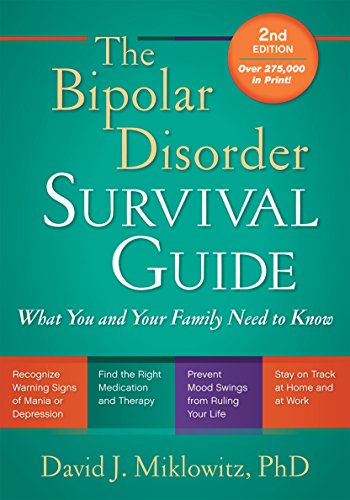
The Bipolar Disorder Survival Guide, Second Edition: What You and Your Family Need to Know
David J. Miklowitz ... This book has been replaced by Bipolar Disorder Survival Guide, Third Edition, <strong>ISBN 978-1-4625-3498-2.</strong>
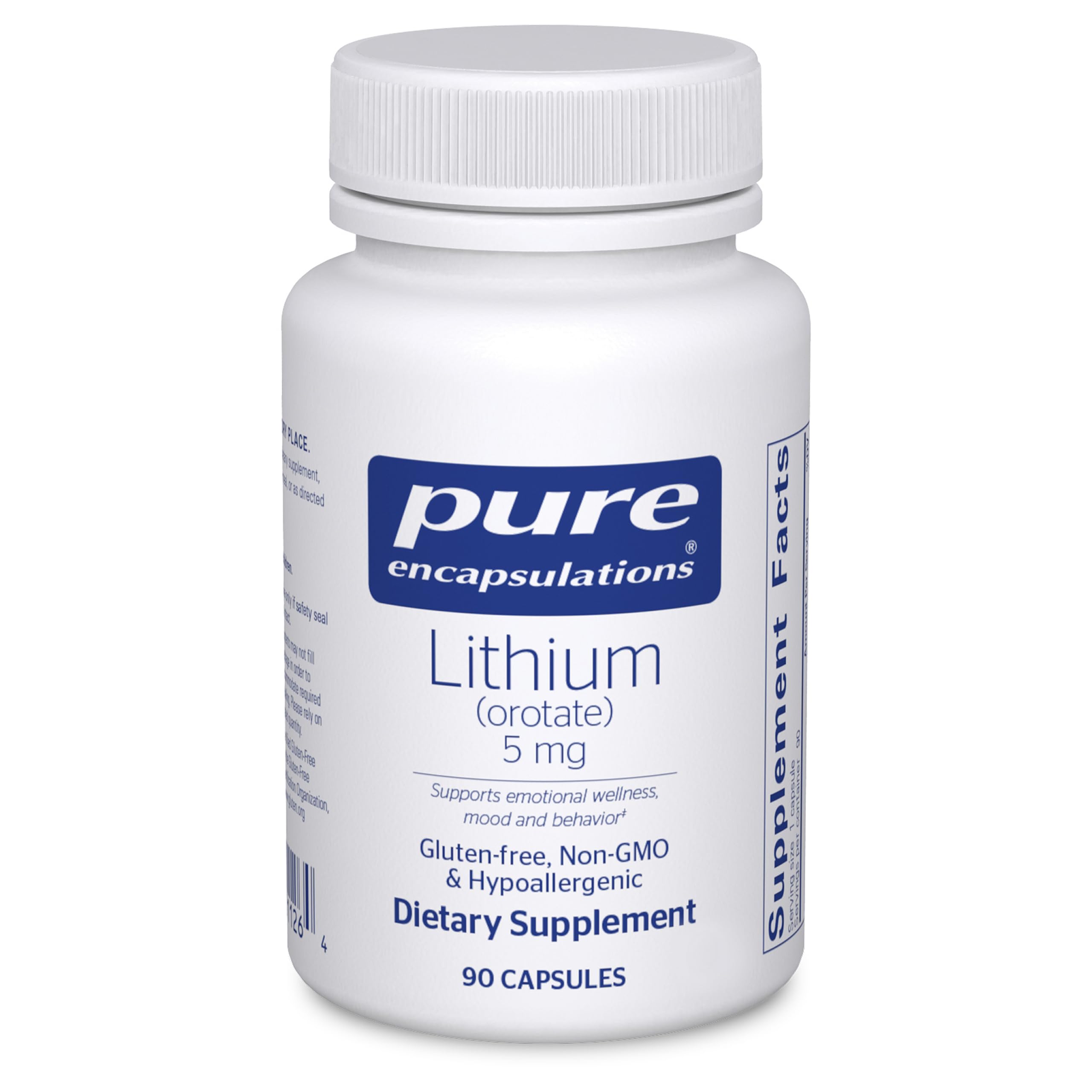
Pure Encapsulations Lithium Orotate 5 mg - Brain Support Supplement - with N-Acetyl-L-Cysteine (NAC) for Memory & Brain Behavior* - Gluten Free & Non-GMO - 90 Capsules
Buy Pure Encapsulations Lithium Orotate 5 mg - Brain Support Supplement - with N-Acetyl-L-Cysteine (NAC) for Memory & Brain Behavior* - Gluten Free & Non-GMO - 90 Capsules on Amazon.com ✓ FREE

7 Day Medicine Pill Organizer, 4 Reminder Alarms, Loud Sound, 14 Large Compartments, Large Screen, Moisture-Proof, Travel Weekly/Daily Pill Box/Organizer/Case/Container/Dispenser, AM/PM 2 Times a Day
【Powerful and Practical】: Come with 7Day(2Times/Day) or 14Day(1Times/Day) pill organizer with reminder alarm, large-screen display, convenient to view the time.
Evidence & Sources
Supported by multiple clinical trials and systematic reviews
- National Institute for Health and Care Excellence (NICE) Guidelines on Bipolar Disorder
- American Psychiatric Association Practice Guideline for the Treatment of Patients With Bipolar Disorder
- National Institute of Mental Health (NIMH)
- Cochrane Database of Systematic Reviews
- The Lancet
- The New England Journal of Medicine
- British Journal of Psychiatry
- World Health Organization (WHO) Mental Health Resources
- National Institute for Health and Care Research / BMJ guideline literature on lithium monitoring
- NCCIH (context on integrative mental health approaches)
This content is for informational purposes only and does not constitute medical advice. Always consult a qualified healthcare provider before starting, stopping, or changing any supplement or medication regimen.