

Lisinopril
Also known as: Prinivil, Zestril, Blood Pressure medication
Overview
Lisinopril is a prescription medication in the class known as angiotensin-converting enzyme (ACE) inhibitors. In conventional care, it is widely used to help manage high blood pressure (hypertension) and heart failure, and it is also commonly included in cardiovascular care after certain heart-related events or in people with conditions involving kidney protection, particularly when high blood pressure or diabetes are present. By affecting the body’s renin-angiotensin-aldosterone system (RAAS), lisinopril helps relax blood vessels and reduce the workload on the heart.
Hypertension is one of the most common chronic health conditions worldwide and a major contributor to stroke, heart attack, kidney disease, and heart failure. Because of this, medications such as lisinopril play an important role in long-term cardiovascular risk reduction. Research over several decades has established ACE inhibitors as a foundational class in modern cardiovascular medicine, especially in patients with coexisting heart or kidney concerns.
Like all medications, lisinopril has potential benefits and risks. Commonly discussed adverse effects include dry cough, dizziness, elevated blood potassium, and changes in kidney function, while rare but serious reactions such as angioedema can occur. Lisinopril is also generally avoided during pregnancy because drugs affecting the RAAS may harm fetal development. Appropriate use depends on the individual’s health history, current medications, kidney status, and blood pressure goals, so clinical monitoring is an important part of care.
From an integrative health standpoint, lisinopril is often viewed as a cornerstone pharmaceutical therapy rather than an herb or supplement-like intervention. On topic pages such as this, the most balanced discussion includes both its strong evidence base in conventional medicine and the way traditional systems may frame the underlying patterns associated with hypertension, fluid imbalance, stress reactivity, or cardiovascular strain. Any discussion of medication use, combinations, or complementary approaches is best situated within care coordinated by a qualified healthcare professional.
Medical Perspectives
Two Ways of Seeing Health

Western
scientific · clinical
Western medicine applies science, technology, and clinical experience to treat symptoms through testing, diagnosis, and targeted intervention.

Eastern
traditional · alternative
Eastern medicine focuses on treating the body naturally by applying traditional knowledge practiced for thousands of years, emphasizing balance and whole-person wellness.
Gold Bamboo presents both perspectives side-by-side so you can make informed decisions. We don't advocate for one over the other — your health choices are yours.
Western Medicine Perspective
Western Medicine Perspective
In Western medicine, lisinopril is understood as an ACE inhibitor that blocks conversion of angiotensin I to angiotensin II, a hormone that normally causes blood vessels to constrict and stimulates aldosterone release. By lowering angiotensin II activity, lisinopril tends to dilate blood vessels, reduce sodium and fluid retention, and lower blood pressure. This mechanism also helps decrease stress on the heart and may slow progression of certain forms of kidney damage. For that reason, it has been extensively studied in hypertension, heart failure, post-myocardial infarction care, and kidney-risk populations.
Clinical guidelines from major organizations such as the American College of Cardiology, American Heart Association, and KDIGO include ACE inhibitors among standard evidence-based options for blood pressure management and for selected patients with heart failure or chronic kidney disease. Studies indicate that in appropriate populations, ACE inhibitors can reduce cardiovascular events, improve heart failure outcomes, and support kidney protection. Lisinopril in particular is a commonly used representative of this class because of its once-daily dosing and long clinical track record.
Conventional safety discussions focus on monitoring for hypotension, kidney function changes, hyperkalemia, cough, and rare angioedema. Lisinopril may interact with other medications that affect potassium, kidney perfusion, or blood pressure. It is also considered contraindicated in pregnancy because of known fetal toxicity associated with RAAS inhibition. In routine practice, clinicians often evaluate blood pressure response along with laboratory markers such as serum creatinine and potassium, especially after starting therapy or changing dose.
From an evidence standpoint, lisinopril is among the better studied cardiovascular medications in everyday practice. While not every patient responds identically, its place in treatment frameworks is supported by large clinical trials, long-term observational experience, and repeated inclusion in professional society guidelines.
Eastern & Traditional Perspective
Eastern and Traditional Medicine Perspective
In Traditional Chinese Medicine (TCM), a medication like lisinopril is not categorized according to ACE inhibition but may be considered within the broader management of patterns associated with elevated blood pressure, dizziness, headaches, edema, or cardiac weakness. Depending on the individual presentation, these patterns might be interpreted through concepts such as Liver yang rising, phlegm-damp accumulation, Kidney deficiency, blood stasis, or Heart qi deficiency. TCM historically addresses these patterns with herbal formulas, acupuncture, dietary regulation, and lifestyle balancing rather than with a direct equivalent to pharmaceutical blood pressure control.
In Ayurveda, symptoms related to hypertension or circulatory strain may be discussed in terms of imbalance involving Vata, Pitta, Kapha, impaired circulation, stress burden, and metabolic dysregulation. Traditional approaches often emphasize constitutional assessment, digestion, nervous system regulation, daily routine, and botanical support. Naturopathic and other traditional systems may likewise frame cardiovascular health through diet, movement, stress physiology, mineral balance, and plant-based therapies. These systems generally seek to understand the terrain contributing to long-term cardiovascular stress rather than reproducing the exact pharmacologic action of lisinopril.
An integrative perspective recognizes that traditional systems may offer supportive frameworks for stress management, dietary quality, sleep, and whole-person care, while conventional medicine provides the primary evidence base for the medication itself. There is limited direct traditional literature on lisinopril because it is a modern pharmaceutical agent. In practice, the key concern is often coordination of care, since some herbs, supplements, or dehydration-promoting practices could theoretically influence blood pressure, kidney function, or potassium balance when used alongside ACE inhibitors.
For this reason, cross-disciplinary care is especially important when combining prescription medications with herbal or traditional therapies. Research on these combinations remains limited, and individualized review by qualified healthcare professionals is important to reduce the risk of adverse interactions or duplicated effects.
Supplements & Products
Recommended Products
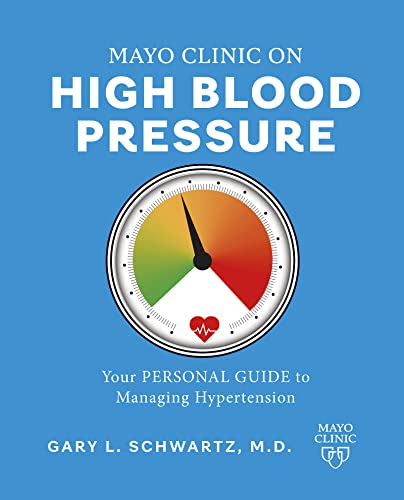
Mayo Clinic on High Blood Pressure: Your personal guide to managing hypertension: Schwartz M.D., Gary L.
Mayo Clinic on High Blood Pressure <strong>offers information and tools to help you keep blood pressure from building to dangerous levels</strong>. By taking specific steps, you can live well with hig

OMRON Platinum Blood Pressure Monitor, Upper Arm Cuff, Digital Bluetooth Blood Pressure Machine, Stores Up To 200 Readings for Two Users (100 readings each) : Everything Else
Buy OMRON Platinum Blood Pressure Monitor, Upper Arm Cuff, Digital Bluetooth Blood Pressure Machine, Stores Up To 200 Readings for Two Users (100 readings each) on Amazon.com ✓ FREE SHIPPING on qualif
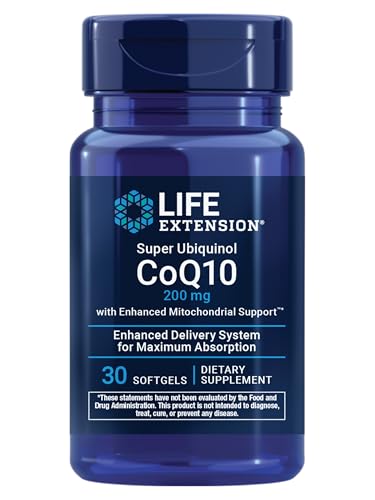
Life Extension Super Ubiquinol CoQ10 with Enhanced Mitochondrial Support™, Heart Health Supplement, Maximum Absorption, 100 mg, Non-GMO, Gluten-Free, 30 softgels
Calories 5 Total Fat 0.5 g Ubiquinol (as Kaneka Ubiquinol™) 100 mg Shilajit fulvic acid complex 100 mg Other ingredients: sunflower oil, gelatin, glycerin, purified water, beeswax, sunflower lecithin,
Evidence & Sources
Supported by multiple clinical trials and systematic reviews
- U.S. Food and Drug Administration (FDA) prescribing information for lisinopril
- American Heart Association (AHA) hypertension and heart failure guidelines
- American College of Cardiology (ACC) clinical practice guidelines
- KDIGO Clinical Practice Guideline for Blood Pressure Management in Chronic Kidney Disease
- The New England Journal of Medicine
- The Lancet
- Journal of the American College of Cardiology
- National Institute of Diabetes and Digestive and Kidney Diseases (NIDDK)
- National Center for Complementary and Integrative Health (NCCIH)
- World Health Organization (WHO) cardiovascular disease resources
This content is for informational purposes only and does not constitute medical advice. Always consult a qualified healthcare provider before starting, stopping, or changing any supplement or medication regimen.