

Levothyroxine
Also known as: Synthroid, Thyroid medication, Levothyroxine
Overview
Levothyroxine is a synthetic form of thyroxine (T4), one of the principal hormones normally produced by the thyroid gland. It is widely used as a thyroid hormone replacement medication for people with hypothyroidism, a condition in which the thyroid does not produce enough hormone to support normal metabolism, energy regulation, temperature balance, cardiovascular function, and many other physiological processes. Levothyroxine is also used in selected settings such as thyroid cancer management and certain cases of goiter or thyroid-stimulating hormone (TSH) suppression, depending on clinical context.
Hypothyroidism is common worldwide, particularly among women, older adults, and people with autoimmune thyroid disease, such as Hashimoto’s thyroiditis. Because thyroid hormone affects nearly every organ system, low levels can be associated with a wide range of symptoms, including fatigue, weight changes, constipation, dry skin, menstrual irregularities, mood changes, slowed heart rate, and cognitive slowing. In more severe or prolonged cases, untreated hypothyroidism can contribute to elevated cholesterol, fertility challenges, cardiovascular strain, and, rarely, life-threatening complications. Levothyroxine plays a central role in conventional care because it is designed to restore circulating thyroid hormone levels and normalize biochemical markers such as TSH.
From a pharmacologic standpoint, levothyroxine is considered a replacement therapy rather than a symptomatic drug. After absorption, it is converted in peripheral tissues into triiodothyronine (T3), the more active thyroid hormone, allowing the body to regulate hormone activity according to tissue needs. Its long half-life supports once-daily dosing in many patients, but absorption can be influenced by food, gastrointestinal conditions, supplements such as calcium or iron, and interactions with other medications. For this reason, consistency in how the medication is taken is often emphasized in medical practice, and thyroid function is typically monitored with laboratory testing.
Although levothyroxine is one of the most commonly prescribed medications globally and is regarded as the standard first-line therapy for hypothyroidism, its use still requires individualized oversight. Some people achieve clear symptom improvement once laboratory values stabilize, while others continue to report fatigue or nonspecific symptoms despite normalized thyroid tests. This has led to ongoing research into treatment targets, absorption issues, combination therapy questions, and the broader relationship between thyroid physiology and quality of life. In all cases, evaluation and monitoring by a qualified healthcare professional remain important, especially because both under-replacement and over-replacement can carry health risks.
Medical Perspectives
Two Ways of Seeing Health

Western
scientific · clinical
Western medicine applies science, technology, and clinical experience to treat symptoms through testing, diagnosis, and targeted intervention.

Eastern
traditional · alternative
Eastern medicine focuses on treating the body naturally by applying traditional knowledge practiced for thousands of years, emphasizing balance and whole-person wellness.
Gold Bamboo presents both perspectives side-by-side so you can make informed decisions. We don't advocate for one over the other — your health choices are yours.
Western Medicine Perspective
Western Medicine Perspective
In conventional medicine, levothyroxine is the established standard treatment for primary hypothyroidism. Clinical guidelines from endocrine societies generally support its use because it reliably restores thyroid hormone availability and, in most patients, normalizes TSH, the main laboratory marker used to assess adequacy of replacement. Western medicine typically understands hypothyroidism as either a failure of the thyroid gland itself—often due to autoimmune destruction, surgery, radioactive iodine treatment, congenital causes, or iodine-related factors—or less commonly as a pituitary or hypothalamic disorder affecting hormone signaling.
Medical management centers on diagnosis, laboratory confirmation, and dose titration. Thyroid testing often includes TSH and free T4, with additional studies such as thyroid peroxidase antibodies in suspected autoimmune thyroiditis. Because levothyroxine has a narrow therapeutic window for some patients, clinicians generally monitor response with repeat blood tests after dose changes and over time once stable. Research and guideline statements indicate that both inadequate dosing and excessive replacement may be problematic: under-treatment may leave hypothyroid symptoms and metabolic effects unresolved, while over-treatment may contribute to atrial fibrillation, bone loss, anxiety, tremor, and other hyperthyroid-like effects, particularly in older adults.
Conventional medicine also recognizes several practical issues in levothyroxine use. Absorption may vary with meal timing, coffee, high-fiber diets, gastrointestinal disorders, proton pump inhibitors, calcium, iron, bile acid sequestrants, and certain other medications. Pregnancy, aging, weight changes, and shifts in estrogen status may alter hormone requirements. In thyroid cancer care, levothyroxine may also be used strategically for TSH suppression, where the goal differs from routine replacement. While most major guidelines continue to favor levothyroxine monotherapy over routine T3-containing regimens, studies continue to explore why some patients report persistent symptoms despite biochemical normalization.
Overall, the western perspective views levothyroxine as a well-established, evidence-supported hormone replacement that is highly effective when appropriately monitored. At the same time, it emphasizes that symptom interpretation can be complex, and coexisting conditions such as anemia, sleep disorders, depression, autoimmune disease, or medication interactions may influence how patients feel even when thyroid lab values appear controlled.
Eastern & Traditional Perspective
Eastern / Traditional Medicine Perspective
In Traditional Chinese Medicine (TCM), Ayurveda, and other traditional systems, a medication such as levothyroxine is not typically understood solely through the lens of hormone replacement. Instead, symptoms associated with hypothyroidism may be interpreted as patterns of imbalance involving low metabolic fire, deficiency states, sluggish transformation, fluid retention, fatigue, and impaired circulation or vitality. In TCM, presentations resembling hypothyroid states are sometimes discussed in relation to patterns such as Spleen Yang deficiency, Kidney Yang deficiency, Qi deficiency, or phlegm-damp accumulation, depending on the person’s overall constitution and symptom pattern. Traditional approaches often focus on restoring systemic balance rather than targeting one laboratory value.
In Ayurveda, symptoms that overlap with hypothyroidism may be framed in terms of Kapha aggravation, reduced Agni (digestive/metabolic fire), and in some cases Vata involvement contributing to fatigue, dryness, constipation, or mental dullness. Traditional Ayurvedic management may emphasize broader themes such as digestion, daily rhythm, stress resilience, nourishment, and individualized constitutional assessment. In naturopathic and integrative frameworks, thyroid function may also be viewed in connection with nutrient status, gut health, stress physiology, inflammation, and autoimmunity, though the quality of evidence for many adjunctive approaches varies.
From an eastern and integrative standpoint, levothyroxine may be regarded as an important part of modern biomedical care for documented hormone deficiency, while traditional systems may aim to contextualize the condition within a wider pattern of imbalance. Research on acupuncture, mind-body practices, and dietary pattern support in people with thyroid-related symptoms is still limited and mixed, and these approaches are generally considered adjunctive rather than replacements for medically supervised hormone therapy. Traditional systems often place strong emphasis on individualized assessment, but any complementary approach is best considered in coordination with a knowledgeable healthcare professional, particularly because thyroid hormone status is monitored through laboratory testing and medication interactions may matter.
Overall, eastern and traditional perspectives contribute a whole-person framework—addressing energy, digestion, resilience, and constitutional patterning—while conventional medicine provides the primary evidence-based model for direct thyroid hormone replacement. For many individuals, integrative discussions center less on replacing levothyroxine and more on understanding broader factors that may shape symptom burden and quality of life.
Supplements & Products
Recommended Products

Living Well with Hypothyroidism: What Your Doctor Doesn't Tell You... That You Need to Know (Revised Edition): Shomon, Mary J.
Which alternative and holistic therapies, nutritional changes, and supplements may help treat hypothyroidism? Diagnosed with a thyroid disease in 1995, Mary J. Shomon has transformed her health challe
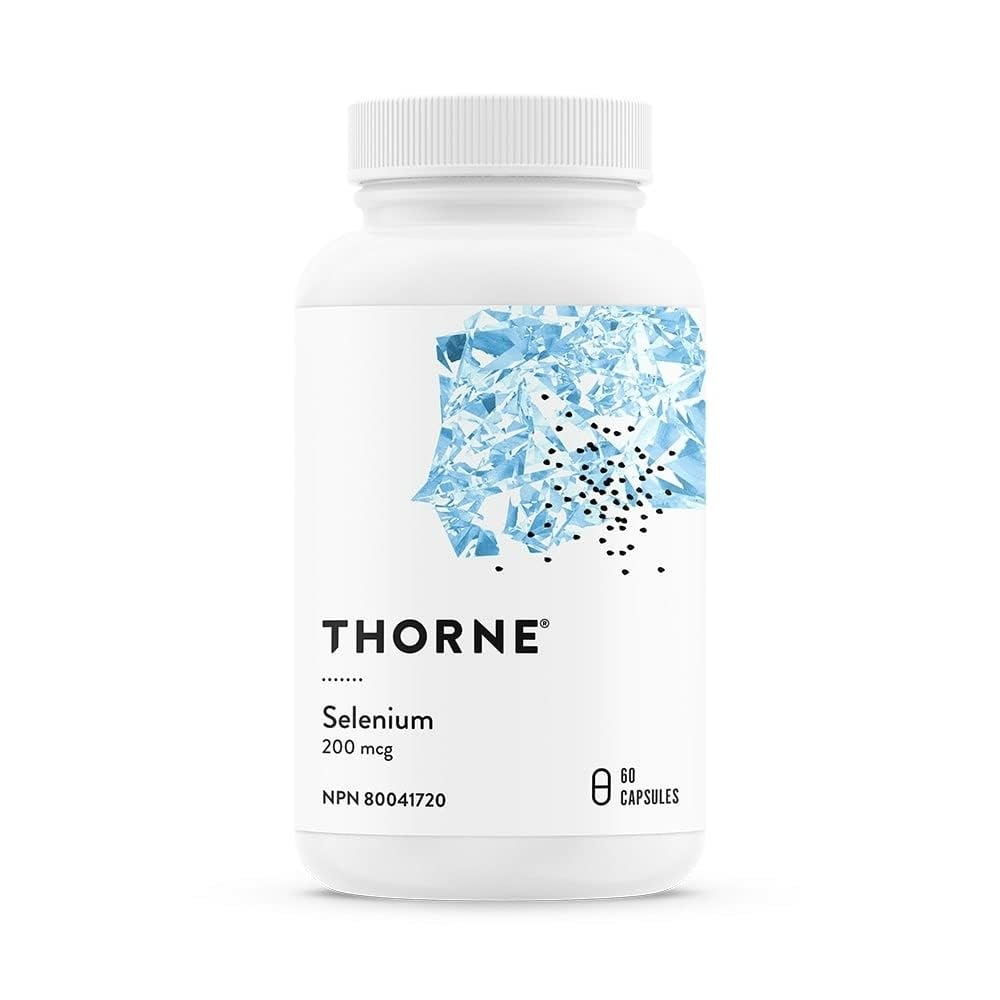
THORNE - Selenium - 200 mcg Selenium Supplement for Antioxidant Support* - 60 Capsules : Everything Else
One Capsule Contains: Selenium (as L-Selenomethionine) 200 mcg.

EZY DOSE Push Button (7-Day) Pill Case, Medicine Planner, Daily Vitamin Organizer, 2 Times a Day AM/PM, X-Large Compartments, Arthritis Friendly, Easy to use, Clear Lids, Purple and Blue, BPA Free
Designed for ease, visibility, ... your medications, supplements, or vitamins twice a day with <strong>two clearly marked compartments (AM/PM) for each day of the week</strong>....
Evidence & Sources
Supported by multiple clinical trials and systematic reviews
- American Thyroid Association Guidelines
- The New England Journal of Medicine
- The Journal of Clinical Endocrinology & Metabolism
- American Association of Clinical Endocrinology (AACE)
- National Institute of Diabetes and Digestive and Kidney Diseases (NIDDK)
- NCCIH (National Center for Complementary and Integrative Health)
- British Thyroid Association
- European Thyroid Journal
This content is for informational purposes only and does not constitute medical advice. Always consult a qualified healthcare provider before starting, stopping, or changing any supplement or medication regimen.