

Leukotriene Receptor Antagonists
Also known as: LTRAs, leukotriene blockers, Singulair class
Overview
Leukotriene receptor antagonists (LTRAs) are a class of medications that block the effects of leukotrienes, inflammatory signaling molecules involved in airway narrowing, mucus production, swelling, and allergic responses. The best-known medication in this category is montelukast, with zafirlukast and pranlukast also used in some regions. These medicines are most commonly associated with asthma, allergic rhinitis, and certain forms of exercise-related or aspirin-exacerbated respiratory symptoms.
Leukotrienes are produced through the arachidonic acid pathway and play a recognized role in chronic airway inflammation. Because of this mechanism, LTRAs are typically discussed in settings where inflammation and bronchial hyperreactivity are central concerns. Compared with rescue inhalers, they are not designed for immediate symptom relief; instead, they are generally used as controller medications within broader respiratory care plans. Their oral dosing has made them of interest to people comparing medication-based approaches with dietary, botanical, or lifestyle strategies for allergy and respiratory support.
In clinical practice, LTRAs occupy a more selective and situational role than some first-line therapies. Research suggests they may be helpful for some individuals with mild persistent asthma, coexisting allergic rhinitis, or exercise-induced bronchoconstriction, but they are often considered less effective than inhaled corticosteroids for preventing asthma exacerbations and controlling persistent airway inflammation. Their role in allergies is also narrower than that of standard antihistamines or intranasal corticosteroids for many patients.
An important aspect of this topic is safety. While LTRAs are generally well known and widely prescribed, montelukast in particular carries significant safety discussion, including an FDA boxed warning regarding serious neuropsychiatric events. This has influenced how clinicians weigh risks and benefits, especially when symptoms are mild or when alternative options exist. As with any medication topic, the most appropriate interpretation depends on the person’s diagnosis, symptom pattern, age, other medications, and guidance from a qualified healthcare professional.
Medical Perspectives
Two Ways of Seeing Health

Western
scientific · clinical
Western medicine applies science, technology, and clinical experience to treat symptoms through testing, diagnosis, and targeted intervention.

Eastern
traditional · alternative
Eastern medicine focuses on treating the body naturally by applying traditional knowledge practiced for thousands of years, emphasizing balance and whole-person wellness.
Gold Bamboo presents both perspectives side-by-side so you can make informed decisions. We don't advocate for one over the other — your health choices are yours.
Western Medicine Perspective
Western Medicine Perspective
From a conventional medicine standpoint, leukotriene receptor antagonists work by blocking the cysteinyl leukotriene receptor (primarily CysLT1), thereby reducing the downstream effects of leukotrienes such as bronchoconstriction, vascular permeability, mucus secretion, and eosinophilic inflammation. This mechanism makes them relevant to diseases where leukotrienes contribute to chronic inflammatory activity, especially asthma and allergic rhinitis. They are generally taken orally and are considered maintenance therapy rather than rescue treatment.
Current guidelines and reviews generally place LTRAs as an alternative or add-on option rather than the strongest first-line anti-inflammatory therapy for most persistent asthma. Studies indicate that inhaled corticosteroids usually provide superior control of symptoms, lung function, and exacerbation prevention in many patients. However, LTRAs may have value in specific scenarios, including individuals with concomitant allergic rhinitis, exercise-induced bronchoconstriction, or aspirin-exacerbated respiratory disease, and in situations where inhaled therapy is difficult to use consistently.
For allergic rhinitis, evidence suggests LTRAs can improve some nasal symptoms, but they are generally viewed as less effective than intranasal corticosteroids and often comparable to or less effective than some antihistamine-based approaches depending on the outcome measured. In pediatric use, they have been studied extensively, but safety monitoring has become more prominent due to concerns about mood, sleep, and behavior changes, particularly with montelukast. Regulatory agencies and professional societies now emphasize careful risk-benefit assessment and informed discussion when these medications are considered.
Adverse effects are often mild, such as headache or gastrointestinal symptoms, but the major modern concern is the potential for neuropsychiatric adverse events, which has altered prescribing patterns and patient counseling. Western medicine therefore views LTRAs as useful but not universally preferred tools: biologically plausible, clinically established for certain indications, and supported by guideline-based use in selected patients, while requiring attention to comparative efficacy and safety.
Eastern & Traditional Perspective
Eastern / Traditional Medicine Perspective
In Traditional Chinese Medicine (TCM) and related East Asian systems, medications such as leukotriene receptor antagonists are not traditionally categorized by receptor pharmacology but by their observed effect on patterns of illness such as Wheezing (Xiao Chuan), Cough, Phlegm accumulation, and external influences often described as Wind, Cold, Heat, or Dryness affecting the Lung system. From this viewpoint, an LTRA might be understood functionally as something that helps reduce the reactivity associated with constrained Lung qi, phlegm, or inflammatory-type airway patterns, even though the medication itself is modern and outside classical materia medica.
TCM assessment typically distinguishes between patterns such as phlegm-heat obstructing the Lung, wind-cold attacking the Lung, or underlying constitutional tendencies involving the Spleen, Kidney, or Lung systems. In that framework, respiratory symptoms are rarely seen as a single disease entity; instead, they reflect a broader imbalance that may include digestion, sleep, stress reactivity, and environmental sensitivity. Traditional approaches therefore often emphasize pattern-based care using herbal formulas, acupuncture, breathing practices, and dietary regulation, while recognizing that pharmaceuticals may still play a role in contemporary integrative management.
In Ayurveda, asthma- and allergy-like conditions may be discussed in relation to imbalances involving Prana Vata, Kapha accumulation, and inflammatory processes that resemble aggravated Pitta in some presentations. The emphasis is often on reducing triggers, supporting respiratory resilience, and improving systemic balance rather than blocking a single inflammatory pathway. Similarly, naturopathic and integrative medicine frameworks may discuss leukotriene pathways alongside nutrition, environmental exposures, microbiome factors, and immune modulation, particularly in people seeking a broader explanation for chronic allergic or reactive airway symptoms.
The eastern and traditional perspective does not generally treat LTRAs as a substitute for constitutional or pattern-based care; rather, these medications may be viewed as symptom- and pathway-focused modern tools within a larger picture. Evidence for combining traditional approaches with standard respiratory management is growing in some areas, but it remains variable in quality. Because asthma and allergic respiratory disease can become serious, traditional systems are typically discussed most responsibly in collaboration with qualified healthcare professionals who can integrate safety, diagnosis, and monitoring.
Supplements & Products
Recommended Products

The Allergy Solution: Unlock the Surprising, Hidden Truth About Why You Are Sick and How to Get Well: Galland, Leo, M.D., Galland, Jonathan
In this groundbreaking book, award-winning doctor Leo Galland, M.D., <strong>reveals the shocking rise of hidden allergies that lead to weight gain, fatigue, brain fog, depression, joint pain, headach
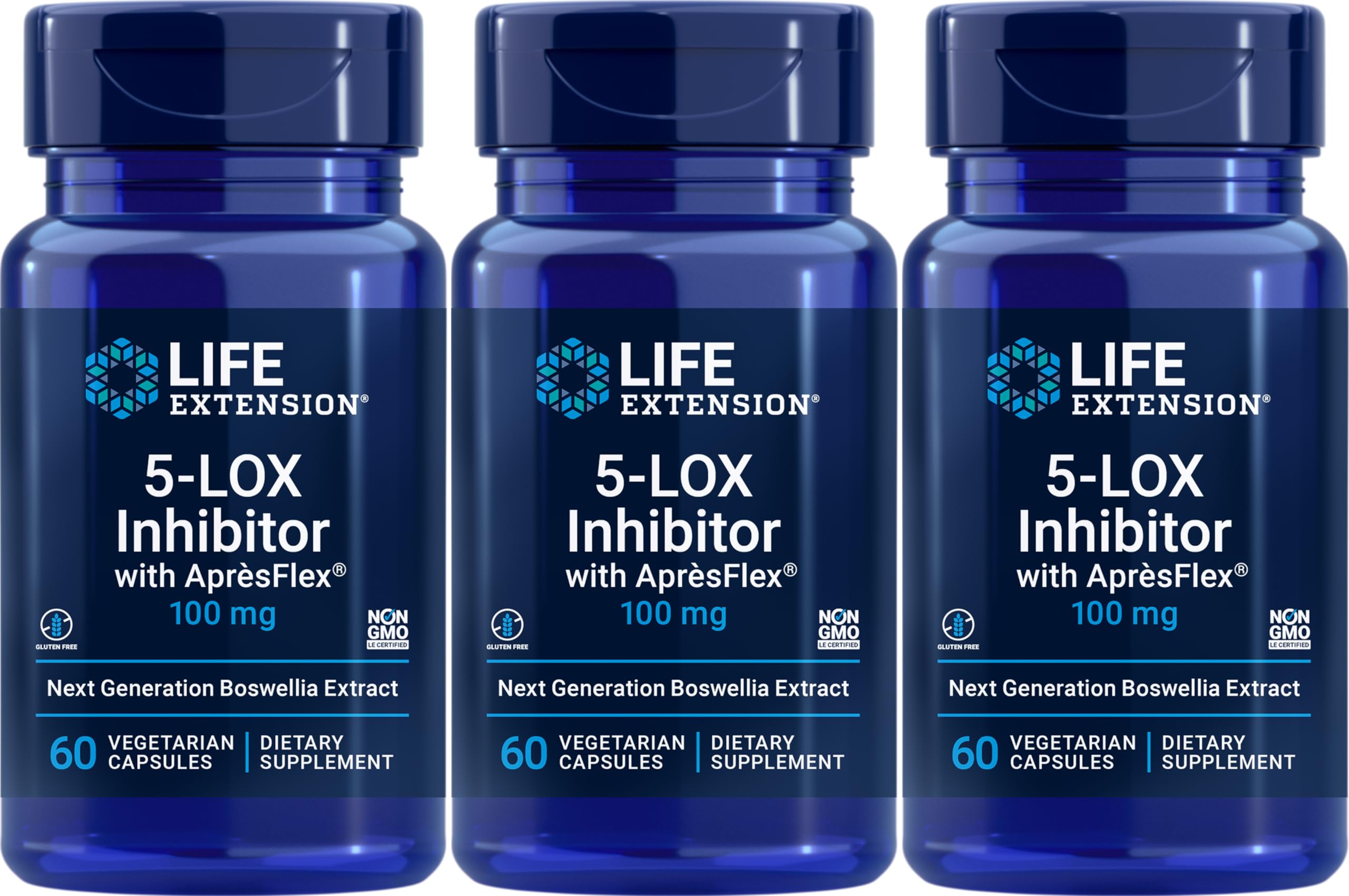
Life Extension 5-LOX Inhibitor with AprèsFlex 100 mg, 60 Vegetarian Capsules (Pack of 3)
Life Extension 5-Lox Inhibitor with Apresflex 100 mg - 60 Vegetarian Capsules (Pack of 3).

NOW Foods Supplements, Quercetin with Bromelain, Balanced Immune System*, 120 Veg Capsules
Buy NOW Foods Supplements, Quercetin with Bromelain, Balanced Immune System*, 120 Veg Capsules on Amazon.com ✓ FREE SHIPPING on qualified orders
Evidence & Sources
Supported by multiple clinical trials and systematic reviews
- Global Initiative for Asthma (GINA)
- U.S. Food and Drug Administration (FDA)
- National Heart, Lung, and Blood Institute (NHLBI)
- Allergy
- Journal of Allergy and Clinical Immunology
- Cochrane Database of Systematic Reviews
- Annals of Allergy, Asthma & Immunology
- National Center for Complementary and Integrative Health (NCCIH)
This content is for informational purposes only and does not constitute medical advice. Always consult a qualified healthcare provider before starting, stopping, or changing any supplement or medication regimen.