

Hydrocodone
Also known as: Vicodin, Pain reliever, Hydrocodone
Overview
Hydrocodone is a semi-synthetic opioid analgesic used in conventional medicine to help manage moderate to severe pain. It is also found in some combination products used for cough suppression, although its pain-relief role is the more prominent clinical use. Hydrocodone acts on the central nervous system, primarily through mu-opioid receptor activity, which can reduce the perception of pain but also carries important risks, including sedation, constipation, tolerance, physical dependence, misuse, and overdose. In many countries, especially the United States, hydrocodone has been a widely prescribed opioid, making it a significant part of discussions around both pain management and the broader opioid epidemic.
Hydrocodone is commonly available in combination formulations, such as with acetaminophen, and in some settings as extended-release formulations for longer-lasting pain control. Because it is an opioid, its use is generally framed within careful risk-benefit assessment. Research and public health data indicate that opioid medications can provide meaningful short-term pain relief for some patients, but they also pose substantial risks when used outside closely monitored medical settings or for prolonged periods. Important adverse effects may include respiratory depression, impaired alertness, nausea, itching, hormonal effects with long-term use, and the development of opioid use disorder in susceptible individuals.
Hydrocodone also has broader relevance because it illustrates a major challenge in modern medicine: balancing the legitimate need for pain relief with the need to reduce medication-related harm. Conventional medicine typically evaluates hydrocodone in the context of pain severity, prior treatments, functional goals, coexisting conditions, and risk factors for substance use or overdose. Public health authorities emphasize careful prescribing, secure storage, and clinician oversight, especially when hydrocodone is used alongside other central nervous system depressants such as benzodiazepines or alcohol.
From an educational standpoint, hydrocodone is best understood not simply as a pain medicine, but as a high-risk, high-impact medication class representative. It is clinically important, well studied, and deeply relevant to discussions of pain, addiction medicine, pharmacology, and integrative care. Any questions about its use, side effects, interactions, or tapering are generally most appropriately addressed with a licensed healthcare professional familiar with the individual clinical context.
Medical Perspectives
Two Ways of Seeing Health

Western
scientific · clinical
Western medicine applies science, technology, and clinical experience to treat symptoms through testing, diagnosis, and targeted intervention.

Eastern
traditional · alternative
Eastern medicine focuses on treating the body naturally by applying traditional knowledge practiced for thousands of years, emphasizing balance and whole-person wellness.
Gold Bamboo presents both perspectives side-by-side so you can make informed decisions. We don't advocate for one over the other — your health choices are yours.
Western Medicine Perspective
Western Medicine Perspective
In conventional medicine, hydrocodone is understood as an opioid that changes how the brain and spinal cord process pain signals. It is typically considered when pain is significant enough that non-opioid options may be insufficient or inappropriate, though modern guidelines increasingly encourage clinicians to weigh opioid therapy cautiously. Evidence suggests that opioids, including hydrocodone, may help certain forms of acute pain and selected cases of severe pain, but long-term benefit for many chronic non-cancer pain conditions is more limited and remains an area of careful debate. As a result, contemporary practice generally places strong emphasis on individualized assessment, duration of use, functional outcomes, and ongoing monitoring.
Western medical literature also focuses heavily on safety. Hydrocodone carries boxed and major warnings related to addiction, abuse, misuse, life-threatening respiratory depression, neonatal opioid withdrawal syndrome, and risks from combined use with benzodiazepines or other sedatives. Combination products containing acetaminophen raise an additional concern regarding liver toxicity if cumulative acetaminophen exposure becomes excessive. Clinicians also consider age, sleep apnea, kidney or liver impairment, pregnancy, mental health history, and prior substance use history when evaluating opioid-associated risk.
From a public health perspective, hydrocodone is closely linked to opioid stewardship. Agencies such as the CDC, FDA, and NIH emphasize careful prescribing practices, patient education, and monitoring for signs of misuse or opioid use disorder. Research supports the use of multimodal pain strategies in many settings, combining pharmacologic and nonpharmacologic approaches where appropriate. In this model, hydrocodone is not viewed as a stand-alone answer to pain, but as one medication within a broader clinical framework that may include rehabilitation, behavioral support, interventional approaches, or non-opioid therapies depending on the diagnosis and context.
Eastern & Traditional Perspective
Eastern and Traditional Medicine Perspective
In Traditional Chinese Medicine (TCM) and related East Asian frameworks, pain is often interpreted through patterns such as qi stagnation, blood stasis, cold obstruction, damp accumulation, or deficiency of underlying organ systems. Hydrocodone itself is not a traditional remedy and does not have a classical role in TCM materia medica. However, from an integrative perspective, a patient using hydrocodone for pain may also be understood according to an underlying imbalance pattern that traditional practitioners would seek to characterize more holistically. In that context, the focus is often less on suppressing pain alone and more on understanding why pain persists within the larger functional picture of the body.
Traditional systems such as Ayurveda may frame chronic pain in terms of disturbed vata, inflammation, tissue depletion, impaired digestion/metabolism, or channel obstruction, depending on symptom pattern and constitution. Naturopathic and other traditional or complementary models often emphasize the multifactorial nature of pain, including sleep, stress, movement, digestion, and systemic inflammation. These frameworks generally do not treat hydrocodone as a healing substance in itself, but rather as a modern pharmaceutical that may temporarily alter symptom experience while leaving the deeper pattern unchanged.
Integrative medicine discussions sometimes examine whether nonpharmacologic modalities such as acupuncture, mind-body practices, manual therapies, or traditional herbal systems may play supportive roles in broader pain care. Research into some of these modalities is growing, but evidence quality varies considerably by condition and intervention. Importantly, traditional practitioners generally recognize that opioid medications involve significant physiologic effects and safety considerations, so any attempt to combine conventional and traditional approaches is typically best discussed within coordinated, qualified professional care. In this sense, Eastern perspectives tend to contribute a pattern-based, whole-person lens rather than a direct traditional analogue to hydrocodone itself.
Supplements & Products
Recommended Products
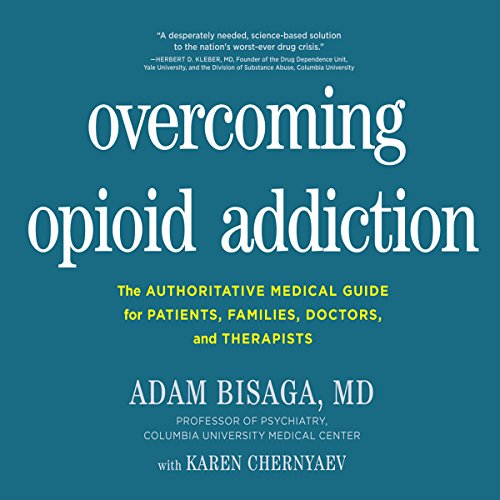
Overcoming Opioid Addiction: The Authoritative Medical Guide for Patients, Families, Doctors, and Therapists: Bisaga, Adam, Chernyaev, Karen, McLellan, Thomas
Adam Bisaga <strong>brings the insight and perspective developed as a practicing physician treating opioid addicted patients to the fight against this disease</strong>. A necessary guide for all peopl

NARCAN Nasal Spray 4 mg, Emergency Treatment of Opioid Overdose, 2 Single-Dose Devices
NARCAN Nasal Spray 4mg (2 Single-Dose Devices) + Convenience Kit with Medical Grade Components | Quick Access Bundle to Aid in an Emergency · WNL Products 5000NMT Nasal Med Trainer, Naloxone Training

Vaultz Medicine Safe Case w/Combination Lock - Pack of 1 Cases, 8.35 x 5 x 2.5" - Black : Storage File Boxes
<strong>This locked case has an easy-to-use number combination locking device for an added layer of security</strong>. NOT FOR CHILDREN - Please note that this locking medicine box is durable, but not
Evidence & Sources
Supported by multiple clinical trials and systematic reviews
- U.S. Food and Drug Administration (FDA)
- Centers for Disease Control and Prevention (CDC) Clinical Practice Guideline for Prescribing Opioids for Pain
- National Institute on Drug Abuse (NIDA)
- National Center for Complementary and Integrative Health (NCCIH)
- New England Journal of Medicine
- JAMA
- Cochrane Reviews
- StatPearls
This content is for informational purposes only and does not constitute medical advice. Always consult a qualified healthcare provider before starting, stopping, or changing any supplement or medication regimen.