

Hydrochlorothiazide
Also known as: HCTZ, Water pill, Hydrochlorothiazide
Hydrochlorothiazide: Overview
Hydrochlorothiazide is a prescription thiazide diuretic commonly used in conventional medicine to help manage high blood pressure (hypertension) and fluid retention (edema). It works primarily by increasing the excretion of sodium and water through the kidneys, which can reduce circulating fluid volume and, over time, support blood pressure control. It has been used for decades and remains one of the best-known medications in its class, either as a standalone drug or in combination with other antihypertensive agents.
Its clinical importance is tied to the high global burden of hypertension and cardiovascular disease. Elevated blood pressure is a major risk factor for heart attack, stroke, heart failure, and kidney disease, and thiazide-type diuretics have historically played a central role in first-line treatment strategies. Hydrochlorothiazide is also used in some cases of swelling related to conditions such as heart failure, liver disease, kidney disorders, or medication-associated fluid retention, although the broader treatment plan depends on the underlying cause.
Like many medications, hydrochlorothiazide has a well-characterized benefit-risk profile. Research and long-term clinical experience indicate that it can be effective for lowering blood pressure, but its use may also be associated with electrolyte changes such as low potassium, low sodium, and altered magnesium or calcium balance, as well as increased uric acid and changes in blood sugar in some individuals. Other recognized considerations include dehydration, dizziness, photosensitivity, and interactions with other medicines. Because of these factors, its use is typically monitored within a broader medical assessment rather than viewed in isolation.
From an integrative health perspective, hydrochlorothiazide is a conventional pharmaceutical therapy, not an herbal or traditional remedy. However, many patients using it also explore nutrition, mind-body practices, traditional systems of medicine, or lifestyle-based approaches related to cardiovascular health. In those settings, it is important that any complementary approach be understood as part of a coordinated care plan, since combining therapies may affect hydration status, blood pressure, kidney function, or mineral balance. Consultation with a qualified healthcare professional is important when medication and complementary strategies intersect.
Medical Perspectives
Two Ways of Seeing Health

Western
scientific · clinical
Western medicine applies science, technology, and clinical experience to treat symptoms through testing, diagnosis, and targeted intervention.

Eastern
traditional · alternative
Eastern medicine focuses on treating the body naturally by applying traditional knowledge practiced for thousands of years, emphasizing balance and whole-person wellness.
Gold Bamboo presents both perspectives side-by-side so you can make informed decisions. We don't advocate for one over the other — your health choices are yours.
Western Medicine Perspective
Western Medicine Perspective
In conventional medicine, hydrochlorothiazide is classified as a thiazide diuretic. Its main mechanism involves reducing sodium reabsorption in the distal convoluted tubule of the kidney, leading to increased urinary excretion of sodium and water. This short-term reduction in fluid volume can help lower blood pressure, while longer-term effects are thought to include changes in peripheral vascular resistance. Clinical guidelines have long included thiazide or thiazide-like diuretics among standard pharmacologic options for hypertension, especially because of their broad availability, low cost, and extensive history of use.
Hydrochlorothiazide is most commonly discussed in the context of hypertension and edema. In hypertension management, it may be used alone or combined with agents such as ACE inhibitors, ARBs, or beta blockers. In edema, the conventional approach focuses on identifying the cause of fluid buildup and selecting therapy accordingly. Monitoring is an important part of care because adverse effects may include hypokalemia, hyponatremia, dehydration, elevated uric acid, impaired glucose tolerance, dizziness, and kidney-related changes in susceptible patients. Certain populations, including older adults and those with kidney disease, gout, diabetes, or multiple medications, may require closer supervision. Research has also examined whether some thiazide-like agents may differ from hydrochlorothiazide in potency or outcome effects, which remains an active point of clinical discussion.
The evidence base for hydrochlorothiazide is substantial in terms of blood pressure lowering and long-standing clinical use, although some contemporary comparative studies suggest that not all drugs in the thiazide category perform identically for every cardiovascular outcome. As with any prescription medication, its role is best understood within individualized medical evaluation, ongoing monitoring, and evidence-based guideline frameworks.
Eastern & Traditional Perspective
Eastern and Traditional Medicine Perspective
Traditional systems such as Traditional Chinese Medicine (TCM) and Ayurveda do not historically describe hydrochlorothiazide itself, because it is a modern pharmaceutical rather than a traditional preparation. Instead, these systems interpret symptoms such as swelling, water retention, headaches, dizziness, or vascular tension through their own frameworks. In TCM, fluid retention may be discussed in relation to patterns involving dampness, phlegm, spleen dysfunction, kidney imbalance, or impaired water metabolism, while elevated blood pressure may be viewed through diverse patterns involving liver yang rising, phlegm-damp accumulation, yin deficiency, or qi stagnation depending on the individual presentation.
In Ayurveda, comparable concerns may be framed through imbalances in doshas, altered fluid handling, impaired digestion or metabolism, and strain on channels of circulation. Naturopathic and holistic traditions may place emphasis on broader contributors such as stress, diet, activity, sleep, and constitutional tendencies. These systems generally aim to understand the pattern behind the symptoms rather than focusing only on a disease label or a single physiological pathway.
From an integrative standpoint, traditional practitioners often regard pharmaceutical diuretics as part of the patient’s current therapeutic landscape rather than as substitutes for traditional modalities. Caution is especially relevant because herbal formulas, minerals, sauna practices, fasting approaches, or other therapies that influence fluid balance, blood pressure, or electrolytes could theoretically intensify the physiological effects associated with a diuretic medication. For that reason, coordination between conventional and traditional clinicians is important when patients are using both medication and complementary therapies.
Supplements & Products
Recommended Products
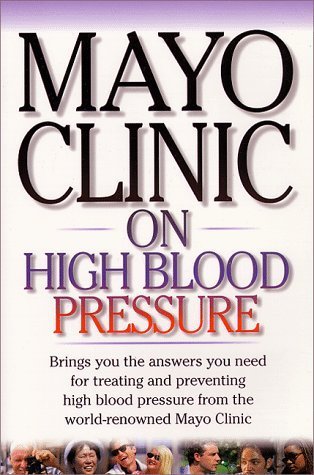
Mayo Clinic on High Blood Pressure: Sheps, Sheldon G.
Mayo Clinic on High Blood Pressure [Sheps, Sheldon G.] on Amazon.com. *FREE* shipping on qualifying offers. Mayo Clinic on High Blood Pressure
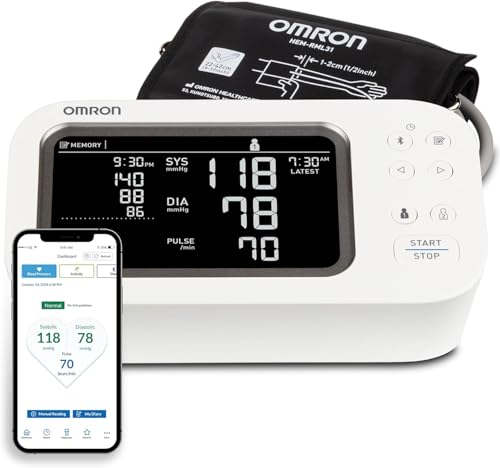
OMRON Platinum Blood Pressure Monitor for Home Use & Upper Arm Blood Pressure Cuff - #1 Doctor & Pharmacist Recommended Brand - Clinically Validated - AFib Detection - Connect App
CONFIDENCE IN EVERY READING: Monitor your heart health with the OMRON Platinum Upper Arm Blood Pressure Monitor's <strong>Advanced Accuracy with AFib Detection Technology</strong>; Store up to 10
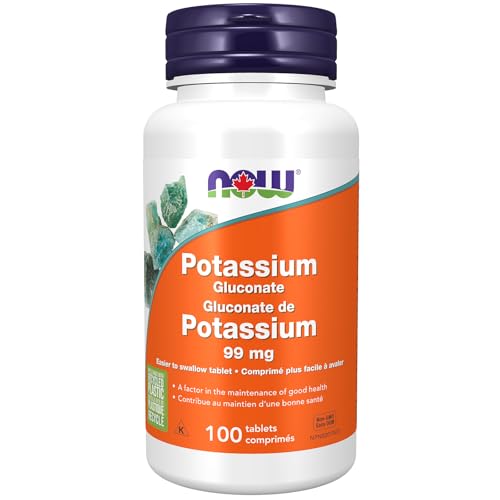
NOW Foods Supplements, Potassium Gluconate 99mg, Easier to Swallow, Essential Mineral*, 100 Tablets
Supplement FactsServing Size:1 ... 99 mg 2% Other Ingredients: <strong>Microcrystalline Cellulose, Stearic Acid (vegetable source), Silicon Dioxide and Magnesium Stearate (vegetable source).</strong>.
Evidence & Sources
Supported by multiple clinical trials and systematic reviews
- American Heart Association
- 2017 ACC/AHA Guideline for the Prevention, Detection, Evaluation, and Management of High Blood Pressure in Adults
- JNC 8 Guideline (JAMA)
- StatPearls
- DailyMed
- Cochrane Database of Systematic Reviews
- New England Journal of Medicine
- National Institute for Health and Care Excellence (NICE)
This content is for informational purposes only and does not constitute medical advice. Always consult a qualified healthcare provider before starting, stopping, or changing any supplement or medication regimen.