

Hormone Replacement Therapy
Also known as: HRT, Menopause treatment, Hormone therapy
Overview
Hormone Replacement Therapy (HRT) refers to the use of hormones—most commonly estrogen alone or estrogen combined with a progestogen—to address symptoms and physiologic changes associated with menopause. It is most often discussed in the context of menopausal hormone therapy, where declining ovarian hormone production can contribute to hot flashes, night sweats, sleep disruption, vaginal dryness, mood changes, and accelerated bone loss. In people who have had a hysterectomy, estrogen may be used alone, while those with an intact uterus are generally prescribed a progestogen alongside estrogen to reduce the risk of endometrial overgrowth.
HRT has played a major role in menopause care for decades, but its public perception has shifted over time as large studies clarified both its benefits and risks. Current understanding is more nuanced than earlier debates suggested: research indicates that HRT can be highly effective for vasomotor symptoms and genitourinary symptoms of menopause, and it may help preserve bone density, yet its overall risk-benefit profile depends on factors such as age, time since menopause, dose, formulation, route of administration, and personal medical history. Oral, transdermal, vaginal, and other formulations may differ in how they affect clotting, lipids, and symptom control.
The topic is clinically significant because menopause is a universal biologic transition, and its symptoms can meaningfully affect quality of life, work, sleep, sexual health, and long-term skeletal health. At the same time, HRT is not a one-size-fits-all intervention. Conventional medicine emphasizes individualized assessment, especially in relation to cardiovascular disease risk, history of breast or endometrial cancer, venous thromboembolism, stroke, migraine, and liver disease. Low-dose local vaginal estrogen is often considered separately from systemic therapy because its primary role is local symptom relief rather than whole-body hormone replacement.
From an integrative health perspective, HRT also sits at the intersection of symptom management, healthy aging, and patient preference. Some people pursue it as part of standard menopause care, while others seek nonhormonal, botanical, or traditional approaches. A balanced understanding recognizes that HRT is among the most studied menopause therapies in modern medicine, while also acknowledging that many traditional systems interpret menopausal symptoms through broader frameworks involving vitality, circulation, heat, dryness, stress, and constitutional balance. Decisions around its use are typically made in consultation with qualified healthcare professionals.
Medical Perspectives
Two Ways of Seeing Health

Western
scientific · clinical
Western medicine applies science, technology, and clinical experience to treat symptoms through testing, diagnosis, and targeted intervention.

Eastern
traditional · alternative
Eastern medicine focuses on treating the body naturally by applying traditional knowledge practiced for thousands of years, emphasizing balance and whole-person wellness.
Gold Bamboo presents both perspectives side-by-side so you can make informed decisions. We don't advocate for one over the other — your health choices are yours.
Western Medicine Perspective
Western Medicine Perspective
In conventional medicine, HRT is understood primarily as a way to replace or supplement declining endogenous estrogen, with or without a progestogen, in order to reduce menopause-related symptoms and help prevent some consequences of estrogen loss. The strongest evidence supports systemic estrogen therapy as one of the most effective treatments for hot flashes and night sweats. Vaginal estrogen and related local therapies are also widely used for genitourinary syndrome of menopause, including vaginal dryness, irritation, and discomfort with intercourse. In some settings, HRT may also help maintain bone density and reduce fracture risk while it is being used.
Modern clinical practice generally frames HRT through an individualized risk-benefit model rather than a universal endorsement or rejection. Findings from the Women's Health Initiative and later re-analyses helped clarify that outcomes differ depending on the type of hormone used, route of administration, age at initiation, and timing relative to menopause. For example, studies suggest that starting therapy closer to the onset of menopause may have a different cardiovascular risk profile than starting later. Transdermal estrogen is often discussed in the literature as potentially having a lower effect on clotting factors than oral formulations, though clinical context remains essential.
Conventional medicine also places significant attention on safety. Combined estrogen-progestogen therapy has been associated in some studies with an increased risk of breast cancer with longer-term use, while unopposed estrogen in people with a uterus increases the risk of endometrial hyperplasia and cancer. Depending on the formulation and patient history, HRT may also be associated with varying risks related to venous thromboembolism, stroke, gallbladder disease, and cardiovascular events. Because of these variables, professional societies advise that hormone therapy decisions be made with a clinician who can evaluate personal history, symptom burden, and evolving evidence.
Nonhormonal options are also part of the western framework. These may include lifestyle measures, cognitive behavioral approaches for symptom coping, and certain nonhormonal medications for vasomotor symptoms. As a result, conventional medicine does not treat HRT as the only path, but rather as one evidence-based option within a broader menopause care strategy.
Eastern & Traditional Perspective
Eastern/Traditional Medicine Perspective
Traditional East Asian medicine, including Traditional Chinese Medicine (TCM), does not classify menopause primarily as a hormone deficiency state in the biomedical sense. Instead, symptoms commonly associated with menopause may be interpreted through patterns such as Kidney yin deficiency, Kidney essence decline, Liver qi stagnation, Heart-Kidney imbalance, or the development of empty heat. Hot flashes, night sweats, insomnia, irritability, palpitations, and dryness are often seen as expressions of a broader constitutional shift rather than a single endocrine deficit. Treatment in these systems traditionally aims to restore systemic balance rather than replace a missing hormone directly.
Within TCM practice, herbal formulas, acupuncture, dietary therapy, and lifestyle regulation have historically been used to address menopausal discomfort. Research on acupuncture and Chinese herbal medicine for vasomotor symptoms has produced mixed but growing findings: some studies suggest potential benefit for symptom burden and quality of life, while others show modest or inconsistent effects depending on study design and comparator. Because traditional formulations are individualized by pattern diagnosis, standardizing them for modern clinical trials can be challenging.
In Ayurveda, menopause may be understood as a transition involving shifts in doshas, often with emphasis on vata changes related to dryness, anxiety, sleep disruption, and irregularity, sometimes alongside pitta features such as heat and irritability. Ayurvedic approaches traditionally focus on restoring equilibrium through diet, daily routine, mind-body practices, and botanicals selected according to constitution and symptom pattern. Naturopathic and other traditional systems likewise often emphasize stress regulation, sleep, nourishment, and whole-person resilience rather than viewing menopause only through a reproductive hormone lens.
From an integrative standpoint, eastern and traditional systems may be used alongside conventional care, but quality, safety, herb-drug interactions, and product standardization remain important considerations. This is especially relevant for individuals using prescription hormone therapy or those with a history of hormone-sensitive conditions. Collaboration with appropriately trained healthcare professionals is commonly encouraged when combining traditional therapies with biomedical management.
Supplements & Products
Recommended Products
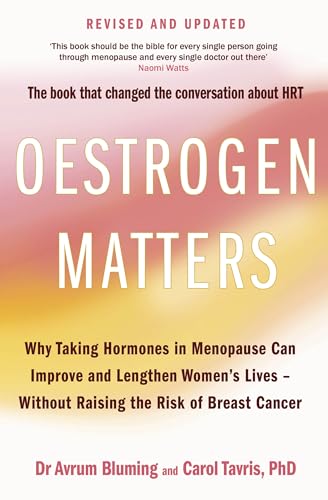
Estrogen Matters: Why Taking Hormones in Menopause Can Improve Women's Well-Being and Lengthen Their Lives - Without Raising the Risk of Breast Cancer: Bluming, Avrum, Tavris, Carol
In their fascinating account, Bluming and Tavris challenge that conclusion and unpack the reasons for its remarkable impact."―Robert B. Cialdini, author of Influence "Given breast cancer
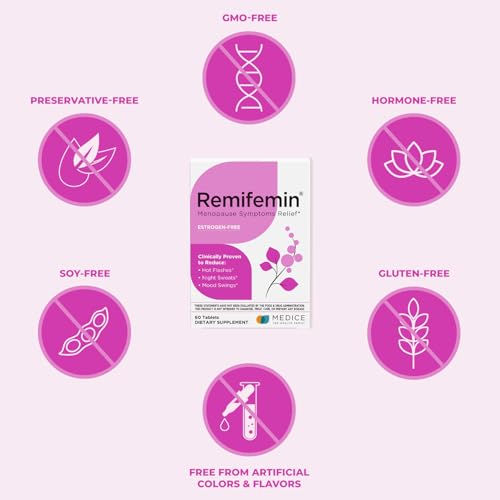
Remifemin Menopause Symptoms Relief - Clinically Proven Ingredients - Menopause Supplements - Black Cohosh - Estrogen-Free - Made in Germany - 60 Tablets
MENOPAUSE SYMPTOMS RELIEF: Remifemin is a trusted solution for managing menopause symptoms. It is <strong>clinically proven to reduce hot flashes, night sweats, mood swings, and irritability associate

Eight Flavor Rehmannia (Zhi Bai Di Huang Wan), 200 ct, Plum Flower
Coptis Teapills (Huang Lian Su Wan), 200 ct, Plum Flower · Eight Flavor Rehmanni Extract (Zhi Bai Di Huang Wan) Next set of slides · Is Discontinued By Manufacturer : No · Package Dimensions :
Evidence & Sources
Supported by multiple clinical trials and systematic reviews
- North American Menopause Society (The Menopause Society)
- American College of Obstetricians and Gynecologists (ACOG)
- Women's Health Initiative Investigators, JAMA and related WHI publications
- New England Journal of Medicine
- Endocrine Society Clinical Practice Guidelines
- National Institute for Health and Care Excellence (NICE)
- National Center for Complementary and Integrative Health (NCCIH)
- Cochrane Reviews
This content is for informational purposes only and does not constitute medical advice. Always consult a qualified healthcare provider before starting, stopping, or changing any supplement or medication regimen.