

H2 Blockers
Also known as: H2 antagonists, histamine-2 blockers, acid reducers
H2 Blockers
H2 blockers—also called histamine-2 receptor antagonists or H2RAs—are a class of medications that reduce the production of stomach acid. Common examples include famotidine, cimetidine, and nizatidine; ranitidine was once widely used but was removed from many markets after concerns about contamination with NDMA, a probable carcinogen. These medicines are commonly discussed in the context of heartburn, gastroesophageal reflux disease (GERD), indigestion, gastritis, and peptic ulcer disease, and they are often viewed as an intermediate option between short-acting antacids and more potent proton pump inhibitors (PPIs).
H2 blockers work by blocking histamine signaling at the H2 receptors on acid-producing cells in the stomach. By lowering acid output, they can reduce burning discomfort, help protect irritated tissue from further acid exposure, and support healing in some acid-related conditions. Their onset is generally slower than antacids but faster than PPIs, and their acid suppression is typically less profound than that of PPIs. For this reason, they are frequently searched by people looking for a medication option that may provide meaningful symptom relief without the longer-term acid suppression associated with PPIs.
From a public health perspective, acid-related symptoms are extremely common. GERD and recurrent heartburn affect a substantial portion of adults worldwide, and dyspepsia and ulcer disease also remain major causes of healthcare use. H2 blockers have played a longstanding role in both prescription and over-the-counter care. They are also relevant in conversations about step-up or step-down therapy, nighttime acid symptoms, and the broader management of reflux using non-drug strategies such as meal timing, weight management, positional changes, and trigger avoidance.
Although generally considered effective and widely used, H2 blockers are not interchangeable with all other acid-reducing therapies. Their usefulness depends on the condition being addressed, symptom frequency, and individual risk factors. In addition, they carry important considerations including drug interactions—especially with cimetidine—possible side effects such as headache, dizziness, constipation, or diarrhea, and dose adjustments in some older adults or people with kidney impairment. Persistent reflux symptoms, difficulty swallowing, gastrointestinal bleeding, unexplained weight loss, chest pain, or recurrent vomiting warrant medical evaluation, as these may indicate conditions requiring more than symptomatic acid reduction.
Medical Perspectives
Two Ways of Seeing Health

Western
scientific · clinical
Western medicine applies science, technology, and clinical experience to treat symptoms through testing, diagnosis, and targeted intervention.

Eastern
traditional · alternative
Eastern medicine focuses on treating the body naturally by applying traditional knowledge practiced for thousands of years, emphasizing balance and whole-person wellness.
Gold Bamboo presents both perspectives side-by-side so you can make informed decisions. We don't advocate for one over the other — your health choices are yours.
Western Medicine Perspective
Western Medicine Perspective
In conventional medicine, H2 blockers are understood as acid-suppressing agents that reduce basal and stimulated gastric acid secretion by inhibiting histamine-mediated signaling in the stomach. They have historically been used for episodic heartburn, mild to moderate GERD, peptic ulcer disease, gastritis-related symptoms, and stress-ulcer prophylaxis in selected inpatient settings. Compared with antacids, they provide longer symptom control; compared with PPIs, they are generally less potent for healing erosive esophagitis and maintaining strong acid suppression, but they may still be useful in selected scenarios, including intermittent reflux or nocturnal acid breakthrough.
Clinical guidelines generally distinguish among acid-related conditions rather than treating all reflux symptoms the same way. Research suggests PPIs are more effective than H2 blockers for frequent GERD symptoms and erosive esophagitis, while H2 blockers may remain relevant for milder symptoms, short-term symptom control, or when a less intensive acid-suppression approach is being considered. For peptic ulcer disease, H2 blockers were foundational therapies before PPIs became more dominant; they still reduce acid and can support ulcer healing, though current ulcer management often depends on the presence of Helicobacter pylori, NSAID exposure, and bleeding risk.
Safety and pharmacology are central to the conventional view. Famotidine is often discussed as having fewer drug-interaction concerns than cimetidine, which can inhibit several cytochrome P450 enzymes and affect the metabolism of other medications. H2 blockers may also show tachyphylaxis, meaning their acid-suppressing effect can diminish with continuous use over time. In older adults, in those with renal impairment, and in patients taking multiple medications, clinicians typically evaluate dosing, adverse effects, and potential interactions carefully. Modern practice also emphasizes assessment of alarm symptoms and the possibility that chest discomfort, chronic cough, laryngopharyngeal symptoms, eosinophilic esophagitis, functional dyspepsia, or other disorders may mimic ordinary acid reflux.
Conventional care also places strong emphasis on non-pharmacologic reflux management. Evidence-informed strategies may include changes in meal timing, avoidance of lying down soon after eating, head-of-bed elevation for nighttime symptoms, weight reduction in people with overweight or obesity, and review of dietary or medication triggers. H2 blockers are often considered within this broader framework rather than as a standalone solution, and persistent or escalating symptoms are generally evaluated in the context of diagnosis confirmation and risk stratification.
Eastern & Traditional Perspective
Eastern and Traditional Medicine Perspective
In Traditional Chinese Medicine (TCM), symptoms such as heartburn, acid regurgitation, epigastric discomfort, belching, and nausea are not typically framed as excess stomach acid alone. Instead, they may be interpreted through patterns such as Liver qi attacking the Stomach, Stomach heat, food stagnation, or Spleen-Stomach disharmony. The goal in TCM is traditionally to restore harmony in digestion and the upward-downward movement of qi rather than simply suppress acid. Herbal formulas, acupuncture, dietary patterning, and stress-regulation practices have historically been used depending on the diagnosed pattern.
In Ayurveda, reflux-like symptoms are often discussed in relation to aggravated pitta, impaired digestion, and disturbed gut balance. Burning sensations, sour belching, and post-meal discomfort may be viewed as manifestations of excess heat or digestive imbalance. Traditional Ayurvedic approaches may include individualized diet and lifestyle assessment, botanical preparations, and practices intended to calm digestive irritation and regulate metabolism. Similarly, naturopathic and integrative traditions often emphasize meal habits, mind-body contributors, and mucosal support alongside evaluation for conventional causes.
From an integrative perspective, H2 blockers can be seen as one tool for symptom reduction, while traditional systems more often focus on the terrain in which symptoms arise: eating pace, stress burden, constitution, sleep, posture, and overall digestive resilience. Some complementary practitioners discuss the possibility that not all upper digestive symptoms stem from acid excess, echoing conventional distinctions among reflux, dyspepsia, and functional digestive disorders. However, traditional interpretations are based on their own diagnostic frameworks and do not replace evaluation for ulcers, severe GERD, gastrointestinal bleeding, or malignancy.
The evidence base for traditional approaches to reflux-related symptoms is growing but remains mixed and highly variable in quality. Some studies suggest potential benefits of acupuncture or selected herbal approaches for symptom relief in GERD or functional dyspepsia, but findings are not uniform and standardization is challenging. For this reason, an integrative discussion typically includes both respect for traditional models and the recognition that persistent or complicated symptoms warrant assessment by qualified healthcare professionals, particularly when medications such as H2 blockers are being considered alongside herbs or supplements that may affect digestion or drug metabolism.
Supplements & Products
Recommended Products
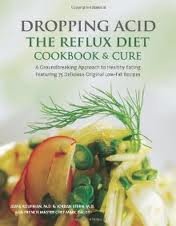
Dropping Acid: The Reflux Diet Cookbook & Cure: Koufman, Jamie, Stern, Jordan, Bauer, Marc Michel
Jamie Koufman ... Dropping Acid: The Reflux Diet Cookbook & Cure is <strong>the first book to offer a nontraditional diet to help cure reflux, as well as the best and worst foods for a reflux suf
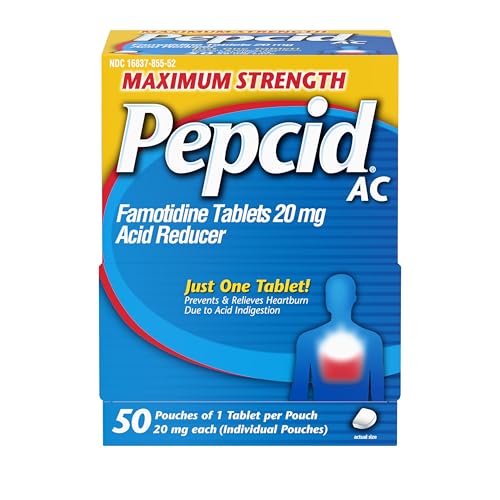
Pepcid AC Maximum Strength Heartburn Relief Tablets, OTC Medicine Prevents & Relieves Heartburn & Acid Reflux Due to Acid Indigestion, 20mg Famotidine Acid Reducer, Fast-Acting, 50 ct
Maximum Strength Pepcid AC Heartburn Relief Tablets with famotidine <strong>provide fast-acting prevention & relief of heartburn associated with acid indigestion & sour stomach</strong>. Each

REFLUX GOURMET Natural Heartburn Acid Reflux Relief Support Supplement for GERD, LPR, Indigestion, Aid for Intermittent Fasting, Alginate Therapy, Made in The USA, Vanilla Caramel
<strong>This raft blocks off the esophagus, physically preventing the reflux of stomach contents into the esophagus</strong>. 100% ALL-NATURAL AND GLYCERIN-FREE - The only alginate therapy made with 1
Evidence & Sources
Supported by multiple clinical trials and systematic reviews
- American College of Gastroenterology (ACG) Clinical Guideline for Gastroesophageal Reflux Disease
- National Institute of Diabetes and Digestive and Kidney Diseases (NIDDK)
- U.S. Food and Drug Administration (FDA) safety communications on ranitidine
- StatPearls: H2 Blockers
- The American Journal of Gastroenterology
- New England Journal of Medicine
- Cochrane Reviews on GERD and peptic ulcer disease
- National Center for Complementary and Integrative Health (NCCIH)
This content is for informational purposes only and does not constitute medical advice. Always consult a qualified healthcare provider before starting, stopping, or changing any supplement or medication regimen.