

Furosemide
Also known as: Lasix, Water pill, Furosemide
Overview
Furosemide is a prescription loop diuretic, often referred to as a “water pill,” used to reduce excess fluid accumulation and, in some cases, help lower blood pressure. It is commonly prescribed for edema associated with conditions such as heart failure, liver cirrhosis, kidney disease, and nephrotic syndrome, and it may also be used in selected settings for hypertension. By increasing the excretion of sodium, chloride, and water through the kidneys, furosemide can decrease swelling in the legs or abdomen and reduce fluid buildup in the lungs.
Its clinical importance is substantial because fluid overload is a major feature of several chronic and acute illnesses. In heart failure, for example, congestion is one of the main causes of shortness of breath and hospitalization. In liver and kidney disorders, impaired fluid regulation can lead to uncomfortable and potentially dangerous edema. Furosemide is therefore a foundational medication in many hospital and outpatient settings, particularly when rapid or reliable diuresis is needed.
At the same time, furosemide is not a general wellness aid or simple remedy for bloating. Its effects on fluid and electrolyte balance can be significant, and research and prescribing information emphasize the need for clinical monitoring. Potential concerns include dehydration, low blood pressure, kidney function changes, and disturbances in potassium, sodium, magnesium, and calcium levels. Depending on dose and route, hearing-related adverse effects have also been reported, especially in higher-risk settings.
Because furosemide alters core physiologic processes involving the kidneys, circulation, and mineral balance, its use is typically considered within the larger context of the underlying disease being treated. In integrative health discussions, it is often viewed as an example of a conventional therapy that addresses an urgent physiologic need—excess fluid retention—while broader supportive strategies may focus on diet, symptom burden, and quality of life under the supervision of qualified healthcare professionals.
Medical Perspectives
Two Ways of Seeing Health

Western
scientific · clinical
Western medicine applies science, technology, and clinical experience to treat symptoms through testing, diagnosis, and targeted intervention.

Eastern
traditional · alternative
Eastern medicine focuses on treating the body naturally by applying traditional knowledge practiced for thousands of years, emphasizing balance and whole-person wellness.
Gold Bamboo presents both perspectives side-by-side so you can make informed decisions. We don't advocate for one over the other — your health choices are yours.
Western Medicine Perspective
Western Medicine Perspective
In conventional medicine, furosemide is understood as a loop diuretic that inhibits the sodium-potassium-chloride cotransporter in the thick ascending limb of the loop of Henle. This action reduces sodium and chloride reabsorption, leading to increased urinary output. The result can be a relatively rapid reduction in circulating volume and tissue fluid. Because of this mechanism, furosemide is widely used in acute decompensated heart failure, chronic edema states, and other conditions where relieving volume overload is a central therapeutic goal.
Clinical use is guided by the condition being treated, the severity of fluid overload, kidney function, blood pressure, and laboratory parameters. Major guidelines and pharmacology references note that patients receiving furosemide are often monitored for serum electrolytes, renal function, volume status, and blood pressure. Conventional medicine also recognizes important pharmacologic nuances: oral absorption can be variable; intravenous administration may be used in urgent care settings; and diuretic resistance can occur in advanced heart failure or kidney disease, sometimes requiring combination strategies under specialist care.
Adverse effects are a major part of the western clinical framework. Studies and prescribing references describe risks including hypokalemia, hyponatremia, metabolic alkalosis, hypotension, dehydration, prerenal azotemia, and hyperuricemia. Less common but clinically important concerns include ototoxicity, especially with high doses, rapid intravenous infusion, severe kidney impairment, or concurrent use of other ototoxic drugs. Furosemide may also interact with medications such as NSAIDs, aminoglycosides, lithium, and some antihypertensives.
From an evidence standpoint, furosemide is a long-established medication with extensive clinical use and strong physiologic rationale. It is considered a standard therapy for symptomatic fluid overload, though outcomes may depend less on the drug alone than on the broader management of the underlying illness. In heart failure, for instance, loop diuretics are essential for symptom relief and decongestion, while disease-modifying therapies address long-term prognosis.
Eastern & Traditional Perspective
Eastern/Traditional Medicine Perspective
Traditional medical systems do not describe furosemide itself as a classical remedy, since it is a modern pharmaceutical. However, the symptom patterns it is used to address—swelling, fluid retention, reduced urination, chest congestion, and abdominal fullness—have long been recognized in systems such as Traditional Chinese Medicine (TCM) and Ayurveda. In these traditions, fluid accumulation is typically interpreted through broader functional patterns rather than isolated organ-based diagnoses.
In TCM, edema may be discussed in relation to dysfunction of the Spleen, Kidney, and Lung systems, impaired fluid transformation and transportation, or retention of Dampness and Phlegm. Depending on the presentation, traditional approaches may aim to “promote urination,” “transform damp,” or support constitutional weakness while differentiating between excess and deficiency patterns. Herbal formulas and acupuncture strategies have historically been used for these purposes, though traditional practitioners generally emphasize individualized pattern assessment rather than a single remedy for all swelling.
In Ayurveda, edema-like states may be interpreted through imbalances involving Kapha, disturbed water metabolism, or weakness in digestive and tissue-transforming functions, sometimes framed through concepts such as shotha. Traditional approaches may include dietary regulation, botanical preparations, and routines intended to support digestion, circulation, and elimination. Naturopathic and other integrative traditions may similarly view fluid retention as a sign that warrants attention to diet, systemic inflammation, circulation, and the underlying disease process.
From an integrative perspective, eastern and traditional frameworks are generally most relevant as adjunctive interpretive systems rather than substitutes for urgent fluid management. Significant edema, shortness of breath, or rapid weight gain can reflect serious heart, kidney, or liver disease. For that reason, traditional supportive care is commonly discussed in the context of coordinated medical oversight, especially when a potent diuretic such as furosemide is already part of care and electrolyte balance may be fragile.
Supplements & Products
Recommended Products
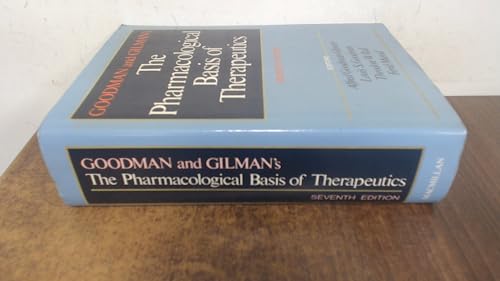
Goodman and Gilman's The Pharmacological Basis of Therapeutics, 14th Edition
For more than 50 years, Goodman & Gilman’s: The Pharmacological Basis of Therapeutics has <strong>represented the pinnacle of authority and accuracy in describing the actions and uses of therapeut
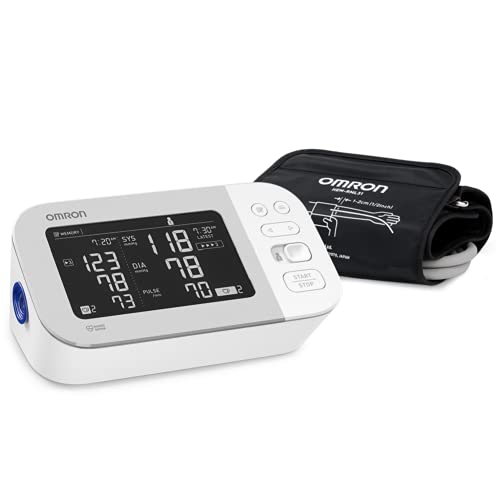
OMRON Platinum Blood Pressure Monitor, Upper Arm Cuff, Digital Bluetooth Blood Pressure Machine, Stores Up To 200 Readings for Two Users (100 readings each) : Everything Else
Buy OMRON Platinum Blood Pressure Monitor, Upper Arm Cuff, Digital Bluetooth Blood Pressure Machine, Stores Up To 200 Readings for Two Users (100 readings each) on Amazon.com ✓ FREE SHIPPING on qualif

WITHINGS Body Smart - Accurate Scale for Body Weight and Fat Percentage, Body Composition Wi-Fi and Bluetooth Weight Scale, Baby Weight Scale, Smart Scale Apple Health Compatible, Bathroom Scale
ACHIEVE YOUR WEIGHT GOALS FASTER - <strong>Reliably track your weight to within 50 g and view your weight trends directly on the scale's high-resolution color display</strong>. INCREASE MUSCLE MA
Evidence & Sources
Supported by multiple clinical trials and systematic reviews
- U.S. Food and Drug Administration (FDA) prescribing information for furosemide
- StatPearls: Furosemide
- Journal of the American College of Cardiology (JACC) heart failure guidance
- European Society of Cardiology (ESC) Guidelines for Heart Failure
- American Heart Association (AHA) scientific statements on heart failure management
- British National Formulary (BNF)
- National Institute for Health and Care Excellence (NICE) guidance on heart failure and edema-related care
- Merck Manual Professional Edition
This content is for informational purposes only and does not constitute medical advice. Always consult a qualified healthcare provider before starting, stopping, or changing any supplement or medication regimen.