

Fluticasone
Also known as: Flonase, Allergy medication, Fluticasone
Overview
Fluticasone is a synthetic corticosteroid medication commonly used to reduce inflammation associated with seasonal and perennial allergic rhinitis. In nasal spray form, it is widely used to address symptoms such as nasal congestion, sneezing, runny nose, and itching that occur when the immune system reacts to allergens like pollen, dust mites, animal dander, or mold. Related fluticasone formulations are also used in asthma, chronic obstructive pulmonary disease, and certain dermatologic conditions, but in the context of allergic rhinitis, its primary role is local anti-inflammatory action within the nasal passages.
Allergic rhinitis is highly prevalent worldwide and can meaningfully affect sleep, concentration, school or work performance, and overall quality of life. Research and clinical guidelines have consistently identified intranasal corticosteroids, including fluticasone, as among the most effective pharmacologic options for persistent or moderate-to-severe nasal allergy symptoms. Because the medicine is delivered directly to the nasal mucosa, it is designed to exert most of its effect locally, with relatively limited systemic absorption when used as directed.
Fluticasone is available in different salt forms and branded/generic products, such as fluticasone propionate and fluticasone furoate, which have somewhat different dosing characteristics but similar therapeutic goals. From a practical standpoint, conventional discussions of fluticasone focus on symptom control, onset and consistency of use, local side effects such as nasal irritation or nosebleeds, and its role within a broader allergy management plan. Although often well tolerated, medication selection and use remain individualized, especially for children, pregnant individuals, and those with coexisting nasal conditions or other ongoing therapies.
From an integrative health perspective, fluticasone represents a targeted anti-inflammatory tool rather than a cure for the underlying tendency toward allergic disease. Many people encountering allergic rhinitis also explore environmental controls, saline irrigation, breathing practices, dietary changes, and traditional systems of medicine that frame chronic nasal symptoms differently. A balanced understanding of fluticasone includes both its strong evidence base in symptom reduction and the broader context in which patients may combine conventional and traditional approaches under appropriate professional guidance.
Medical Perspectives
Two Ways of Seeing Health

Western
scientific · clinical
Western medicine applies science, technology, and clinical experience to treat symptoms through testing, diagnosis, and targeted intervention.

Eastern
traditional · alternative
Eastern medicine focuses on treating the body naturally by applying traditional knowledge practiced for thousands of years, emphasizing balance and whole-person wellness.
Gold Bamboo presents both perspectives side-by-side so you can make informed decisions. We don't advocate for one over the other — your health choices are yours.
Western Medicine Perspective
Western Medicine Perspective
In conventional medicine, allergic rhinitis is understood as an IgE-mediated inflammatory response to environmental allergens. Exposure to these triggers activates immune pathways involving mast cells, eosinophils, histamine, cytokines, and other inflammatory mediators, leading to mucosal swelling and excessive nasal secretions. Fluticasone works by suppressing multiple components of this inflammatory cascade. As an intranasal corticosteroid, it decreases local inflammation in the nasal lining, which helps improve congestion and other hallmark symptoms more broadly than some alternatives that primarily target histamine alone.
Clinical guidelines from organizations such as the Allergic Rhinitis and its Impact on Asthma (ARIA) initiative and professional allergy societies commonly place intranasal corticosteroids among first-line therapies for many patients with allergic rhinitis, particularly when symptoms are frequent, persistent, or disruptive. Studies indicate that fluticasone can improve nasal obstruction, rhinorrhea, sneezing, and nasal itching, and may also help some associated eye symptoms in certain patients. Conventional care also considers formulation, adherence, application technique, and concurrent use of non-drug strategies such as allergen avoidance or saline irrigation.
Safety discussions in western medicine emphasize that fluticasone is generally well studied and well tolerated when used intranasally, but adverse effects can occur. The most commonly reported include epistaxis, throat irritation, dryness, unpleasant taste or smell, and local discomfort. In specific contexts, clinicians may consider cumulative corticosteroid exposure, interactions with strong CYP3A4 inhibitors, or special populations where monitoring is appropriate. The western framework also distinguishes between symptom control and disease modification: while fluticasone can reduce inflammation and improve daily functioning, it does not eliminate allergen sensitivity itself.
Eastern & Traditional Perspective
Eastern/Traditional Medicine Perspective
Traditional systems of medicine generally do not classify fluticasone as a traditional remedy, since it is a modern pharmaceutical agent. However, practitioners in Traditional Chinese Medicine (TCM), Ayurveda, naturopathy, and other integrative systems may interpret the symptom pattern it addresses through their own diagnostic frameworks. In TCM, allergic rhinitis symptoms are often discussed in relation to patterns involving the Lung, Spleen, and Kidney systems, along with external influences such as Wind or the presence of Phlegm and Dampness. In this view, a medication like fluticasone may be seen as suppressing local inflammatory expression, while broader constitutional tendencies are evaluated separately.
In Ayurveda, recurrent rhinitis may be interpreted through imbalances involving Kapha accumulation, aggravated Vata, or impaired digestive/metabolic processes often described as contributing to systemic imbalance. Ayurvedic and naturopathic traditions may place greater emphasis on terrain, environmental triggers, digestion, sleep, and seasonal adaptation. These approaches often discuss herbs, dietary frameworks, cleansing practices, nasal oiling traditions, or breathing practices as supportive measures, though the evidence base for many such interventions is variable and often less robust than that for intranasal corticosteroids.
An integrative perspective may regard fluticasone as a useful symptom-modulating medicine within a larger plan that also considers lifestyle, environment, and individualized traditional assessment. At the same time, traditional and complementary practitioners generally recognize the importance of coordinating care when pharmaceutical therapies are being used, particularly to avoid duplicative treatment, delayed diagnosis, or confusion between temporary symptom relief and long-term management goals. Research on combining conventional allergy therapies with traditional modalities is growing, but remains mixed and highly dependent on the specific intervention studied.
Supplements & Products
Recommended Products
The Allergy Solution: Unlock the Surprising, Hidden Truth About Why You Are Sick and How to Get Well: Galland, Leo, M.D., Galland, Jonathan
In this groundbreaking book, award-winning doctor Leo Galland, M.D., <strong>reveals the shocking rise of hidden allergies that lead to weight gain, fatigue, brain fog, depression, joint pain, headach
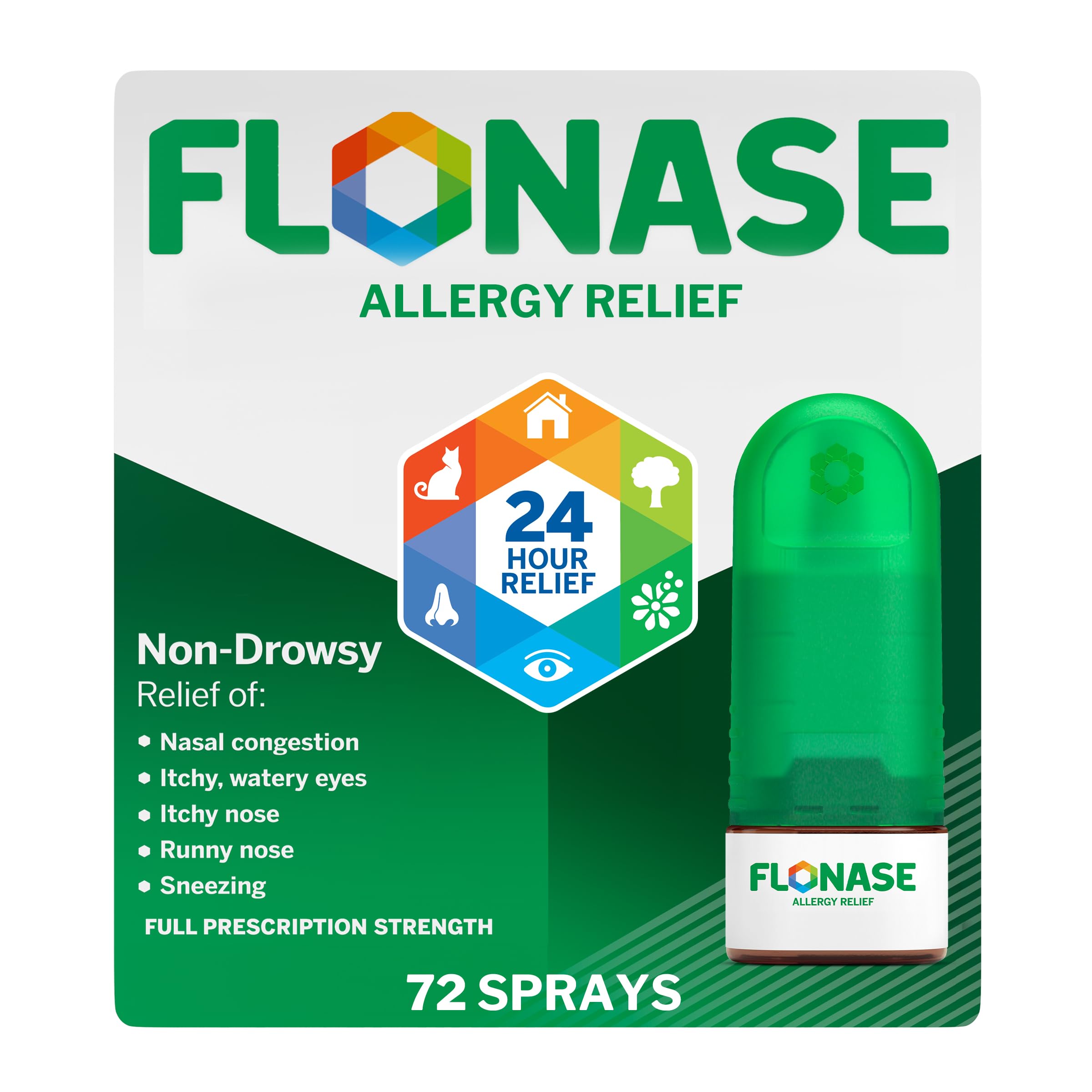
Flonase Allergy Relief Nasal Spray, 24 Hour Non Drowsy Allergy Medicine, Metered Nasal Spray - 72 Sprays - Fall and Seasonal Allergy Relief
Flonase Sensimist Allergy Relief Nasal Spray - <strong>Non-Drowsy 24HR Long Lasting Allergy Relief with Fine, Scent-Free Mist - 120 Sprays Plus Bonus Pack of Tissues</strong> · HealthA2Z® Fluticasone

NeilMed Sinus Rinse - A Complete Sinus Nasal Rinse Kit, 50 count (Pack of 1) Count may vary
Buy NeilMed Sinus Rinse - A Complete Sinus Nasal Rinse Kit, 50 count (Pack of 1) Count may vary on Amazon.com ✓ FREE SHIPPING on qualified orders
Evidence & Sources
Supported by multiple clinical trials and systematic reviews
- Allergic Rhinitis and its Impact on Asthma (ARIA) guidelines
- American Academy of Allergy, Asthma & Immunology (AAAAI)
- American College of Allergy, Asthma & Immunology (ACAAI)
- National Institutes of Health (NIH)
- MedlinePlus
- Drugs journal
- Journal of Allergy and Clinical Immunology
- Cochrane Database of Systematic Reviews
This content is for informational purposes only and does not constitute medical advice. Always consult a qualified healthcare provider before starting, stopping, or changing any supplement or medication regimen.