

Fluoxetine
Also known as: Prozac, Antidepressant, Fluoxetine
Overview
Fluoxetine is a prescription medication in the selective serotonin reuptake inhibitor (SSRI) class, widely used in the treatment of major depressive disorder, obsessive-compulsive disorder (OCD), panic disorder, bulimia nervosa, and certain other mood- and anxiety-related conditions. It is commonly recognized as one of the earliest and most studied SSRIs, and it has played a major role in modern psychiatric treatment. By influencing serotonin signaling in the brain, fluoxetine is understood to affect mood regulation, emotional processing, and certain repetitive or intrusive thought patterns.
From a public health perspective, fluoxetine is relevant because depressive and anxiety disorders are highly prevalent worldwide and can significantly impair daily functioning, sleep, relationships, appetite, concentration, and physical health. Studies indicate that SSRIs, including fluoxetine, are among the most frequently prescribed psychiatric medications due to their broad applicability and relatively favorable safety profile compared with older antidepressant classes. Its long half-life also makes it somewhat distinct within the SSRI category, affecting how the medication is initiated, adjusted, and discontinued in clinical settings.
Fluoxetine is not a cure for underlying psychiatric illness, but research suggests it can reduce symptom burden for many individuals when used as part of a broader care plan that may also include psychotherapy, lifestyle support, and ongoing clinical monitoring. Response varies considerably between individuals, and the medication may be associated with side effects such as gastrointestinal upset, sleep disturbance, headache, agitation, or sexual dysfunction. In some populations, clinicians also monitor closely for mood destabilization, suicidal thinking, drug interactions, or serotonin-related adverse effects.
Because mental health conditions are complex and influenced by biological, psychological, social, and sometimes spiritual factors, fluoxetine is often best understood as one component within a multidimensional model of care. Conventional medicine emphasizes diagnosis, symptom reduction, and safety monitoring, while traditional systems may frame emotional distress through patterns of imbalance involving mind-body regulation, vitality, or organ-system disharmony. Any decisions about psychiatric medications warrant discussion with a qualified healthcare professional, especially when symptoms are severe, changing, or accompanied by safety concerns.
Medical Perspectives
Two Ways of Seeing Health

Western
scientific · clinical
Western medicine applies science, technology, and clinical experience to treat symptoms through testing, diagnosis, and targeted intervention.

Eastern
traditional · alternative
Eastern medicine focuses on treating the body naturally by applying traditional knowledge practiced for thousands of years, emphasizing balance and whole-person wellness.
Gold Bamboo presents both perspectives side-by-side so you can make informed decisions. We don't advocate for one over the other — your health choices are yours.
Western Medicine Perspective
Western Medicine Perspective
In conventional medicine, fluoxetine is classified as an SSRI antidepressant. Its primary mechanism is thought to involve inhibition of the serotonin transporter, increasing serotonin availability in synaptic spaces. Although this biochemical action occurs relatively quickly, the full therapeutic effects on mood, anxiety, compulsions, or eating-related symptoms often develop over several weeks, reflecting more complex downstream changes in neural signaling and plasticity. Fluoxetine has been studied across multiple psychiatric indications and is approved in many countries for depression, OCD, bulimia nervosa, panic disorder, and, in some cases, pediatric depression or OCD under specialist oversight.
Clinical use is generally guided by formal diagnostic criteria, symptom severity, coexisting conditions, prior treatment history, and tolerability. Research supports fluoxetine as an evidence-based option for major depressive disorder and several anxiety-spectrum conditions, though comparative effectiveness may vary by diagnosis and individual patient factors. Conventional care also pays close attention to adverse effects and precautions, including insomnia, nausea, appetite changes, sweating, tremor, emotional blunting, sexual side effects, activation early in treatment, and rare but important concerns such as serotonin syndrome, hyponatremia, bleeding risk, or switching into mania in vulnerable individuals. Boxed warnings regarding suicidal thoughts and behaviors in children, adolescents, and young adults are an important part of prescribing discussions.
A notable pharmacologic feature of fluoxetine is its long half-life and active metabolite norfluoxetine, which can reduce abrupt-withdrawal phenomena compared with shorter-acting SSRIs but can also prolong drug interactions. It may interact with other serotonergic drugs, certain antipsychotics, some migraine medications, anticoagulants, and agents metabolized through key liver enzyme pathways. In evidence-based psychiatric care, medication is often paired with psychotherapy such as cognitive behavioral therapy, particularly for depression, anxiety disorders, and OCD, where combined treatment may offer additional benefit in some populations.
Eastern & Traditional Perspective
Eastern/Traditional Medicine Perspective
In Traditional Chinese Medicine (TCM), a medication such as fluoxetine is not traditionally described by receptor activity or neurotransmitter modulation. Instead, symptoms associated with depression, anxiety, obsessive thinking, restlessness, or emotional constraint may be interpreted through patterns such as Liver qi stagnation, Heart Shen disturbance, Spleen qi deficiency, phlegm misting the mind, or disharmony between the Heart and Kidney systems. From this perspective, emotional distress is often viewed as a manifestation of broader systemic imbalance rather than an isolated brain-based disorder. Fluoxetine itself is a modern pharmaceutical rather than a traditional herbal substance, so TCM does not assign it a classical energetic nature in the same way it would a medicinal plant.
In Ayurveda, mood disorders and compulsive or anxious states may be understood through disturbances in manas (mind), the gunas—particularly excess rajas or tamas—and imbalances in Vata, Pitta, or sometimes Kapha, depending on the presentation. Emotional dysregulation may be seen as involving the nervous system, digestion, sleep, and overall resilience. As in TCM, fluoxetine is not part of the classical Ayurvedic materia medica, but Ayurvedic practitioners may consider how a person’s constitutional pattern and stress burden relate to the symptoms for which a conventional antidepressant has been prescribed.
In broader integrative and naturopathic frameworks, fluoxetine may be discussed as a conventional tool that addresses one dimension of mental health, while other supportive practices aim to address stress physiology, sleep quality, nutrition, movement, social connection, and mind-body regulation. However, combining traditional therapies, supplements, or herbs with SSRIs raises important safety considerations, since some natural products with serotonergic or psychoactive effects may interact with fluoxetine. For that reason, integrative care models generally emphasize coordinated oversight by qualified healthcare professionals rather than parallel, unmonitored use.
Supplements & Products
Recommended Products
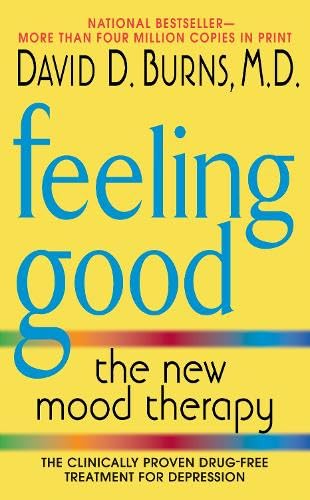
Feeling Good: The New Mood Therapy: David D. Burns
David D. Burns, M.D., a clinical psychiatrist, conveys his ideas with warmth, compassion, understanding, and humor unmatched by any other writer in the self-help field. His bestselling Feeling Good: T
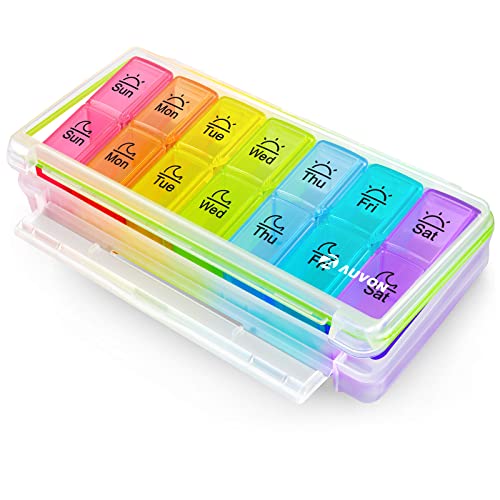
AUVON Pill Box 2 Times a Day, Weekly Pill Organizer AM PM with 7 Daily Pocket Case to Hold Vitamin, Medicine, Medication, and Supplement
AUVON XL Weekly Pill Organizer 2 Times a Day, Pill Box 7 Day with <strong>One-Side Large Openings</strong> for Easy to Use, Black Privacy Protection AM PM Pill Case for Medication, Vitamins, Fish Oils

Verilux HappyLight Luxe - Light Therapy Lamp with 10,000 Lux, UV-Free, LED Bright White Light with Adjustable Brightness, Color, Countdown Timer, & Stand - Boost Mood, Sleep, Focus (White)
Verilux HappyLight Lumi Plus - Light Therapy Lamp with 10,000 Lux, <strong>UV-Free, LED Bright White Light with Adjustable Brightness, Countdown Timer, & Detachable Stand - Boost Mood, Sleep, and
Evidence & Sources
Supported by multiple clinical trials and systematic reviews
- U.S. Food and Drug Administration (FDA)
- National Institute for Health and Care Excellence (NICE)
- American Psychiatric Association
- Cochrane Database of Systematic Reviews
- National Institute of Mental Health (NIMH)
- StatPearls
- New England Journal of Medicine
- The Lancet Psychiatry
- National Center for Complementary and Integrative Health (NCCIH)
This content is for informational purposes only and does not constitute medical advice. Always consult a qualified healthcare provider before starting, stopping, or changing any supplement or medication regimen.