

Fluoride
Also known as: Dental fluoride, Sodium fluoride, Fluoride
Overview
Fluoride is a naturally occurring mineral found in water, soil, rocks, and certain foods. In health care, it is best known for its role in dental caries prevention, and it is commonly included in toothpaste, mouth rinses, professional dental varnishes, and, in some regions, community water fluoridation programs. On a medication page, fluoride is generally understood less as a conventional drug for systemic disease and more as a preventive oral health agent used to strengthen tooth enamel and reduce the risk of cavities across the lifespan.
Fluoride’s significance in public health is substantial. Tooth decay remains one of the most common chronic conditions worldwide, affecting children and adults alike. Research over several decades suggests that appropriate fluoride exposure can reduce demineralization of enamel, enhance remineralization, and make teeth more resistant to acid produced by oral bacteria. Because of these effects, fluoride has been widely incorporated into preventive dentistry and is recognized by many public health organizations as an important tool in reducing the burden of dental disease.
At the same time, fluoride has also been the subject of ongoing scientific, regulatory, and public debate. Much of this discussion centers on dose, route of exposure, and long-term safety. Conventional medicine generally distinguishes between controlled topical use—such as fluoridated toothpaste or professionally applied varnish—and excessive intake, which may contribute to dental fluorosis in developing teeth and, at higher or prolonged exposures, other adverse effects. As with many health topics, the context of use matters: fluoride’s benefits are typically discussed in relation to oral health prevention, while safety concerns are evaluated according to age, total exposure, and environmental sources.
From a broader integrative perspective, fluoride is an example of a mineral with a clear preventive role in one area of medicine but more limited application in whole-body wellness traditions. It is not a major therapeutic substance in most classical traditional medicine systems, yet it intersects with these systems through broader themes such as mineral balance, environmental exposure, constitutional health, and prevention. For readers exploring both conventional and traditional viewpoints, fluoride is best understood as a public health and dental preventive agent whose value and risks are closely tied to how, when, and in what amount it is used.
Medical Perspectives
Two Ways of Seeing Health

Western
scientific · clinical
Western medicine applies science, technology, and clinical experience to treat symptoms through testing, diagnosis, and targeted intervention.

Eastern
traditional · alternative
Eastern medicine focuses on treating the body naturally by applying traditional knowledge practiced for thousands of years, emphasizing balance and whole-person wellness.
Gold Bamboo presents both perspectives side-by-side so you can make informed decisions. We don't advocate for one over the other — your health choices are yours.
Western Medicine Perspective
Western Medicine Perspective
In conventional medicine and dentistry, fluoride is primarily viewed as a caries-preventive agent. Its main recognized action is topical: fluoride helps inhibit enamel demineralization, supports remineralization of early tooth damage, and can reduce the metabolic activity of cavity-causing bacteria in dental plaque. This understanding has shifted emphasis away from fluoride as merely a swallowed supplement and toward fluoride as a substance that acts directly on the tooth surface through regular contact, such as from toothpaste, rinses, gels, and varnishes.
Western clinical practice commonly discusses fluoride in several forms: community water fluoridation, over-the-counter dental products, professional applications, and prescription fluoride products in selected circumstances. Major dental and pediatric organizations have supported fluoride use as part of caries prevention strategies, particularly in populations at elevated risk of tooth decay. Studies and public health reviews have associated fluoridated water and fluoride-containing dental products with lower cavity rates at the population level, although the magnitude of benefit can vary by baseline dental care access, diet, oral hygiene practices, and other fluoride exposures.
Safety considerations are an important part of the conventional perspective. Excess fluoride intake during tooth development may lead to dental fluorosis, usually presenting as mild changes in enamel appearance, while very high long-term exposure has been associated with skeletal fluorosis in certain environmental settings. Research also continues to examine possible associations between high fluoride exposure and broader health outcomes, though conclusions differ depending on exposure level, study design, and region. Conventional medicine generally frames fluoride as beneficial within established public health and dental ranges, while emphasizing the importance of total exposure assessment and consultation with qualified dental or medical professionals when questions arise.
Eastern & Traditional Perspective
Eastern / Traditional Medicine Perspective
In Traditional Chinese Medicine (TCM), fluoride is not a classical herb, formula, or central therapeutic substance. TCM generally does not frame dental decay through a mineral-deficiency model specific to fluoride; instead, oral health may be interpreted through patterns involving the Kidney system, Stomach heat, Yin deficiency, or local accumulation of heat and toxins, depending on the presentation. Within that framework, strong teeth are traditionally associated with constitutional vitality—especially Kidney essence—rather than with one isolated mineral. As a result, fluoride itself occupies only a limited role in classical TCM theory, though modern integrative practitioners may acknowledge its preventive dental use from a biomedical standpoint.
In Ayurveda, fluoride likewise is not a major standalone therapeutic focus in classical texts. Oral health is often viewed through concepts such as dosha balance, digestive health, tissue nourishment, and daily self-care rituals including cleansing of the mouth and gums. Teeth may be connected with broader constitutional factors and the health of bodily tissues rather than with targeted fluoride exposure alone. Contemporary Ayurvedic-informed practice may discuss fluoride more as an environmental or public health substance than as a traditional remedy, with attention sometimes given to the balance between protective use in dentistry and concerns about excess accumulation.
In naturopathic and broader traditional wellness frameworks, perspectives on fluoride can vary widely. Some practitioners emphasize cavity prevention and recognize evidence for topical fluoride in reducing tooth decay, while others focus more heavily on exposure minimization and environmental health concerns. Integrative discussions often place fluoride within larger themes such as mineral metabolism, toxic burden, individualized risk, and prevention-oriented oral care. Overall, eastern and traditional systems tend not to treat fluoride as a core medicinal agent in the way conventional dentistry does; rather, they often situate it within a broader conversation about whole-person health, constitution, and the relationship between local oral care and systemic balance.
Supplements & Products
Recommended Products

Fluoride in Dentistry: Ekstrand, Jan, Fejerskov, Ole, Silverstone, Leon M.
Dentistry · › · Pharmacology · Currently Unavailable · Image not available for Color: To view this video download Flash Player · by Jan Ekstrand (Author), Ole Fejerskov (Author), Leon M. Silverstone (

ACT Anticavity Zero Alcohol Fluoride Mouthwash 18 fl. oz., With Accurate Dosing Cup, Mint
... Do not allow children under 6 to use. Do not swallow. <strong>Aids in the prevention of dental cavities</strong>. Active Ingredient - Purpose. Sodium Fluoride 0.05% (0.02% w/v fluoride ion) - Anti
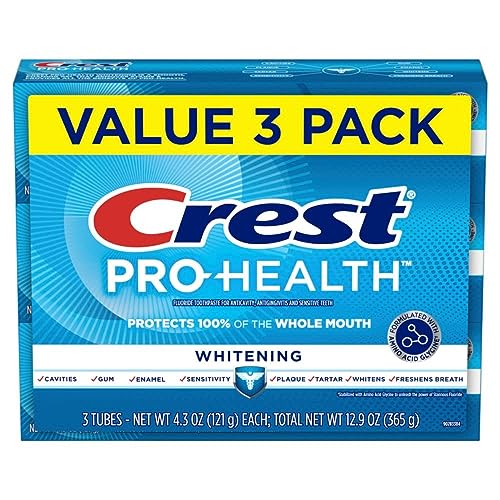
Crest Pro
Crest Pro-Health toothpaste <strong>helps keep your gums healthy by protecting against gingivitis while strengthening enamel to help keep your teeth strong</strong>*. Fortified with the key ingredient
Evidence & Sources
Supported by multiple clinical trials and systematic reviews
- World Health Organization (WHO)
- Centers for Disease Control and Prevention (CDC)
- American Dental Association (ADA)
- National Institute of Dental and Craniofacial Research (NIDCR)
- Cochrane Database of Systematic Reviews
- Journal of Dental Research
- Community Dentistry and Oral Epidemiology
- National Center for Complementary and Integrative Health (NCCIH)
This content is for informational purposes only and does not constitute medical advice. Always consult a qualified healthcare provider before starting, stopping, or changing any supplement or medication regimen.