

Fexofenadine
Also known as: Allegra, Allergy relief, Fexofenadine
Overview
Fexofenadine is a second-generation H1 antihistamine widely used for the relief of allergy-related symptoms, particularly allergic rhinitis (hay fever) and chronic idiopathic urticaria (persistent hives without a clearly identified cause). It works by blocking the action of histamine, a chemical mediator involved in itching, sneezing, runny nose, and other features of allergic inflammation. Compared with older antihistamines, fexofenadine is generally considered less sedating, which has made it a common option in modern allergy care.
From a public health perspective, medications like fexofenadine are relevant because allergic rhinitis is highly prevalent worldwide and can meaningfully affect sleep, concentration, school or work performance, and quality of life. Seasonal and perennial allergies are often triggered by pollen, dust mites, molds, animal dander, and other environmental exposures. In this context, non-drowsy antihistamines are frequently discussed as part of symptom-management strategies in conventional practice.
Fexofenadine is the active metabolite of terfenadine, an older antihistamine that was largely withdrawn because of concerns about serious cardiac rhythm effects. Fexofenadine was developed to retain antihistamine benefits while offering a more favorable safety profile. Research and post-marketing experience have generally supported its use as a comparatively cardiovascularly safe and minimally sedating agent when used appropriately, although safety considerations still apply in the setting of drug interactions, organ impairment, age-related factors, and product-specific labeling.
As with any medication topic, interpretation benefits from context. Conventional medicine typically evaluates fexofenadine in terms of receptor pharmacology, symptom control, dosing, adverse effects, and comparative trials. Traditional and integrative systems may instead view antihistamines as tools that suppress symptoms while placing greater emphasis on the underlying terrain of immune reactivity, digestion, environment, and constitutional balance. Individuals with persistent allergy symptoms, hives, pregnancy-related questions, complex medication regimens, or coexisting medical conditions are generally advised to review decisions about allergy medicines with a qualified healthcare professional.
Medical Perspectives
Two Ways of Seeing Health

Western
scientific · clinical
Western medicine applies science, technology, and clinical experience to treat symptoms through testing, diagnosis, and targeted intervention.

Eastern
traditional · alternative
Eastern medicine focuses on treating the body naturally by applying traditional knowledge practiced for thousands of years, emphasizing balance and whole-person wellness.
Gold Bamboo presents both perspectives side-by-side so you can make informed decisions. We don't advocate for one over the other — your health choices are yours.
Western Medicine Perspective
Western Medicine Perspective
In conventional medicine, fexofenadine is classified as a second-generation H1-receptor antagonist. Histamine released from mast cells plays a central role in immediate allergic responses, and blocking peripheral H1 receptors can reduce sneezing, rhinorrhea, nasal itching, eye symptoms, and itching associated with hives. Because fexofenadine penetrates the central nervous system less than many first-generation antihistamines, studies indicate it is less likely to cause sedation or cognitive impairment than older agents such as diphenhydramine or chlorpheniramine.
Clinical guidelines commonly place second-generation antihistamines among standard pharmacologic options for allergic rhinitis and urticaria, though their role depends on the symptom pattern. For example, antihistamines may help more with itching, sneezing, and runny nose than with marked nasal congestion, where other therapies are often considered in guideline-based care. Comparative studies suggest fexofenadine is effective for many patients, with differences among second-generation antihistamines often relating to onset, duration, sedation profile, and individual response rather than dramatic differences in overall category effectiveness.
Safety evaluation in western medicine emphasizes known adverse effects, contraindications, and interactions. Fexofenadine is generally well tolerated, with reported side effects including headache, nausea, dizziness, and occasional drowsiness, though sedation is typically lower than with older antihistamines. Drug and food interactions are also clinically relevant: research and labeling note that fruit juices such as grapefruit, orange, and apple juice may reduce absorption through transporter effects, potentially lowering efficacy. As with all medications, clinicians also consider age, kidney function, pregnancy/lactation context, and the possibility that persistent symptoms may reflect conditions other than simple allergy.
From an evidence standpoint, fexofenadine is supported by randomized controlled trials, pharmacologic studies, and guideline reviews. It is regarded as a well-established medication rather than an experimental therapy. Even so, conventional care does not treat antihistamines as addressing every aspect of allergy disease; they are typically understood as one component of broader management that may include trigger reduction, environmental measures, and, in some cases, other medical therapies.
Eastern & Traditional Perspective
Eastern/Traditional Medicine Perspective
Traditional medical systems generally do not classify illness in terms of histamine receptors, yet they have long described symptom patterns resembling seasonal allergies and recurrent itching disorders. In Traditional Chinese Medicine (TCM), hay fever-like presentations may be interpreted through patterns such as Wind invasion, sometimes combined with Lung qi deficiency, Spleen qi weakness, or latent Heat affecting the nose, skin, and respiratory passages. Hives may be discussed in relation to Wind, Heat, or instability in the body’s defensive qi. From this perspective, a medication like fexofenadine may be viewed as helping calm the outward expression of symptoms, while not necessarily addressing the deeper pattern that predisposes a person to recurrence.
In Ayurveda, allergy-like symptoms may be framed in terms of imbalance in doshas—often involving Kapha in congestion and mucus, Vata in spasmodic sneezing or reactivity, and Pitta in inflammatory itching or redness. Practitioners may place emphasis on digestion, environmental burden, seasonal rhythms, and constitutional susceptibility. Within such frameworks, a pharmaceutical antihistamine is not traditionally central, but in integrative settings it may be understood as a symptom-relief tool used alongside broader efforts aimed at restoring balance.
Naturopathic and integrative medicine often take a similar layered view: symptom suppression and root-cause exploration are seen as distinct but potentially complementary goals. Clinicians in these traditions may discuss food sensitivities, air quality, stress, sleep, mucosal health, or immune modulation as relevant to recurrent allergies. At the same time, reputable integrative care generally acknowledges that medications such as fexofenadine can have an important role in reducing acute symptom burden, especially during high-exposure seasons.
Evidence for traditional approaches to allergy patterns is mixed and highly variable by modality, and traditional diagnostic language does not map directly onto modern pharmacology. For that reason, integrative discussions of fexofenadine are best understood as interpretive rather than equivalent to clinical trial evidence. Anyone considering combining conventional allergy medicines with herbs, supplements, or traditional therapies may benefit from consultation with qualified healthcare professionals, as interactions, duplication of effect, and diagnostic delays can occur.
Supplements & Products
Recommended Products
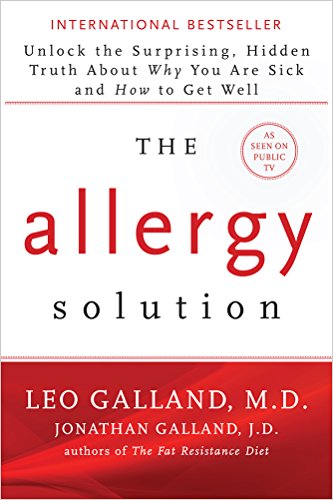
The Allergy Solution: Unlock the Surprising, Hidden Truth About Why You Are Sick and How to Get Well: Galland, Leo, M.D., Galland, Jonathan
In this groundbreaking book, award-winning doctor Leo Galland, M.D., <strong>reveals the shocking rise of hidden allergies that lead to weight gain, fatigue, brain fog, depression, joint pain, headach
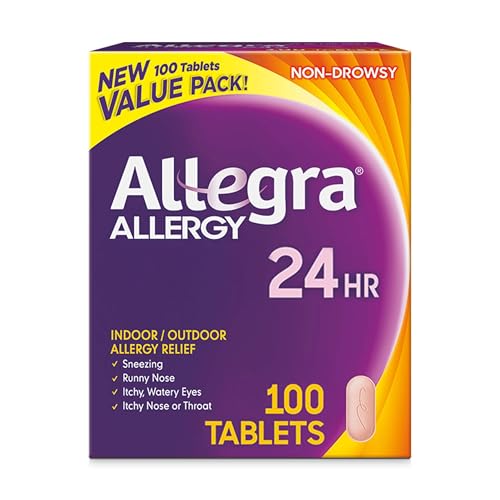
Allegra Adult 24-Hour Allergy Relief Tablets, Non-Drowsy Indoor and Outdoor Allergy Medicine, 180 mg Fexofenadine HCI Antihistamine Pill, 100-Count
Allegra Adult 24-Hour Allergy Relief Tablets, Non-Drowsy Indoor and Outdoor Allergy Medicine, 180 mg Fexofenadine HCI Antihistamine Pill, 90 Count Plus 1 Count Travel Pack

NeilMed Sinus Rinse - A Complete Sinus Nasal Rinse Kit, 50 count (Pack of 1) Count may vary
Buy NeilMed Sinus Rinse - A Complete Sinus Nasal Rinse Kit, 50 count (Pack of 1) Count may vary on Amazon.com ✓ FREE SHIPPING on qualified orders
Evidence & Sources
Supported by multiple clinical trials and systematic reviews
- FDA prescribing information for fexofenadine
- ARIA (Allergic Rhinitis and its Impact on Asthma) guidelines
- AAAAI/ACAAI practice parameters
- EAACI guidelines on allergic rhinitis and urticaria
- NCCIH (National Center for Complementary and Integrative Health)
- The Journal of Allergy and Clinical Immunology
- Drugs
- Clinical Pharmacokinetics
This content is for informational purposes only and does not constitute medical advice. Always consult a qualified healthcare provider before starting, stopping, or changing any supplement or medication regimen.