

Famotidine
Also known as: Pepcid, famotodine
Overview
Famotidine is a conventional medication in the histamine-2 receptor blocker (H2 blocker) class, primarily used to reduce stomach acid production. It is commonly associated with the management of heartburn, gastroesophageal reflux disease (GERD), acid indigestion, and certain ulcer-related conditions, and it is also used in some settings involving excess acid secretion. By lowering acid output, famotidine can help reduce irritation of the esophagus and stomach lining, which is why it is widely recognized in both prescription and over-the-counter contexts.
From a public health standpoint, famotidine sits within a much broader conversation about digestive symptoms, acid suppression, and long-term symptom management. Heartburn and reflux are extremely common, and many people seek either intermittent relief or longer-term support when symptoms recur. Interest in famotidine often overlaps with questions about diet, stress, gut function, microbiome health, and whether ongoing acid suppression is necessary or ideal, especially for people exploring integrative or natural approaches to digestion.
Although famotidine is often grouped together with other acid-reducing drugs, it differs from proton pump inhibitors (PPIs) in both mechanism and duration. H2 blockers generally work by blocking histamine signaling at receptors in the stomach, thereby reducing acid secretion, while PPIs suppress acid production more deeply by targeting the acid pump directly. In conventional care, famotidine is often viewed as useful for milder or intermittent symptoms, though its role depends on the clinical context.
In integrative health discussions, famotidine is not usually considered a root-cause therapy; rather, it is understood as a symptom-modifying medication. This distinction matters because reflux-like symptoms can arise from multiple factors, including dietary triggers, hiatal hernia, delayed gastric emptying, medication effects, body weight, alcohol use, pregnancy, and stress-related digestive changes. For that reason, many people interested in reducing reliance on acid suppressants also explore broader lifestyle, dietary, and traditional medicine frameworks while consulting qualified healthcare professionals.
Medical Perspectives
Two Ways of Seeing Health

Western
scientific · clinical
Western medicine applies science, technology, and clinical experience to treat symptoms through testing, diagnosis, and targeted intervention.

Eastern
traditional · alternative
Eastern medicine focuses on treating the body naturally by applying traditional knowledge practiced for thousands of years, emphasizing balance and whole-person wellness.
Gold Bamboo presents both perspectives side-by-side so you can make informed decisions. We don't advocate for one over the other — your health choices are yours.
Western Medicine Perspective
Western Medicine Perspective
In conventional medicine, famotidine is understood as an H2 receptor antagonist that reduces gastric acid secretion by blocking histamine stimulation of parietal cells in the stomach. It is used for conditions such as episodic heartburn, GERD, peptic ulcer disease, and hypersecretory states. Research and clinical guidelines generally support the use of acid-suppressive therapy when symptoms are frequent, when esophageal irritation is present, or when there is a documented acid-related disorder.
Famotidine is often considered to have a more moderate acid-suppressing effect than PPIs, but it may be useful in selected situations, including nighttime symptoms or when a less intensive acid-lowering approach is being considered. Conventional medicine also recognizes that not all upper digestive symptoms are caused by excess acid. Clinicians may distinguish among GERD, functional dyspepsia, ulcer disease, medication-induced irritation, eosinophilic esophagitis, gallbladder disease, and cardiac causes of chest discomfort, depending on the presentation.
From a safety perspective, famotidine is generally regarded as well studied, but long-term use of any acid-lowering therapy raises clinical questions about symptom masking, underlying causes, nutrient absorption, infection risk, and appropriateness of continued therapy. Compared with some other acid suppressants, famotidine is often viewed as relatively straightforward pharmacologically, though dose adjustment may be relevant in kidney impairment, and adverse effects such as headache, dizziness, constipation, or diarrhea can occur. Conventional care also emphasizes that persistent reflux symptoms, trouble swallowing, gastrointestinal bleeding, unexplained weight loss, or anemia warrant medical evaluation rather than simple symptom suppression.
Current evidence-based care often combines medication with lifestyle and dietary measures, such as identifying trigger foods, meal timing adjustments, reducing late-night eating, weight management when relevant, and avoiding tobacco exposure. In this model, famotidine is one tool within a broader framework of digestive evaluation and symptom management rather than a universal solution.
Eastern & Traditional Perspective
Eastern / Traditional Medicine Perspective
Traditional systems of medicine do not describe famotidine itself as a therapeutic concept, but they do address the patterns of digestive imbalance that may resemble heartburn, acid regurgitation, upper abdominal burning, or reflux. In Traditional Chinese Medicine (TCM), these symptoms may be interpreted through patterns such as rebellious Stomach Qi, Liver overacting on the Stomach, food stagnation, heat in the Stomach, or Spleen weakness with impaired transformation and transport. The focus is generally less on suppressing acid directly and more on restoring directional flow, reducing internal heat, and improving digestive harmony.
In Ayurveda, reflux-like symptoms are often discussed in relation to aggravated Pitta, sometimes combined with impaired digestion or irregular digestive fire. Burning sensations, sour belching, and irritability around meals may be viewed as signs of excess heat and disturbance in the upper gastrointestinal tract. Traditional approaches may include attention to meal regularity, food qualities, stress balance, and constitution-specific patterns, rather than viewing all heartburn as a single disease entity.
Naturopathic and integrative traditions frequently frame chronic reflux symptoms within a broader systems perspective that may include dietary triggers, stress physiology, motility, microbiome balance, body mechanics, and mucosal irritation. Some practitioners discuss whether low stomach acid, hypersensitivity, or impaired esophageal clearance contributes to symptoms in certain individuals, though these ideas vary in evidentiary support and are not uniformly accepted in mainstream gastroenterology.
Research on traditional modalities for reflux and dyspepsia is growing but remains heterogeneous and mixed in quality. Some studies suggest benefit from selected herbal formulas, acupuncture, and mind-body strategies for upper GI symptoms, but findings are often limited by small sample sizes, variable diagnostic criteria, and differences in traditional pattern identification. As a result, eastern and traditional frameworks are best understood as complementary interpretive systems that may offer broader context for digestive health, while persistent or severe symptoms still require evaluation by qualified medical professionals.
Supplements & Products
Recommended Products
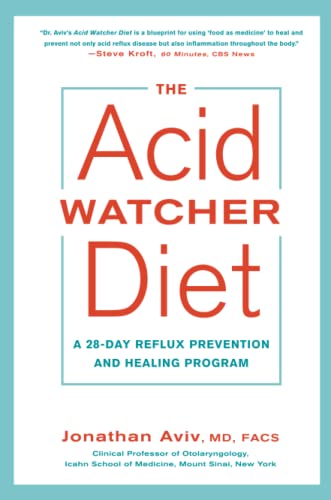
The Acid Watcher Diet: A 28-Day Reflux Prevention and Healing Program: Aviv MD FACS, Jonathan
Jonathan Aviv, <strong>a leading authority on the diagnosis and treatment of acid reflux disease</strong>, helps readers identify those often misunderstood symptoms while providing a proven solution f
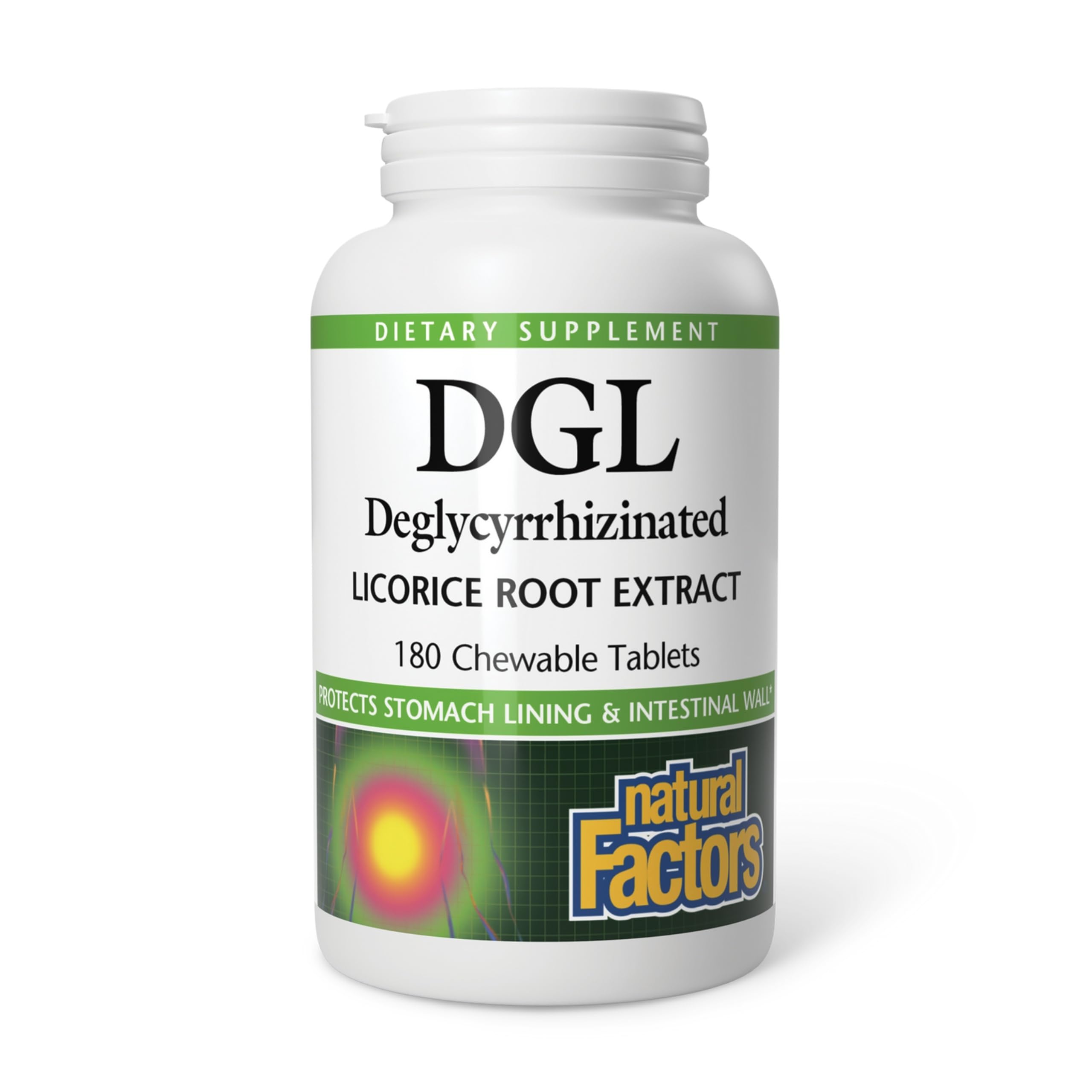
Natural Factors DGL Chewable - Digestive Support Supplement with Licorice Root Extract - Chewable Tablets Support Stomach Lining & Health - Non-GMO & Gluten-Free - 90 Chewable Tablets (90 Servings)
This sugar-free licorice extract is <strong>a natural supplement that supports the mucus lining of the stomach and intestinal wall</strong>. It’s specially formulated to remove glycyrrhizin which help

Jarrow Mastic Gum 1000mg & Doctor's Best PepZin GI Zinc-L-Carnosine Complex 120 Veggie Capsules Gastrointestinal & Digestive Support
Used for over 2500 years, mastic gum supports the health of stomach and duodenal cells. The Doctor's Best PepZin GI pairs zinc with L-carnosine, <strong>an antioxidant complex developed in Japan
Evidence & Sources
Supported by multiple clinical trials and systematic reviews
- U.S. Food and Drug Administration (FDA)
- National Institute of Diabetes and Digestive and Kidney Diseases (NIDDK)
- American College of Gastroenterology Guidelines
- StatPearls
- Cochrane Database of Systematic Reviews
- National Center for Complementary and Integrative Health (NCCIH)
- World Gastroenterology Organisation Global Guidelines
This content is for informational purposes only and does not constitute medical advice. Always consult a qualified healthcare provider before starting, stopping, or changing any supplement or medication regimen.