

Escitalopram
Also known as: Lexapro, escitalpram
Overview
Escitalopram is a prescription medication in the selective serotonin reuptake inhibitor (SSRI) class, commonly used in the management of major depressive disorder and generalized anxiety disorder. It is the active S-enantiomer of citalopram and is widely recognized in conventional care for its role in helping regulate mood, anxiety, and related emotional symptoms. Because depression and anxiety are among the most prevalent mental health conditions worldwide, escitalopram is frequently discussed not only in clinical settings but also in broader conversations about stress, resilience, sleep, and quality of life.
From a practical standpoint, public interest in escitalopram often centers on several recurring questions: how it works, how long it takes to notice effects, common side effects, sexual side effects, weight changes, interactions with other substances, and what happens when stopping the medication. Research suggests that, like other SSRIs, escitalopram may help increase serotonin signaling in the brain by reducing reuptake of serotonin at the synapse. Although this mechanism is central to the drug’s classification, modern psychiatry generally understands depression and anxiety as complex conditions involving biological, psychological, social, and environmental factors rather than a simple “chemical imbalance.”
Escitalopram is also notable because many people explore it alongside non-pharmacologic and complementary approaches, such as psychotherapy, mindfulness practices, exercise, sleep support, nutrition, acupuncture, and stress-management strategies. This is especially common among individuals seeking a broader framework for emotional health or hoping to reduce the overall burden of symptoms. At the same time, combining prescription medications with supplements or herbs requires caution, since some natural products that affect serotonin or liver metabolism may increase the risk of adverse effects or interactions.
A balanced discussion of escitalopram includes both its potential benefits and its limitations. Clinical studies indicate that SSRIs can be helpful for many people, but response varies, and some individuals experience side effects, partial benefit, or difficulty when discontinuing therapy. For that reason, escitalopram is best understood as one component of a larger mental health landscape, where medication, therapy, lifestyle factors, and individualized care all play important roles. Any questions about use, side effects, tapering, or integrative support are generally best reviewed with a qualified healthcare professional familiar with the person’s overall health history.
Medical Perspectives
Two Ways of Seeing Health

Western
scientific · clinical
Western medicine applies science, technology, and clinical experience to treat symptoms through testing, diagnosis, and targeted intervention.

Eastern
traditional · alternative
Eastern medicine focuses on treating the body naturally by applying traditional knowledge practiced for thousands of years, emphasizing balance and whole-person wellness.
Gold Bamboo presents both perspectives side-by-side so you can make informed decisions. We don't advocate for one over the other — your health choices are yours.
Western Medicine Perspective
Western Medicine Perspective
In conventional medicine, escitalopram is viewed as an evidence-based antidepressant and anxiolytic medication. It is FDA-approved for major depressive disorder and generalized anxiety disorder, and it is also used in some cases for related conditions depending on the clinical context. Treatment decisions are typically based on symptom pattern, severity, prior treatment response, coexisting medical conditions, other medications, and patient preference. Major guidelines generally consider SSRIs, including escitalopram, among the first-line pharmacologic options for common depressive and anxiety disorders because of their overall efficacy and relative tolerability compared with older antidepressants.
Research indicates that escitalopram may reduce core symptoms such as persistent low mood, excessive worry, irritability, sleep disruption, impaired concentration, and somatic tension. However, benefit is not immediate; symptom improvement often develops over several weeks. Conventional care also emphasizes that medication response is individualized. Some people experience meaningful improvement, while others may have minimal benefit or troublesome adverse effects. Commonly reported side effects include nausea, headache, sleep changes, sweating, gastrointestinal upset, fatigue, and sexual dysfunction. Depending on the person and context, clinicians also monitor for activation, emotional blunting, QT-related concerns in select populations, hyponatremia, bleeding risk when combined with certain drugs, and rare but serious concerns such as serotonin syndrome.
Another important focus in western medicine is discontinuation. Stopping escitalopram abruptly may lead to discontinuation symptoms in some individuals, sometimes described as dizziness, flu-like sensations, irritability, insomnia, sensory disturbances, or increased anxiety. This is distinct from addiction, as SSRIs are not generally considered addictive in the way substances of misuse are, but the body can adapt to their presence. For this reason, changes in use are generally managed through individualized medical supervision. Conventional medicine also strongly emphasizes screening for bipolar disorder, suicidality, substance use, pregnancy considerations, and potential medication interactions before and during treatment.
Eastern & Traditional Perspective
Eastern/Traditional Medicine Perspective
In Traditional Chinese Medicine (TCM), symptoms associated with depression and anxiety are not typically framed in terms of serotonin or DSM diagnoses, but rather through patterns of imbalance such as Liver qi stagnation, Heart shen disturbance, Spleen deficiency, or disharmony between the Heart and Kidney. Emotional distress may be understood as affecting the smooth flow of qi, the stability of the spirit, and the balance between rest, digestion, and mental clarity. From this perspective, low mood, rumination, insomnia, palpitations, digestive symptoms, and fatigue can reflect interconnected patterns rather than isolated psychiatric symptoms.
Traditional approaches may include acupuncture, herbal medicine, breathing practices, meditation, dietary therapy, and lifestyle regulation aimed at restoring balance and improving resilience. Research on acupuncture for depression and anxiety remains mixed but suggests potential benefit for some individuals, particularly as an adjunctive approach for stress, sleep, or somatic tension. Herbal traditions in TCM and Ayurveda also include remedies historically used for emotional imbalance, but these require particular caution when used alongside escitalopram because certain herbs and supplements may affect serotonin pathways or drug metabolism.
In Ayurveda, emotional health may be interpreted through the balance of doshas, especially disturbances involving vata (linked with anxiety, restlessness, insomnia) and sometimes kapha (linked with heaviness, lethargy, low mood). Ayurveda often frames care around digestion, nervous system regulation, daily rhythm, restorative practices, and mind-body harmony. Similarly, naturopathic and integrative traditions may emphasize sleep hygiene, movement, social connection, anti-inflammatory dietary patterns, mindfulness, and individualized root-cause assessment. While many of these supportive strategies are compatible with conventional care, traditional systems generally function best in a coordinated model where licensed practitioners and prescribing clinicians are aware of all therapies being used.
An integrative perspective does not position escitalopram and traditional medicine as mutually exclusive. Rather, it views mood disorders as multidimensional conditions that may be approached through both symptom-focused treatments and broader efforts to support stress resilience, sleep, autonomic balance, and overall wellbeing. Because interactions and safety issues can arise, especially with herbs, supplements, or abrupt medication changes, collaborative oversight from qualified professionals remains important.
Supplements & Products
Recommended Products
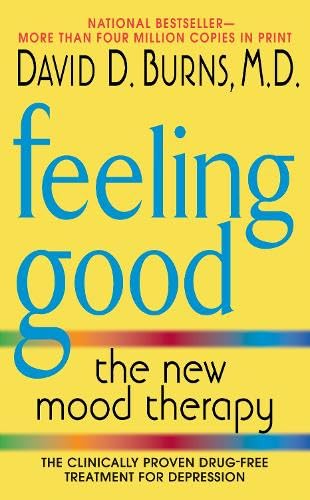
Feeling Good: The New Mood Therapy: David D. Burns
David D. Burns, M.D., a clinical psychiatrist, conveys his ideas with warmth, compassion, understanding, and humor unmatched by any other writer in the self-help field. His bestselling Feeling Good: T

Nordic Naturals Ultimate Omega, Lemon Flavor - 90 Soft Gels - 1280 mg Omega-3 - High-Potency Omega-3 Fish Oil Supplement with EPA & DHA - Promotes Brain & Heart Health - Non-GMO - 45 Servings
Buy Nordic Naturals Ultimate Omega, Lemon Flavor - 90 Soft Gels - 1280 mg Omega-3 - High-Potency Omega-3 Fish Oil Supplement with EPA & DHA - Promotes Brain & Heart Health - Non-GMO - 45 Servi

Verilux HappyLight Luxe - Light Therapy Lamp with 10,000 Lux, UV-Free, LED Bright White Light with Adjustable Brightness, Color, Countdown Timer, & Stand - Boost Mood, Sleep, Focus (White)
Verilux HappyLight Lumi Plus - Light Therapy Lamp with 10,000 Lux, <strong>UV-Free, LED Bright White Light with Adjustable Brightness, Countdown Timer, & Detachable Stand - Boost Mood, Sleep, and
Evidence & Sources
Supported by multiple clinical trials and systematic reviews
- U.S. Food and Drug Administration (FDA) Prescribing Information for Lexapro
- National Institute for Health and Care Excellence (NICE) Depression and Anxiety Guidelines
- American Psychiatric Association Practice Guideline for the Treatment of Patients With Major Depressive Disorder
- Cochrane Reviews on antidepressants for depression and anxiety disorders
- National Institute of Mental Health (NIMH)
- National Center for Complementary and Integrative Health (NCCIH)
- JAMA Psychiatry
- The Lancet Psychiatry
- New England Journal of Medicine
- World Health Organization (WHO) Mental Health Resources
This content is for informational purposes only and does not constitute medical advice. Always consult a qualified healthcare provider before starting, stopping, or changing any supplement or medication regimen.