

Duloxetine
Also known as: Cymbalta, SNRI medication, Duloxetine
Overview
Duloxetine is a prescription medication in the serotonin-norepinephrine reuptake inhibitor (SNRI) class. It is widely used in conventional medicine for major depressive disorder, generalized anxiety disorder, and several pain-related conditions, including diabetic peripheral neuropathic pain, fibromyalgia, and chronic musculoskeletal pain. By affecting the signaling of serotonin and norepinephrine in the central nervous system, duloxetine occupies an important place at the intersection of mental health treatment and pain management.
Its significance stems from the fact that many people experience overlapping mood and pain symptoms. Research suggests that pathways involved in emotional regulation and pain processing are closely connected, which helps explain why a medication like duloxetine may be studied across multiple conditions. In clinical settings, it is often considered when symptoms involve both affective distress and persistent pain, or when other therapies have not provided adequate benefit.
Like other antidepressant medications, duloxetine has a well-characterized safety and efficacy profile, but it also carries important cautions. Studies indicate that potential adverse effects may include nausea, dry mouth, sleep disturbance, sweating, dizziness, constipation, and sexual side effects. More serious concerns may include blood pressure changes, liver-related warnings, serotonin syndrome, withdrawal-like discontinuation symptoms, and increased suicidality warnings in younger populations, particularly early in treatment or during dose changes. Because of these considerations, duloxetine is generally discussed within the context of individualized medical oversight.
From a broader integrative perspective, duloxetine is often viewed not simply as a symptom-targeting drug, but as one part of a larger care picture that may include psychotherapy, physical rehabilitation, sleep support, lifestyle measures, and traditional approaches. On a site focused on alternative and complementary medicine, it is especially important to recognize that medications like duloxetine may interact conceptually and sometimes clinically with herbal products, supplements, and mind-body therapies. Consultation with a qualified healthcare professional is important when considering how conventional and traditional approaches may fit together.
Medical Perspectives
Two Ways of Seeing Health

Western
scientific · clinical
Western medicine applies science, technology, and clinical experience to treat symptoms through testing, diagnosis, and targeted intervention.

Eastern
traditional · alternative
Eastern medicine focuses on treating the body naturally by applying traditional knowledge practiced for thousands of years, emphasizing balance and whole-person wellness.
Gold Bamboo presents both perspectives side-by-side so you can make informed decisions. We don't advocate for one over the other — your health choices are yours.
Western Medicine Perspective
Western / Conventional Medicine Perspective
In conventional medicine, duloxetine is understood as an SNRI that inhibits the reuptake of serotonin and norepinephrine, increasing their availability in synaptic signaling. This mechanism is relevant not only to depression and anxiety disorders, but also to descending pain modulation pathways in the brain and spinal cord. That dual effect helps explain why duloxetine has FDA-recognized uses across both psychiatric and pain indications. Evidence from randomized controlled trials and systematic reviews supports its role in major depressive disorder, generalized anxiety disorder, diabetic neuropathic pain, fibromyalgia, and chronic musculoskeletal pain, although degree of benefit varies by condition and by individual.
Clinicians typically view duloxetine as one of several first-line or commonly used pharmacologic options depending on the diagnosis, coexisting symptoms, prior treatment history, and tolerability considerations. In depression and anxiety, it is generally compared with other antidepressants such as SSRIs and other SNRIs. In pain medicine, it is often discussed as a centrally acting analgesic option for neuropathic and centralized pain syndromes, rather than as a traditional anti-inflammatory agent. Research suggests it may be particularly relevant in patients whose pain is accompanied by mood symptoms, sleep disruption, or functional impairment.
Conventional safety discussions are central to the use of duloxetine. Labeling and guideline-based reviews note concerns involving discontinuation symptoms if stopped abruptly, serotonergic drug interactions, potential hypertension, rare but important liver toxicity, and possible worsening of glaucoma risk in susceptible individuals. As with other antidepressants, monitoring is often emphasized during treatment initiation and adjustment, especially in younger patients due to the boxed warning regarding suicidal thoughts and behaviors. The overall medical view is that duloxetine is a well-studied, evidence-supported medication, but one that requires attention to contraindications, comorbidities, and ongoing clinician supervision.
Eastern & Traditional Perspective
Eastern / Traditional Medicine Perspective
Traditional medical systems do not historically describe duloxetine itself, since it is a modern pharmaceutical, but they may interpret the symptom patterns it is used for through different frameworks. In Traditional Chinese Medicine (TCM), depression, anxiety, and chronic pain may be associated with patterns such as Liver qi stagnation, Heart shen disturbance, Spleen deficiency, or qi and blood stagnation obstructing the channels. From this perspective, the focus is less on neurotransmitter modulation and more on restoring systemic balance, emotional flow, and harmonious circulation.
In Ayurveda, overlapping symptoms of low mood, agitation, fatigue, and pain may be interpreted through disturbances in Vata, Pitta, or Kapha, depending on presentation, with attention to manas (mind), nervous system regulation, digestion, sleep, and resilience. Naturopathic and integrative frameworks may similarly emphasize the relationship among stress physiology, inflammation, sleep quality, movement, and emotional health. These systems often frame chronic pain and mood disorders as multifactorial imbalances rather than isolated diagnoses.
Within integrative care, duloxetine may be viewed as a conventional therapy that addresses one aspect of the symptom picture, while traditional modalities such as acupuncture, meditation, yoga, breathwork, manual therapies, or individualized herbal traditions may be explored for broader support. Research on acupuncture and mind-body interventions for anxiety, depression, and chronic pain is growing, though evidence quality varies by modality and condition. Importantly, some herbs and supplements used in traditional practice may have serotonergic, sedating, or liver-related effects, so coordinated review with a healthcare professional is important when combining them with duloxetine.
Overall, eastern and traditional systems tend to place duloxetine within a broader picture of pattern-based healing, constitutional assessment, and whole-person care. Rather than directly validating or rejecting the medication, these traditions often seek to contextualize it alongside nonpharmacologic strategies and individualized assessment by appropriately trained practitioners.
Supplements & Products
Recommended Products
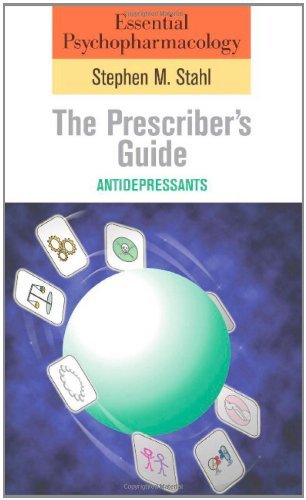
The Prescriber's Guide, Antidepressants (Stahl's Essential Psychopharmacology)
In response to rapid developments in psychopharmacology, this is a spin-off from Stephen M. Stahl’s new, completely revised and updated version of his much-acclaimed Prescriber’s Guide. It <strong>cov
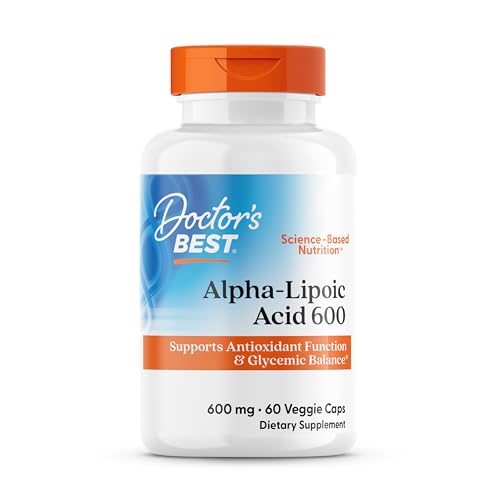
Doctor's Best Alpha Lipoic Acid Supplement 600mg - Alpha-Lipoic Acid Caps for Men & Women, ALA Antioxidant Support for Nerve Health, Aids in Cellular Function, Non GMO, Gluten Free - 60 Veg Capsules
SUPPORTS ANTIOXIDANT FUNCTION: ... · HIGH POTENCY 600 MG: <strong>Each capsule delivers a full 600mg dose of alpha lipoic acid in a vegan-friendly formula that is non-GMO, gluten free, and soy free</s

iReliev TENS + EMS Combination Unit Muscle Stimulator for Pain Relief, Arthritis, Muscle Strength - Treats Tired, Sore Muscles in Your Shoulders, Back, Ab's, Legs, Knee's, More
The iReliev Bundle <strong>delivers low-voltage pulses to the skin to stimulate nerve fibers effectively blocking the pain signal to your brain</strong>. Also increases natural endorphins--a natural p
Evidence & Sources
Supported by multiple clinical trials and systematic reviews
- U.S. Food and Drug Administration (FDA) Prescribing Information for Cymbalta
- National Institute for Health and Care Excellence (NICE) Guidelines
- American Psychiatric Association
- Cochrane Reviews
- New England Journal of Medicine
- JAMA
- Pain
- Arthritis & Rheumatology
- National Center for Complementary and Integrative Health (NCCIH)
- World Health Organization (WHO)
This content is for informational purposes only and does not constitute medical advice. Always consult a qualified healthcare provider before starting, stopping, or changing any supplement or medication regimen.