

Diuretics
Also known as: water pills, fluid pills, diuretic medications
Overview
Diuretics are a broad class of substances that increase urine production and help the body eliminate excess sodium and water. In conventional medicine, prescription diuretics are commonly used for high blood pressure, edema (fluid retention), heart failure, certain kidney or liver-related fluid disorders, and some electrolyte-related conditions. The category includes several medication types—most notably thiazide diuretics, loop diuretics, potassium-sparing diuretics, and carbonic anhydrase inhibitors—each working at different parts of the kidney and carrying different effects on fluid balance and minerals.
Diuretics are clinically important because excess fluid can worsen symptoms such as swelling, shortness of breath, elevated blood pressure, and strain on the heart. At the same time, increased urine output may contribute to dehydration, dizziness, frequent urination, and changes in electrolyte levels, including sodium, potassium, magnesium, and calcium. For this reason, interest in diuretics often extends beyond the drugs themselves to related topics such as electrolyte support, kidney function monitoring, medication interactions, and gentler or “natural” approaches to fluid balance.
From a public health perspective, diuretics are among the most widely used cardiovascular and fluid-management medications worldwide. Thiazide-type diuretics in particular have long been part of first-line treatment strategies for hypertension in many guidelines because studies indicate they can reduce cardiovascular risk in appropriate patients. However, not all diuretics are interchangeable: a medication used for blood pressure may not have the same role as one used for acute fluid overload in heart failure, and safety considerations vary depending on age, kidney function, coexisting illness, and concurrent medications.
In complementary and traditional medicine discussions, “diuretic” may also refer to herbs, foods, or formulas traditionally used to promote urination or reduce dampness, water retention, or swelling. These approaches are conceptually different from prescription diuretics and may range from culinary ingredients to formal herbal preparations. Although some natural agents show early or moderate evidence of mild diuretic activity, they can still affect blood pressure, hydration, and mineral balance. For that reason, any use of diuretic substances—pharmaceutical or botanical—is best understood in the context of a person’s full health picture and ideally with guidance from a qualified healthcare professional.
Medical Perspectives
Two Ways of Seeing Health

Western
scientific · clinical
Western medicine applies science, technology, and clinical experience to treat symptoms through testing, diagnosis, and targeted intervention.

Eastern
traditional · alternative
Eastern medicine focuses on treating the body naturally by applying traditional knowledge practiced for thousands of years, emphasizing balance and whole-person wellness.
Gold Bamboo presents both perspectives side-by-side so you can make informed decisions. We don't advocate for one over the other — your health choices are yours.
Western Medicine Perspective
Western Medicine Perspective
In conventional medicine, diuretics are defined by their mechanism of action in the kidneys. Thiazide and thiazide-like diuretics reduce sodium reabsorption in the distal tubule and are widely used for hypertension. Loop diuretics act in the loop of Henle and are generally more potent for removing excess fluid, especially in edema and heart failure. Potassium-sparing diuretics help limit potassium loss and may be used alone or with other diuretics; some, such as mineralocorticoid receptor antagonists, also play important roles in heart failure and certain endocrine conditions. Carbonic anhydrase inhibitors and osmotic diuretics have more specialized uses, including glaucoma, altitude-related indications, neurologic settings, or specific renal scenarios.
The benefits and risks of diuretics depend heavily on context. Large clinical trials and guideline reviews suggest thiazide-type diuretics are effective for lowering blood pressure and reducing risk of stroke and other cardiovascular events in many populations. Loop diuretics are central to symptom relief in fluid overload, though they are less often used as primary blood pressure drugs. Common adverse effects include volume depletion, low blood pressure, dizziness, increased urination, gout flares, and electrolyte abnormalities such as low sodium or low potassium. Some agents may also affect blood sugar, uric acid, kidney function markers, or calcium balance.
Monitoring is a major part of safe diuretic use in standard care. Clinicians often evaluate renal function, serum electrolytes, blood pressure, body weight trends, and symptoms of dehydration or congestion. Drug interactions also matter: diuretics may interact with antihypertensives, NSAIDs, lithium, digoxin, corticosteroids, and certain supplements or herbal products. From a conventional standpoint, interest in “natural diuretics” is approached cautiously because even mild diuretic effects can compound medication-related fluid loss or alter electrolyte status. Research supports medical use of prescription diuretics strongly, while evidence for over-the-counter or herbal alternatives is generally less robust and more variable in quality.
Eastern & Traditional Perspective
Eastern/Traditional Medicine Perspective
In Traditional Chinese Medicine (TCM), fluid retention is not usually framed simply as “too much water,” but as a pattern involving dampness, phlegm-fluid accumulation, spleen qi deficiency, kidney yang deficiency, or impaired transformation and transportation of fluids. Herbs and formulas traditionally used to “promote urination and leach out dampness” may be considered when there is swelling, scanty urination, heaviness, or certain digestive symptoms. Examples from the classical materia medica include herbs such as Fu Ling (Poria), Ze Xie (Alisma), Zhu Ling, and Yi Yi Ren (Coix seed), though TCM typically evaluates these within a broader pattern rather than as stand-alone “diuretics” in the pharmaceutical sense.
In Ayurveda, excess fluid retention may be understood through imbalances involving kapha, meda, agni, and mutravaha srotas (the urinary channels). Traditional approaches may emphasize supporting elimination, digestion, and metabolic balance through individualized diet, herbs, and lifestyle measures. Plants such as punarnava (Boerhavia diffusa) have been traditionally used in Ayurvedic practice in relation to swelling and urinary support, and some modern studies suggest possible diuretic or nephroprotective effects. However, the quality of evidence varies, and traditional use does not equate to the same evidence base as prescription medications.
In naturopathy and broader herbal traditions, substances like dandelion leaf, parsley, juniper, or hibiscus are often discussed for mild fluid support. Some small studies and traditional references suggest modest diuretic activity for certain botanicals, but findings are inconsistent and standardization is a challenge. Traditional systems generally emphasize constitutional assessment and the cause of fluid imbalance rather than viewing all edema or hypertension as the same condition. A balanced integrative perspective recognizes that these traditions may offer useful conceptual frameworks and supportive practices, while also acknowledging that significant swelling, heart symptoms, kidney disease, or medication-related electrolyte issues warrant evaluation by licensed healthcare professionals.
Supplements & Products
Recommended Products

The High Blood Pressure Solution: A Scientifically Proven Program for Preventing Strokes and Heart Disease: Moore, Richard D.
Moore makes it clear that high blood pressure is only one symptom of an entire systemic imbalance. He <strong>outlines a safe, effective program that focuses on nutrition, weight loss, and exercise to

Jigsaw Health Electrolyte Supreme | Broad Spectrum of Electrolytes + Trace Minerals | Fruit Punch Flavor | 60 Servings (Jar)
Optimal Hydration: Enhance energy production with this mix of key electrolytes and minerals such as calcium, magnesium, zinc, selenium, sodium, potassium and B-complex vitamins in their active, bioava
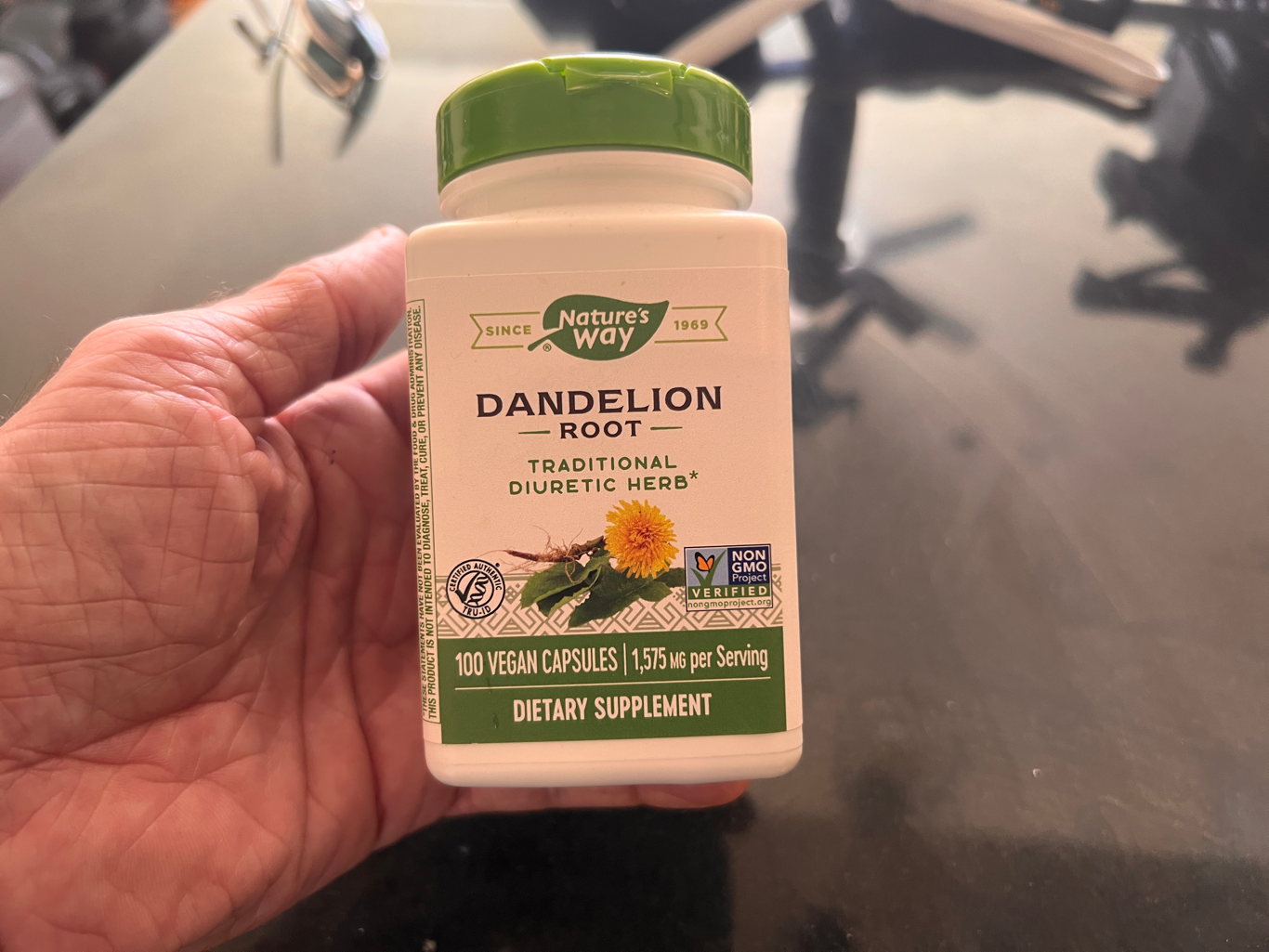
Nature's Way Dandelion Root, Traditional Diuretic Herb*, Traditionally used to Soothe Digestive Upset*, Vegan, 180 Capsules (Packaging May Vary)
Buy Nature's Way Dandelion Root, Traditional Diuretic Herb*, Traditionally used to Soothe Digestive Upset*, Vegan, 180 Capsules (Packaging May Vary) on Amazon.com ✓ FREE SHIPPING on qualified ord
Evidence & Sources
Supported by multiple clinical trials and systematic reviews
- American Heart Association (AHA) Hypertension Guidelines
- Journal of the American College of Cardiology
- European Society of Cardiology (ESC) Heart Failure Guidelines
- National Institute for Health and Care Excellence (NICE)
- StatPearls: Diuretics
- National Center for Complementary and Integrative Health (NCCIH)
- World Health Organization (WHO) Traditional Medicine resources
- Cochrane Reviews
This content is for informational purposes only and does not constitute medical advice. Always consult a qualified healthcare provider before starting, stopping, or changing any supplement or medication regimen.