

Decongestants
Also known as: nasal decongestants, sinus congestion medicines
Overview
Decongestants are substances used to reduce nasal congestion, a symptom commonly associated with the common cold, allergic rhinitis, influenza, and sinus inflammation. In conventional medicine, the term usually refers to medications such as pseudoephedrine, phenylephrine, and topical nasal vasoconstrictors like oxymetazoline, which work by narrowing swollen blood vessels in the nasal passages. This can temporarily improve airflow and reduce the sensation of stuffiness. Because congestion is a symptom rather than a disease itself, decongestants are generally understood as short-term symptom-relief tools rather than treatments for the underlying cause.
Congestion is extremely common across age groups and is one of the most frequent reasons people seek over-the-counter remedies. At the same time, decongestants are a topic of ongoing interest because their effects can extend beyond the nose. Oral products may cause jitteriness, increased heart rate, sleep disturbance, or elevated blood pressure in some individuals, while topical nasal sprays may lead to rebound congestion when used for too many consecutive days. These limitations are a major reason many people also look into saline rinses, humidification, steam, herbal traditions, or other supportive non-drug approaches.
From a broader health perspective, decongestants sit at the intersection of symptom management, medication safety, and integrative care. For some people, they are helpful and straightforward; for others—especially those with hypertension, cardiovascular disease, glaucoma, thyroid disorders, pregnancy-related considerations, or medication interactions—the risk-benefit discussion may be more complex. This has led to growing public and clinical interest in understanding not only how standard decongestants work, but also how lifestyle measures and traditional medicine systems interpret congestion and attempt to relieve it.
An evidence-based view recognizes that decongestants can be useful for temporary relief, but they are not universally appropriate, and not all products have equal supporting data. Research also suggests that patient experience varies substantially depending on the cause of congestion, the route of administration, and the duration of use. As with any medication-related topic, persistent, severe, or recurrent nasal blockage warrants evaluation by a qualified healthcare professional to clarify whether the cause is infectious, allergic, structural, or inflammatory.
Medical Perspectives
Two Ways of Seeing Health

Western
scientific · clinical
Western medicine applies science, technology, and clinical experience to treat symptoms through testing, diagnosis, and targeted intervention.

Eastern
traditional · alternative
Eastern medicine focuses on treating the body naturally by applying traditional knowledge practiced for thousands of years, emphasizing balance and whole-person wellness.
Gold Bamboo presents both perspectives side-by-side so you can make informed decisions. We don't advocate for one over the other — your health choices are yours.
Western Medicine Perspective
Western Medicine Perspective
In conventional medicine, nasal congestion is generally understood as the result of inflamed and engorged blood vessels and tissues in the nasal mucosa, often triggered by viral infection, allergy, irritants, or sinus disease. Oral decongestants such as pseudoephedrine act systemically as sympathomimetic agents, while topical decongestant sprays such as oxymetazoline and phenylephrine act locally on nasal blood vessels. The goal is to reduce mucosal swelling and improve drainage and airflow. Clinical use is typically framed as short-term symptom relief, especially during upper respiratory infections or flare-ups of allergic symptoms.
Conventional medicine also emphasizes the limitations and safety concerns of these products. Oral decongestants may be associated with insomnia, nervousness, palpitations, urinary retention, and increases in blood pressure in susceptible individuals. Topical sprays can be very effective in the short term, but extended use has long been associated with rhinitis medicamentosa, commonly called rebound congestion. In addition, evidence for some agents has been debated; for example, phenylephrine has been the subject of significant scrutiny regarding its effectiveness when taken orally, with some reviews and regulatory discussions suggesting limited clinical benefit at standard doses.
For chronic or recurrent congestion, western care often shifts attention from decongestants themselves to the underlying diagnosis. Allergic rhinitis may be addressed with intranasal corticosteroids, antihistamines, trigger avoidance, or immunologic strategies; viral illness is generally managed supportively; bacterial sinusitis is evaluated more selectively; and structural issues such as deviated septum or nasal polyps may require specialist assessment. Non-drug supportive measures such as saline irrigation are commonly recognized as useful adjuncts with a relatively favorable safety profile. In this framework, decongestants are one tool among many, not the sole answer to nasal symptoms.
Mainstream guidance generally stresses careful label review, awareness of combination cold products, and individualized consideration for people with chronic medical conditions or concurrent medications. Consultation with a clinician or pharmacist is especially important when congestion is prolonged, accompanied by fever, facial swelling, shortness of breath, chest symptoms, or frequent recurrence.
Eastern & Traditional Perspective
Eastern/Traditional Medicine Perspective
In Traditional Chinese Medicine (TCM), nasal congestion is not viewed as a standalone symptom in isolation, but as part of a broader pattern involving the movement of Qi, Wind, Cold, Heat, Dampness, and the functional systems of the Lung and Spleen. Congestion from an acute cold may be interpreted as an exterior pathogenic influence obstructing the nasal passages, while chronic sinus fullness may be associated with phlegm-damp accumulation or heat patterns. Traditional approaches aim to restore balance and open the nasal orifices, often using combinations of herbal formulas, acupuncture, moxibustion, dietary patterning, and breathing-oriented self-care. Herbs traditionally used in TCM formulas for nasal obstruction may include magnolia flower, xanthium fruit, angelica, and mint, though use depends on the diagnostic pattern rather than a one-size-fits-all model.
In Ayurveda, congestion is often discussed in relation to Kapha imbalance, sometimes with involvement of Ama (metabolic byproducts/toxic residue in traditional terminology) or aggravated Vata affecting the respiratory channels. A heavy, damp, sluggish presentation may be understood differently from an acute inflammatory one. Traditional Ayurvedic care may include warming spices, steam-based practices, nasal oiling traditions such as nasya, and polyherbal preparations tailored to constitution and symptom pattern. These systems generally emphasize digestion, environment, seasonality, and whole-body balance rather than symptom suppression alone.
Naturopathic and herbal medicine traditions often focus on supporting drainage, mucosal hydration, and the body's response to infection or allergens. Commonly discussed options include saline irrigation, steam inhalation, eucalyptus, peppermint, bromelain, quercetin, elderflower, or other botanicals, although the quality of evidence varies widely by ingredient and indication. Some of these approaches are used traditionally for subjective relief, while others are being studied for anti-inflammatory or mucus-modulating effects. However, essential oils, concentrated herbs, and intranasal traditional remedies are not risk-free and may irritate mucosa or interact with medications.
From an integrative standpoint, eastern and traditional systems contribute a pattern-based, whole-person lens that many patients find meaningful, especially when congestion is recurrent or tied to seasonal, environmental, or constitutional factors. At the same time, modern safety standards remain important. Persistent sinus pain, bleeding, high fever, hearing changes, or symptoms suggestive of asthma, severe infection, or anatomical obstruction merit assessment by a qualified healthcare professional, including practitioners appropriately trained in both traditional and biomedical red flags.
Supplements & Products
Recommended Products

Sinus Survival: The Holistic Medical Treatment for Allergies, Colds, and Sinusitis: Ivker, Robert S.
Sinus Survival provides crucial guidance and information on such topics as: - <strong>how to select over-the-counter drugs that won't do more harm than good</strong>; -how to learn simple exercis

NeilMed Sinus Rinse - A Complete Sinus Nasal Rinse Kit, 50 count (Pack of 1) Count may vary
Buy NeilMed Sinus Rinse - A Complete Sinus Nasal Rinse Kit, 50 count (Pack of 1) Count may vary on Amazon.com ✓ FREE SHIPPING on qualified orders
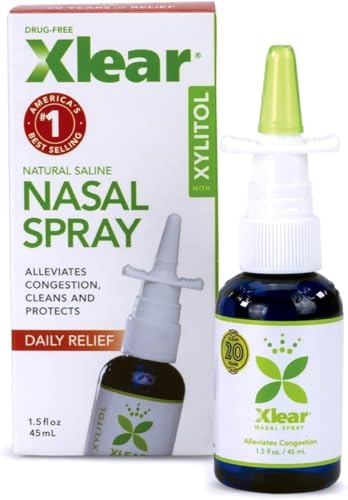
Xlear Natural Nasal Spray with Xylitol, 1.5 fl oz (Pack of 2)
Xlear Natural Saline Nasal Spray with Xylitol, Nose Moisturizer for Kids and Adults, 0.75 fl oz (Pack of 1)
Evidence & Sources
Promising research with growing clinical support from multiple studies
- U.S. Food and Drug Administration (FDA)
- National Center for Complementary and Integrative Health (NCCIH)
- American Academy of Otolaryngology—Head and Neck Surgery
- Cochrane Reviews
- JAMA
- New England Journal of Medicine
- Annals of Allergy, Asthma & Immunology
- Allergy
- BMJ Clinical Evidence
This content is for informational purposes only and does not constitute medical advice. Always consult a qualified healthcare provider before starting, stopping, or changing any supplement or medication regimen.