

Combined Hormonal Birth Control
Also known as: combination birth control, estrogen progestin birth control, combined oral contraceptives
Overview
Combined hormonal birth control (CHC) refers to contraceptive methods that contain both an estrogen and a progestin. The most common forms are combined oral contraceptive pills, the transdermal patch, and the vaginal ring. These products are widely used for pregnancy prevention, but they are also commonly prescribed for cycle regulation, painful or heavy periods, acne, premenstrual symptoms, and other hormone-related concerns. Because CHC affects ovulation and the menstrual cycle, it is often discussed not only as a contraceptive option but also as a tool for managing symptoms that overlap with gynecology, dermatology, and endocrinology.
From a public health perspective, CHC has played a major role in reproductive autonomy and family planning. In conventional medicine, it is considered a highly effective reversible contraceptive when used correctly, and decades of research have clarified many of its benefits, risks, and contraindications. At the same time, interest in non-hormonal and natural approaches has grown, especially among people seeking alternatives for cycle awareness, fertility tracking, acne management, or premenstrual symptom support. This has created a broader conversation about how hormonal suppression compares with approaches aimed at symptom relief without contraception or with fertility awareness-based methods.
CHC works primarily by preventing ovulation, while also thickening cervical mucus and altering the uterine lining. These mechanisms help explain both contraceptive effectiveness and many non-contraceptive effects, such as lighter bleeding or reduced ovulation-related pain. However, responses vary from person to person. Some individuals tolerate CHC well, while others report side effects such as nausea, breast tenderness, mood changes, breakthrough bleeding, or headaches. More serious but less common risks—such as venous thromboembolism, stroke, or cardiovascular complications in higher-risk populations—are central to medical screening before use.
A balanced discussion of CHC also includes its broader hormonal and metabolic context. It does not "fix" the root cause of every menstrual or hormone-related symptom, though it may reduce or suppress symptoms while in use. For this reason, people often search for complementary frameworks that address diet, stress, sleep, metabolic health, inflammation, or traditional constitutional patterns. Any interpretation of symptoms or treatment options is best individualized in consultation with qualified healthcare professionals, particularly because some symptoms that appear routine may reflect underlying conditions such as endometriosis, polycystic ovary syndrome (PCOS), thyroid disorders, migraine with aura, or clotting risk.
Medical Perspectives
Two Ways of Seeing Health

Western
scientific · clinical
Western medicine applies science, technology, and clinical experience to treat symptoms through testing, diagnosis, and targeted intervention.

Eastern
traditional · alternative
Eastern medicine focuses on treating the body naturally by applying traditional knowledge practiced for thousands of years, emphasizing balance and whole-person wellness.
Gold Bamboo presents both perspectives side-by-side so you can make informed decisions. We don't advocate for one over the other — your health choices are yours.
Western Medicine Perspective
Western Medicine Perspective
In conventional medicine, combined hormonal birth control is understood as a medication class with defined hormonal, contraceptive, and non-contraceptive effects. Estrogen-progestin formulations suppress the hypothalamic-pituitary-ovarian axis to reduce or prevent ovulation. They are used for contraception and may also be used to manage dysmenorrhea, menorrhagia, irregular bleeding, acne, and symptoms associated with conditions such as PCOS or suspected endometriosis. Clinical decision-making typically weighs efficacy, side-effect profile, personal preferences, and individual risk factors such as age, smoking status, migraine history, blood pressure, and clotting risk.
Research over many decades indicates that CHC is effective and well studied, especially for contraception. Large observational studies and guideline reviews have also documented important safety considerations. While many users experience lighter, more predictable bleeding and symptom relief, conventional medicine recognizes known risks, including increased risk of blood clots, and in certain groups, elevated risk of stroke or myocardial infarction. These risks are not uniform and depend on formulation, dose, and patient characteristics. For this reason, screening for contraindications is a standard part of care, and CHC is generally not treated as appropriate for everyone.
Western medicine also distinguishes between using CHC for symptom control and evaluating the underlying cause of symptoms. For example, acne, severe PMS, irregular cycles, or pelvic pain may improve on CHC, but those symptoms can also reflect broader endocrine, inflammatory, or gynecologic conditions. In this framework, CHC is one tool among many rather than a universal solution. Non-hormonal options, progestin-only methods, barrier methods, long-acting reversible contraception, and fertility awareness-based methods may also enter the discussion depending on goals and medical context.
When people ask about "natural alternatives," conventional medicine typically separates the question into different goals: contraception, cycle tracking, symptom management, or fertility optimization. Evidence for these alternatives varies widely. For example, fertility awareness-based methods have published effectiveness data when taught and used carefully, while evidence for supplements or dietary strategies for PMS, acne, or cycle irregularity is more mixed and often condition-specific. In evidence-based practice, the safest interpretation is that alternatives may be relevant for selected goals, but they are not interchangeable with CHC in all situations.
Eastern & Traditional Perspective
Eastern/Traditional Medicine Perspective
In Traditional Chinese Medicine (TCM) and related East Asian systems, the concerns that often lead people to CHC—such as irregular menstruation, painful periods, acne, mood fluctuation, or premenstrual breast tenderness—are usually interpreted through patterns rather than a single disease label. Common patterns may include Liver qi stagnation, Blood stasis, Spleen deficiency, Damp-Heat, or Kidney deficiency, depending on the symptom picture. From this perspective, hormonal suppression may reduce symptoms for some people, but it does not necessarily address the underlying pattern imbalance. Traditional treatment principles often focus on restoring smoother menstrual flow, supporting constitutional balance, and observing the natural rhythm of the cycle.
In Ayurveda, menstrual and reproductive symptoms may be discussed in relation to dosha imbalance, especially Vata disturbances in irregular or painful cycles, Pitta aggravation in inflammatory skin symptoms or irritability, and Kapha involvement in congestion, sluggish metabolism, or cystic tendencies. Hormonal contraception is not a classical category in Ayurvedic texts, but contemporary Ayurvedic practitioners may frame it as an external influence on the body’s cyclical intelligence. Supportive approaches are often aimed at digestion, stress regulation, sleep, and constitutional balance, while recognizing that these methods are not direct equivalents to pharmacologic contraception.
In naturopathy and integrative medicine, CHC is often discussed in terms of both benefits and tradeoffs. Practitioners may acknowledge its role in contraception and symptom control while also exploring factors such as nutrition, stress physiology, blood sugar regulation, exercise patterns, gut health, or environmental exposures that could influence hormonal symptoms. There is substantial interest in non-pharmaceutical support for PMS, acne, or cycle regularity, but the evidence base is uneven, and traditional use does not always translate into modern clinical certainty.
Across traditional systems, an important distinction is often made between supporting menstrual health and preventing pregnancy. Many herbs, acupuncture approaches, and lifestyle-based therapies are traditionally used to support cycle comfort or regularity, but they are not assumed to provide reliable contraception unless specifically studied for that purpose. Because some herbs may interact with medications or may be inappropriate during pregnancy risk, integrative care generally emphasizes individualized assessment and communication with qualified healthcare professionals.
Supplements & Products
Recommended Products
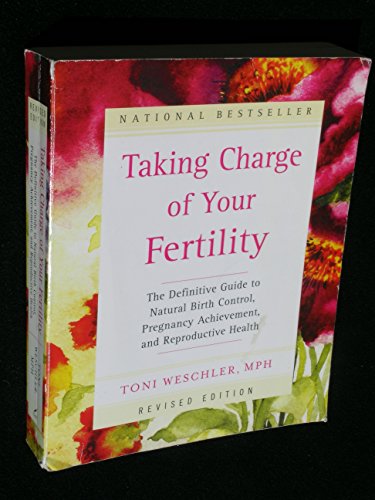
Taking Charge of Your Fertility: The Definitive Guide to Natural Birth Control, Pregnancy Achievement, and Reproductive Health
Since the publication of Taking Charge of your Fertility two decades ago, Toni Weschler has taught a whole new generation of women how to become pregnant, avoid pregnancy naturally and gain better con

Gaia Herbs Vitex Berry - Vitex Traditionally Used to Support Hormone Balance for Women & a Healthy Menstrual Cycle* - 60 Vegan Liquid Phyto-Caps (30 Servings)
Organic Chaste Tree (Vitex agnus-castus) berry extract, Agnuside, Vegetable glycerin, water, and vegan capsule (hypromellose).

Easy@Home Smart Basal Thermometer, Large Screen ...
Check each product page for other buying options. Price and other details may vary based on product size and color · Boncare 9 Seconds Basal Body Thermometer for Ovulation, Oral Thermometer for Adults
Evidence & Sources
Supported by multiple clinical trials and systematic reviews
- CDC U.S. Medical Eligibility Criteria for Contraceptive Use
- American College of Obstetricians and Gynecologists (ACOG)
- World Health Organization (WHO) Family Planning Handbook
- NCCIH (National Center for Complementary and Integrative Health)
- Cochrane Reviews
- The New England Journal of Medicine
- Obstetrics & Gynecology
- BMJ
This content is for informational purposes only and does not constitute medical advice. Always consult a qualified healthcare provider before starting, stopping, or changing any supplement or medication regimen.