

Clonidine
Also known as: Catapres, Hypertension med, Clonidine
Overview
Clonidine is a prescription medication best known for its use in high blood pressure (hypertension) and attention-deficit/hyperactivity disorder (ADHD), though it is also used in several other clinical settings. It belongs to a class of drugs called alpha-2 adrenergic agonists, which act on the central nervous system to reduce sympathetic nerve signaling. In practical terms, this can lower blood pressure, slow certain stress-related physiologic responses, and produce calming or sedating effects. Because of these properties, clonidine has also been used in some cases for withdrawal symptoms, anxiety-related hyperarousal, sleep disturbances, menopausal hot flashes, and certain pain-related applications, depending on the clinical context.
Clonidine has been available for decades and exists in multiple formulations, including oral tablets, extended-release tablets, and transdermal patches. Its effects can vary based on the formulation and the condition being addressed. In ADHD, extended-release clonidine is generally used for its effects on impulsivity, hyperactivity, emotional reactivity, and sleep-related difficulties, and it may be used alone or alongside stimulant medications in some treatment plans. In hypertension, clonidine lowers blood pressure by decreasing signals from the brain that would otherwise tighten blood vessels and increase heart rate.
A key feature of clonidine is that it can be clinically useful across very different conditions because it influences the body’s autonomic or “fight-or-flight” regulation. At the same time, this broad physiologic activity means it requires careful medical oversight. Common concerns associated with clonidine include drowsiness, dry mouth, dizziness, constipation, and low blood pressure. Another important consideration is that abrupt discontinuation can lead to rebound hypertension or other withdrawal-like effects, which is why medication changes are generally handled gradually and under professional supervision.
From a broader health perspective, clonidine occupies an interesting space between cardiovascular medicine, psychiatry, neurology, and integrative symptom management. Conventional medicine views it as a well-established pharmaceutical with defined mechanisms and approved uses, while traditional and integrative systems may interpret its effects through frameworks related to calming excess stimulation, reducing internal agitation, and supporting regulation of stress responses. Any discussion of clonidine is best understood within the context of an individual’s overall health profile, medication list, and ongoing care with a qualified healthcare professional.
Medical Perspectives
Two Ways of Seeing Health

Western
scientific · clinical
Western medicine applies science, technology, and clinical experience to treat symptoms through testing, diagnosis, and targeted intervention.

Eastern
traditional · alternative
Eastern medicine focuses on treating the body naturally by applying traditional knowledge practiced for thousands of years, emphasizing balance and whole-person wellness.
Gold Bamboo presents both perspectives side-by-side so you can make informed decisions. We don't advocate for one over the other — your health choices are yours.
Western Medicine Perspective
Western Medicine Perspective
In conventional medicine, clonidine is understood primarily as a centrally acting alpha-2 adrenergic receptor agonist. By stimulating alpha-2 receptors in the brainstem, it reduces sympathetic outflow from the central nervous system. This decreases peripheral vascular resistance, heart rate, and blood pressure, explaining its antihypertensive effect. In neuropsychiatric settings, the same reduction in adrenergic signaling is thought to help modulate hyperarousal, impulsivity, and behavioral dysregulation, which is why clonidine has a role in ADHD and certain off-label uses involving autonomic overactivation.
For hypertension, clonidine is not always considered a first-line therapy in contemporary practice, but it remains an important medication in selected circumstances, including resistant hypertension or situations where other agents are not suitable. For ADHD, especially in children and adolescents, extended-release clonidine has been studied as a non-stimulant option. Research suggests it may be particularly relevant when hyperactivity, impulsivity, aggression, sleep disturbance, or coexisting tic symptoms are prominent. Compared with stimulant medications, its benefits may be somewhat different in emphasis, often centering more on behavioral calming and sleep support than on core inattentive symptoms alone.
Conventional safety discussions around clonidine are significant. Studies and prescribing guidelines note risks such as sedation, fatigue, bradycardia, hypotension, and dry mouth. Clinicians also pay close attention to the risk of rebound hypertension if clonidine is stopped suddenly, especially after regular use. Drug interactions may occur with other medications that affect blood pressure, heart rate, or sedation. Because of these considerations, western medicine approaches clonidine as a useful but closely managed medication, with dosing and monitoring individualized to the diagnosis, age group, cardiovascular status, and concurrent therapies.
In evidence terms, clonidine is well established pharmacologically and clinically, with FDA-recognized uses and longstanding experience in practice. However, the strength of evidence varies by indication: it is more established for hypertension and recognized ADHD applications than for some off-label uses such as withdrawal support, sleep disturbance, or pain modulation, where research may be smaller or more context-specific.
Eastern & Traditional Perspective
Eastern / Traditional Medicine Perspective
Traditional medical systems such as Traditional Chinese Medicine (TCM) and Ayurveda do not classify clonidine according to its modern receptor-based mechanism, because it is a contemporary pharmaceutical rather than a traditional herb or classical remedy. Even so, practitioners working in integrative settings may interpret its observable effects through traditional frameworks. Its tendency to reduce agitation, quiet physiologic overactivation, and promote sedation may be viewed as functionally relevant to patterns involving excess sympathetic activation, internal wind, disturbed Shen, heat, or aggravated Vata, depending on the system being used.
In TCM, symptoms for which clonidine is sometimes used—such as restlessness, irritability, insomnia, palpitations, headaches, or elevated blood pressure—might be understood through pattern diagnoses like Liver Yang rising, Liver wind, Heart Shen disturbance, or Yin deficiency with empty heat. From that perspective, clonidine’s calming and lowering actions may resemble a substance that helps anchor rising activity and settle excessive stimulation. However, TCM would not regard clonidine as replacing individualized pattern differentiation, and traditional care would typically place strong emphasis on the broader terrain of sleep, stress, digestion, emotional balance, and constitutional factors.
In Ayurveda, clonidine’s effects might be loosely compared to interventions that help pacify aggravated Vata—particularly when symptoms involve nervous system overactivity, poor sleep, emotional reactivity, or irregular autonomic function. When blood pressure elevation is present, some Ayurvedic interpretations may also consider the roles of Pitta and stress-related dysregulation. Still, Ayurveda traditionally relies on dietary, behavioral, herbal, and constitutional approaches rather than pharmaceutical agents like clonidine, so any comparison is conceptual rather than classical.
Naturopathic and integrative practitioners may view clonidine as a medication that can reduce symptom intensity while broader contributors—such as stress load, sleep disruption, stimulant exposure, nervous system dysregulation, or cardiometabolic imbalance—are assessed within a comprehensive plan. Across eastern and traditional systems, the main caveat is that clonidine itself is not a traditional remedy, and evidence for interpreting it through these frameworks is philosophical and integrative rather than derived from classical texts or robust traditional research.
Supplements & Products
Recommended Products

Straight Talk about Psychiatric Medications for Kids, Third Edition
Wilens <strong>explains how medications work; their impact on kids' emotions, personality, school performance, and health; the risks and benefits of widely used antidepressants; and much more</st
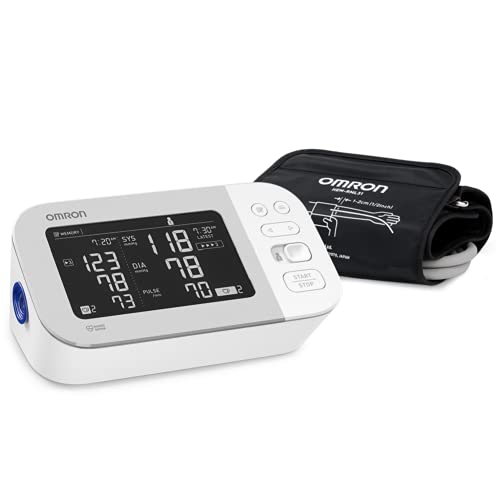
OMRON Platinum Blood Pressure Monitor, Upper Arm Cuff, Digital Bluetooth Blood Pressure Machine, Stores Up To 200 Readings for Two Users (100 readings each) : Everything Else
Buy OMRON Platinum Blood Pressure Monitor, Upper Arm Cuff, Digital Bluetooth Blood Pressure Machine, Stores Up To 200 Readings for Two Users (100 readings each) on Amazon.com ✓ FREE SHIPPING on qualif

3M Tegaderm Transparent Dressing with Label 4" x 4 3/4" (10 x 12 cm)50 per Box #1626W
Buy 3M Tegaderm Transparent Dressing with Label 4" x 4 3/4" (10 x 12 cm)50 per Box #1626W on Amazon.com ✓ FREE SHIPPING on qualified orders
Evidence & Sources
Supported by multiple clinical trials and systematic reviews
- U.S. Food and Drug Administration (FDA) prescribing information for clonidine products
- American Heart Association (AHA) hypertension guidelines
- American Academy of Pediatrics (AAP) clinical practice guideline for ADHD
- National Institute for Health and Care Excellence (NICE) guidance on hypertension and ADHD
- Lexicomp Drug Monograph: Clonidine
- StatPearls: Clonidine
- Journal of Clinical Hypertension
- Journal of the American Academy of Child & Adolescent Psychiatry
This content is for informational purposes only and does not constitute medical advice. Always consult a qualified healthcare provider before starting, stopping, or changing any supplement or medication regimen.