

Citalopram
Also known as: Celexa, Depression medication, Citalopram
Overview
Citalopram is a prescription medication in the class of selective serotonin reuptake inhibitors (SSRIs), most widely used in the treatment of major depressive disorder and sometimes used in related mood and anxiety conditions depending on clinical context and local regulatory approvals. It works primarily by increasing the availability of serotonin, a neurotransmitter involved in mood regulation, sleep, appetite, and emotional processing. Since its introduction, citalopram has become part of standard psychiatric and primary care practice because SSRIs are generally considered easier to tolerate than many older antidepressants.
Depression and anxiety disorders are among the most common mental health conditions worldwide, contributing substantially to disability, reduced quality of life, and increased medical burden. In this setting, medications such as citalopram are often discussed as one component of a broader care model that may also include psychotherapy, lifestyle support, sleep evaluation, and attention to coexisting medical conditions. Response to antidepressant treatment varies considerably between individuals, and symptom improvement may take several weeks to emerge.
Citalopram is also notable because its use is shaped by important safety considerations. Like other SSRIs, it may be associated with side effects such as nausea, sleep disturbance, headache, sexual dysfunction, sweating, and changes in energy or appetite. It also carries class-related cautions, including the potential for serotonin syndrome when combined with other serotonergic agents, discontinuation symptoms if stopped abruptly, and age-specific warnings regarding suicidal thinking in children, adolescents, and young adults. In addition, citalopram has drawn particular regulatory attention for dose-dependent QT interval prolongation, a heart rhythm concern that may increase the risk of arrhythmia in susceptible individuals.
From a broader integrative health perspective, citalopram occupies an important intersection between pharmacology and whole-person care. Conventional medicine evaluates it through diagnostic criteria, clinical trials, safety monitoring, and comparative effectiveness research. Traditional and complementary systems may instead focus on emotional balance, sleep, digestion, stress resilience, and constitutional patterns. For people exploring integrative approaches, clinicians generally emphasize careful coordination because herbs, supplements, and mind-body therapies may influence mood, drug metabolism, or serotonergic activity.
Medical Perspectives
Two Ways of Seeing Health

Western
scientific · clinical
Western medicine applies science, technology, and clinical experience to treat symptoms through testing, diagnosis, and targeted intervention.

Eastern
traditional · alternative
Eastern medicine focuses on treating the body naturally by applying traditional knowledge practiced for thousands of years, emphasizing balance and whole-person wellness.
Gold Bamboo presents both perspectives side-by-side so you can make informed decisions. We don't advocate for one over the other — your health choices are yours.
Western Medicine Perspective
Western Medicine Perspective
In conventional medicine, citalopram is understood as an SSRI antidepressant that inhibits presynaptic serotonin reuptake, thereby increasing serotonergic signaling in the central nervous system. It is most strongly associated with the treatment of major depressive disorder, and research on SSRIs more broadly also supports use in several anxiety-spectrum conditions, though exact indications vary by country and product labeling. Western clinical practice typically places citalopram within a stepped-care model in which medication choice is influenced by symptom profile, prior treatment response, coexisting conditions, patient preference, age, and safety considerations.
Clinical trials and meta-analyses indicate that SSRIs can reduce depressive symptoms for many patients, particularly in moderate to severe depression, although effect sizes vary and not every individual benefits. Citalopram has been compared with placebo and with other antidepressants in numerous studies, with findings suggesting broadly similar efficacy to other agents in its class for many patients. Monitoring remains central to conventional care because early treatment can involve transient side effects, and later follow-up may consider adherence, symptom change, sleep, functioning, sexual side effects, emotional blunting, and the possibility of relapse or recurrence.
A major distinguishing feature of citalopram in western prescribing is its cardiac safety profile at higher doses. Regulatory agencies, including the U.S. FDA, have issued communications about the risk of QT prolongation, especially in older adults, people with certain electrolyte abnormalities, those with preexisting heart rhythm vulnerabilities, or those taking other QT-prolonging drugs. Conventional medicine also recognizes the importance of screening for bipolar disorder before starting antidepressant therapy in some settings, as well as reviewing possible interactions with monoamine oxidase inhibitors, triptans, linezolid, tramadol, lithium, St. John’s wort, and other agents that may increase serotonin-related risks. Abrupt discontinuation is generally viewed as clinically significant because SSRI withdrawal symptoms can mimic relapse or cause distress.
Evidence-based management of depression and anxiety in western medicine often extends beyond medication alone. Studies support combinations of pharmacotherapy with psychotherapy, especially cognitive behavioral therapy and related modalities, for many patients. Clinicians may also evaluate thyroid status, substance use, trauma history, sleep disorders, chronic pain, and social stressors because these factors can affect both diagnosis and treatment outcomes. In this framework, citalopram is not viewed as a standalone answer but as one evidence-based option within comprehensive mental health care.
Eastern & Traditional Perspective
Eastern/Traditional Medicine Perspective
In Traditional Chinese Medicine (TCM), symptoms associated with depression or anxiety are not typically grouped under a single neurotransmitter-based diagnosis. Instead, practitioners may interpret low mood, irritability, rumination, fatigue, insomnia, or palpitations through patterns such as Liver qi stagnation, Heart blood deficiency, Spleen qi deficiency, Kidney deficiency, or disharmony between the Heart and Shen. From this perspective, emotional distress may reflect a broader imbalance involving digestion, sleep, energy, and the regulation of internal systems rather than a single chemical deficit. An SSRI like citalopram would generally be seen as a modern pharmaceutical acting on one aspect of symptom expression, while traditional care may aim to restore overall balance.
Traditional East Asian approaches often incorporate acupuncture, herbal medicine, breathing practices, sleep regulation, and dietary patterning as part of a constitutional assessment. Research on acupuncture for depression and anxiety has produced mixed but growing findings, with some studies suggesting benefit as an adjunctive therapy, especially for anxiety, insomnia, and overall well-being, while methodological quality remains variable. Herbal approaches are more complex in the setting of citalopram because some botanicals used for mood support may have pharmacologic overlap or interaction potential. Integrative practitioners therefore often emphasize coordination with licensed medical professionals when conventional antidepressants and herbal formulas are considered together.
In Ayurveda, depression- and anxiety-like states may be discussed in terms of disturbances in manas (mind), the gunas such as excess rajas or tamas, and imbalances in Vata, Pitta, or Kapha depending on the presentation. Symptoms such as fear, restlessness, poor sleep, mental overactivity, heaviness, or apathy are interpreted through individualized constitutional patterns. Ayurvedic care traditionally may include attention to daily routine, digestion, meditation, yoga, breath practices, oil therapies, and herbs, but modern integrative use calls for caution because some preparations can interact with prescription medications or vary in quality.
Naturopathic and other traditional systems often frame mood disorders through a whole-person lens that includes inflammation, stress load, circadian rhythm disruption, nutrient status, trauma, social connection, and mind-body resilience. This perspective can complement conventional understanding, but it does not replace the established safety considerations associated with citalopram, including drug interactions, dose-related adverse effects, and the need for psychiatric and medical oversight when symptoms are severe or rapidly changing. A balanced integrative approach generally treats traditional therapies as supportive and individualized rather than interchangeable with evidence-based psychiatric care.
Supplements & Products
Recommended Products
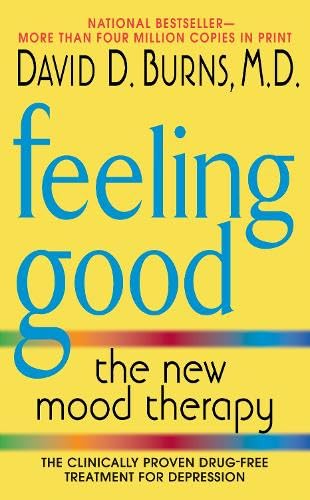
Feeling Good: The New Mood Therapy: David D. Burns
David D. Burns, M.D., a clinical psychiatrist, conveys his ideas with warmth, compassion, understanding, and humor unmatched by any other writer in the self-help field. His bestselling Feeling Good: T

Nordic Naturals Ultimate Omega, Lemon Flavor - 90 Soft Gels - 1280 mg Omega-3 - High-Potency Omega-3 Fish Oil Supplement with EPA & DHA - Promotes Brain & Heart Health - Non-GMO - 45 Servings
Buy Nordic Naturals Ultimate Omega, Lemon Flavor - 90 Soft Gels - 1280 mg Omega-3 - High-Potency Omega-3 Fish Oil Supplement with EPA & DHA - Promotes Brain & Heart Health - Non-GMO - 45 Servi

Verilux HappyLight Luxe - Light Therapy Lamp with 10,000 Lux, UV-Free, LED Bright White Light with Adjustable Brightness, Color, Countdown Timer, & Stand - Boost Mood, Sleep, Focus (White)
Verilux HappyLight Lumi Plus - Light Therapy Lamp with 10,000 Lux, <strong>UV-Free, LED Bright White Light with Adjustable Brightness, Countdown Timer, & Detachable Stand - Boost Mood, Sleep, and
Evidence & Sources
Supported by multiple clinical trials and systematic reviews
- U.S. Food and Drug Administration (FDA) Drug Safety Communication on citalopram
- National Institute for Health and Care Excellence (NICE) depression guidelines
- American Psychiatric Association Practice Guideline for the Treatment of Patients With Major Depressive Disorder
- Cochrane Reviews on antidepressants for depression and anxiety disorders
- National Institute of Mental Health (NIMH) resources on depression
- StatPearls: Citalopram
- National Center for Complementary and Integrative Health (NCCIH) on depression and complementary health approaches
- World Health Organization (WHO) mental health resources
This content is for informational purposes only and does not constitute medical advice. Always consult a qualified healthcare provider before starting, stopping, or changing any supplement or medication regimen.