

Cetirizine
Also known as: Zyrtec, ceterizine
Cetirizine Overview
Cetirizine is a second-generation antihistamine widely used to manage symptoms related to allergic rhinitis, chronic urticaria (hives), and itching associated with histamine release. It works primarily by blocking H1 histamine receptors, reducing symptoms such as sneezing, runny nose, watery eyes, and skin itching. Compared with older antihistamines, cetirizine is generally considered less sedating, but drowsiness can still occur in some people. Because allergy symptoms may be seasonal, environmental, or chronic, cetirizine is commonly used both intermittently and over longer periods.
From a public health perspective, cetirizine is part of a broader class of medications that are central to allergy management. Allergic rhinitis affects a substantial portion of the global population, and urticaria is also common in both acute and chronic forms. As a result, cetirizine is frequently discussed not only as a medication, but as part of a larger conversation about symptom control, quality of life, side effects, and interest in complementary approaches. People often explore alternatives or adjunctive strategies when they experience fatigue, dry mouth, or a sense of dependency on daily symptom suppression during high-allergen periods.
Cetirizine is available in many countries in both prescription and over-the-counter forms, reflecting its long-standing use and relatively favorable safety profile. Even so, medication effects can vary based on age, dose, kidney function, concurrent medications, and individual sensitivity. In children, older adults, and those with multiple health conditions, the balance between benefit and side effects may require more careful consideration. As with any medication-related topic, a qualified healthcare professional can help clarify whether symptoms are truly allergy-related and whether another condition may be contributing.
Interest in cetirizine also intersects with the growing use of integrative health approaches. Some individuals look for dietary, environmental, botanical, or traditional medicine strategies to reduce allergy burden or support resilience during allergy seasons. While these approaches are widely used, the level of scientific evidence varies considerably. A balanced understanding of cetirizine therefore includes both its established role in conventional symptom management and the broader context in which people seek complementary support.
Medical Perspectives
Two Ways of Seeing Health

Western
scientific · clinical
Western medicine applies science, technology, and clinical experience to treat symptoms through testing, diagnosis, and targeted intervention.

Eastern
traditional · alternative
Eastern medicine focuses on treating the body naturally by applying traditional knowledge practiced for thousands of years, emphasizing balance and whole-person wellness.
Gold Bamboo presents both perspectives side-by-side so you can make informed decisions. We don't advocate for one over the other — your health choices are yours.
Western Medicine Perspective
Western Medicine Perspective
In conventional medicine, cetirizine is classified as a second-generation H1 antihistamine. Histamine is a key chemical mediator released during allergic reactions, and blocking its action can reduce nasal, eye, and skin symptoms. Cetirizine is commonly used for seasonal allergic rhinitis, perennial allergic rhinitis, and chronic spontaneous urticaria. Clinical research and guideline-based practice have generally found it effective for reducing itch, sneezing, rhinorrhea, and wheal formation, with a lower risk of sedation than first-generation antihistamines such as diphenhydramine.
Although often described as “non-drowsy,” cetirizine can still cause somnolence, fatigue, dry mouth, and occasionally reduced alertness in some individuals. These effects are clinically relevant because they can influence work performance, school functioning, driving, and overall quality of life. Conventional medicine also considers factors such as renal clearance, age-related sensitivity, and potential overlap with other sedating medications. In cases of persistent symptoms, clinicians may evaluate whether allergic triggers, asthma, sinus disease, eczema, food reactions, or chronic urticaria are part of the broader picture.
Western care generally emphasizes accurate diagnosis, trigger avoidance, and use of therapies matched to symptom pattern. For allergy-related conditions, cetirizine is one among several options that may be compared with intranasal corticosteroids, other second-generation antihistamines, leukotriene modifiers, or immunotherapy depending on the condition being addressed. In chronic hives, antihistamines remain a core evidence-based approach, though ongoing symptoms may prompt further evaluation. Anyone considering changing or replacing a medication regimen is typically advised to discuss this with a licensed healthcare provider, particularly if symptoms are severe, persistent, or associated with breathing difficulty or swelling.
Eastern & Traditional Perspective
Eastern and Traditional Medicine Perspective
In Traditional Chinese Medicine (TCM), symptoms commonly treated with cetirizine—such as sneezing, itchy eyes, hives, and nasal congestion—are not usually framed as isolated histamine phenomena. Instead, they may be interpreted through patterns such as Wind invasion, Wind-Heat, Wind-Cold, or underlying imbalances involving the Lung, Spleen, and Wei Qi (defensive qi). Itching and rashes may also be associated with internal heat, dampness, or blood-level disharmony in traditional theory. The goal in TCM is traditionally broader than symptom suppression alone, often focusing on pattern differentiation and constitutional balance.
TCM approaches may include acupuncture, moxibustion, dietary modification, and multi-herb formulas that are traditionally selected according to the individual pattern. Some research suggests acupuncture may help improve allergic rhinitis symptoms and quality of life in certain populations, though study quality is mixed and mechanisms remain under investigation. Herbal medicine is widely used in traditional settings for nasal and skin symptoms, but evidence for specific formulas varies, and herb-drug interactions are an important consideration when someone is also using conventional medications such as antihistamines.
In Ayurveda, allergy-like presentations may be viewed through the lens of dosha imbalance, commonly involving Kapha in congestion and mucus-related symptoms, or Pitta in inflammatory skin irritation and hives. Management traditionally centers on individualized assessment of digestion, environment, seasonality, and constitutional factors. Naturopathic and other traditional systems may similarly emphasize environmental load, food sensitivities, mucosal integrity, and immune regulation. These models often appeal to people who are seeking a more root-cause-oriented framework, but the clinical evidence supporting specific interventions ranges from promising to preliminary.
An integrative perspective recognizes that traditional systems may offer helpful frameworks for understanding recurring allergy patterns and symptom burden, while also acknowledging that they do not replace emergency care or formal medical assessment when symptoms are significant. This is especially important when itching or hives may reflect medication reactions, infection, autoimmune disease, or anaphylaxis rather than uncomplicated seasonal allergy.
Supplements & Products
Recommended Products
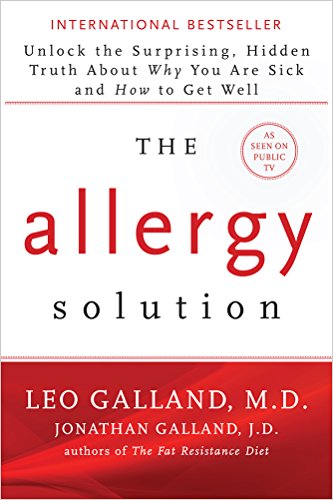
The Allergy Solution: Unlock the Surprising, Hidden Truth About Why You Are Sick and How to Get Well: Galland, Leo, M.D., Galland, Jonathan
In this groundbreaking book, award-winning doctor Leo Galland, M.D., <strong>reveals the shocking rise of hidden allergies that lead to weight gain, fatigue, brain fog, depression, joint pain, headach

NOW Foods Supplements, Quercetin with Bromelain, Balanced Immune System*, 120 Veg Capsules
Buy NOW Foods Supplements, Quercetin with Bromelain, Balanced Immune System*, 120 Veg Capsules on Amazon.com ✓ FREE SHIPPING on qualified orders

Nature's Way Nettle Leaf, Traditional Urinary Support*, 870 mg per 2-Capsule Serving, Non-GMO Project Verified, Vegan, 100 Capsules
Nettle (Urtica spp.) (leaf); Plant-Derived Capsule (Hypromellose)
Evidence & Sources
Supported by multiple clinical trials and systematic reviews
- Journal of Allergy and Clinical Immunology
- Allergy
- ARIA (Allergic Rhinitis and its Impact on Asthma) guidelines
- EAACI/GA²LEN/EuroGuiDerm/APAAACI urticaria guideline
- U.S. Food and Drug Administration (FDA)
- MedlinePlus, U.S. National Library of Medicine
- National Center for Complementary and Integrative Health (NCCIH)
- World Health Organization (WHO) acupuncture resources
This content is for informational purposes only and does not constitute medical advice. Always consult a qualified healthcare provider before starting, stopping, or changing any supplement or medication regimen.