

Buspirone
Also known as: BuSpar, buspar, busparone
Overview
Buspirone is a prescription medication primarily used for generalized anxiety disorder (GAD) and persistent worry. Unlike benzodiazepines, it is generally not classified as a sedative-hypnotic and is not typically associated with the same degree of immediate calming, muscle relaxation, or dependence risk. It is often discussed by people exploring the spectrum between conventional anti-anxiety medications and non-drug approaches such as mindfulness, herbal calming agents, sleep support, and stress-management practices.
Buspirone works differently from many other anxiolytics. It is commonly described as a serotonin 5-HT1A receptor partial agonist, with additional effects on dopamine signaling. Because of this mechanism, its clinical effects tend to develop gradually over days to weeks, rather than producing the rapid symptom relief associated with some fast-acting anxiety medications. This slower onset is one reason it is most often considered in the context of ongoing anxiety rather than acute panic states.
In clinical use, buspirone is often evaluated for people with chronic anxiety, excessive worry, tension, irritability, and somatic symptoms of stress. It is also frequently compared with selective serotonin reuptake inhibitors (SSRIs), benzodiazepines, and non-pharmacologic approaches such as cognitive behavioral therapy, relaxation training, and meditation-based programs. Interest in buspirone also arises among patients seeking options with lower misuse potential or those wishing to avoid the sedation commonly associated with some other anti-anxiety drugs.
As with any psychiatric medication, buspirone exists within a broader care framework that may include psychotherapy, sleep optimization, lifestyle interventions, and evaluation for overlapping conditions such as depression, substance use, trauma-related disorders, thyroid dysfunction, or medication side effects. Individual response can vary, and questions about safety, interactions, suitability during pregnancy, and combination with supplements or other medications are best reviewed with a licensed healthcare professional.
Medical Perspectives
Two Ways of Seeing Health

Western
scientific · clinical
Western medicine applies science, technology, and clinical experience to treat symptoms through testing, diagnosis, and targeted intervention.

Eastern
traditional · alternative
Eastern medicine focuses on treating the body naturally by applying traditional knowledge practiced for thousands of years, emphasizing balance and whole-person wellness.
Gold Bamboo presents both perspectives side-by-side so you can make informed decisions. We don't advocate for one over the other — your health choices are yours.
Western Medicine Perspective
Western Medicine Perspective
From a conventional medical standpoint, buspirone is an FDA-approved anxiolytic indicated for the management of anxiety disorders, especially generalized anxiety disorder. Research suggests it can reduce the cognitive and emotional features of chronic anxiety, including excessive worry and nervous tension. It is generally not considered a first-line agent for acute anxiety relief, because its benefits typically emerge gradually rather than immediately.
One of buspirone’s distinguishing features is its lower risk of dependence and withdrawal-related complications compared with benzodiazepines. For that reason, clinicians may consider it in situations where sedation, cognitive slowing, misuse liability, or tolerance are concerns. Studies indicate that buspirone may be less effective for panic symptoms or severe episodic anxiety than medications with faster onset, but it can be useful for sustained anxiety patterns. It is sometimes used alone and sometimes considered alongside antidepressant therapy, depending on the clinical picture.
Commonly discussed adverse effects include dizziness, headache, nausea, restlessness, and lightheadedness. Buspirone can also interact with other medications and substances, including some antidepressants and drugs that affect liver enzyme metabolism. Conventional care also considers whether anxiety symptoms may reflect another medical or psychiatric condition, and whether psychotherapy, especially cognitive behavioral therapy, may be an important component of care. Medication decisions in this area are typically individualized and monitored over time.
Eastern & Traditional Perspective
Eastern / Traditional Medicine Perspective
In Traditional Chinese Medicine (TCM) and other traditional systems, anxiety is not usually framed around a single neurotransmitter model or medication category. Instead, persistent worry, agitation, palpitations, insomnia, or emotional unease may be understood as patterns involving the Shen (spirit/mind), Heart, Liver, Spleen, or Kidney systems. For example, excessive rumination may be associated with Spleen qi deficiency, emotional constraint with Liver qi stagnation, and insomnia with Heart blood or yin deficiency, depending on the broader symptom pattern.
From this perspective, a medication such as buspirone may be viewed less as a stand-alone solution and more as one element within a broader effort to restore balance. Traditional approaches often emphasize pattern differentiation, daily rhythm, breath regulation, meditation, acupuncture, gentle movement practices, and individualized herbal strategies. In Ayurveda, anxiety-related symptoms may be discussed in terms of vata imbalance, with attention to grounding routines, digestion, sleep, and nervous system resilience. Naturopathic approaches may similarly consider nutrition, sleep, stress load, and mind-body therapies alongside conventional care.
Importantly, traditional medicine systems do not provide a direct historical analogue to buspirone itself, since it is a modern pharmaceutical. However, many patients and practitioners are interested in how conventional anxiolytics compare with or coexist alongside traditional supports. Research on integrative anxiety care is growing, but evidence remains variable depending on the modality. Because herbs, supplements, and pharmaceuticals can interact, any combined use is generally best discussed with qualified healthcare professionals familiar with both medication safety and traditional practices.
Supplements & Products
Recommended Products

The Anxiety and Phobia Workbook: Bourne PhD, Edmund J.
His bestselling anxiety books, ... and Coping with Anxiety. The new 7th Edition of The Anxiety & Phobia Workbook was <strong>released May 1, 2020.</strong>...
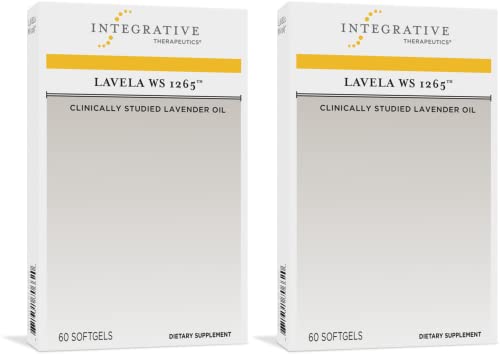
Integrative Therapeutics Lavela WS 1265 - Lavender Essential Oil Supplement for Sleep & Stress Support* - Dairy-Free - 60 Softgels (60 Servings)
Integrative Therapeutics Lavela WS 1265 - <strong>Lavender Essential Oil Supplement for Sleep & Stress Support</strong>* - Dairy-Free - 60 Softgels (60 Servings) English Lavender (Lavandula angust

Jarrow Formulas Extra Strength L Theanine 200mg Dietary Supplement That Promotes Relaxation, Supplement for Relaxation Support, 60 Veggie Capsules, 60 Day Supply : Everything Else
Jarrow Formulas® Regular Strength Theanine 100 mg, Dietary Supplement, 60 Capsules, 60 Day Supply · Life Extension L-Theanine, Amino Acid theanine, Calm, Relaxation, Mood, Gluten-Free, Non-GMO, Vegeta
Evidence & Sources
Supported by multiple clinical trials and systematic reviews
- U.S. Food and Drug Administration (FDA)
- StatPearls
- National Institute of Mental Health (NIMH)
- American Psychiatric Association
- Cochrane Database of Systematic Reviews
- The Lancet
- The New England Journal of Medicine
- National Center for Complementary and Integrative Health (NCCIH)
This content is for informational purposes only and does not constitute medical advice. Always consult a qualified healthcare provider before starting, stopping, or changing any supplement or medication regimen.