

Bupropion
Also known as: Wellbutrin, Smoking cessation aid, Bupropion
Overview
Bupropion is a prescription medication classified as an atypical antidepressant. It is commonly used in the management of major depressive disorder (MDD) and seasonal affective disorder (SAD), and it is also widely used to support smoking cessation. Unlike many other antidepressants, bupropion primarily affects the neurotransmitters dopamine and norepinephrine, rather than serotonin. This distinct mechanism helps explain its clinical profile, including its use in people who may not respond well to other antidepressant classes or who are concerned about certain side effects commonly associated with selective serotonin reuptake inhibitors (SSRIs).
In conventional care, bupropion has attracted attention because it tends to be activating rather than sedating for many patients. Research indicates that it may be associated with a lower likelihood of sexual side effects and weight gain compared with some other antidepressants, although side effects and response vary from person to person. It is available in several formulations, including immediate-release, sustained-release (SR), and extended-release (XL) versions, and brand names have included products such as Wellbutrin and Zyban.
Bupropion is not appropriate for every individual. One of its most important safety considerations is that it can increase seizure risk, especially at higher doses or in people with certain predisposing factors. It is generally avoided in those with seizure disorders, current or past eating disorders such as bulimia or anorexia nervosa, and in some situations involving alcohol or sedative withdrawal. Like other antidepressants, it also carries warnings related to mood changes, suicidality in younger populations, and the need for careful medical supervision.
From a broader health perspective, bupropion sits at the intersection of mental health treatment, addiction medicine, and behavioral health. Its role in smoking cessation is especially notable because tobacco dependence remains a major contributor to preventable disease worldwide. While bupropion is a pharmaceutical therapy rather than an herbal or nutritional intervention, it is often discussed alongside integrative approaches because depression and nicotine dependence are commonly managed through a combination of medical, psychological, lifestyle, and sometimes traditional supportive practices. Any decisions about its use are best made with a qualified healthcare professional who can evaluate benefits, risks, interactions, and individual health history.
Medical Perspectives
Two Ways of Seeing Health

Western
scientific · clinical
Western medicine applies science, technology, and clinical experience to treat symptoms through testing, diagnosis, and targeted intervention.

Eastern
traditional · alternative
Eastern medicine focuses on treating the body naturally by applying traditional knowledge practiced for thousands of years, emphasizing balance and whole-person wellness.
Gold Bamboo presents both perspectives side-by-side so you can make informed decisions. We don't advocate for one over the other — your health choices are yours.
Western Medicine Perspective
Western Medicine Perspective
In conventional medicine, bupropion is understood as a norepinephrine-dopamine reuptake inhibitor (NDRI). Its therapeutic effects are thought to arise from increasing synaptic availability of dopamine and norepinephrine in the brain, although its full mechanism is more complex and not completely explained by neurotransmitter levels alone. For depression, studies suggest that bupropion can be effective both as a first-line antidepressant and as an alternative when other agents are not well tolerated. In smoking cessation, it is believed to reduce nicotine cravings and withdrawal symptoms, likely through its effects on reward and reinforcement pathways.
Clinically, bupropion is often distinguished by its side-effect profile. Compared with some antidepressants, it is less commonly associated with sexual dysfunction, sedation, and weight gain, and in some cases may be associated with weight neutrality or modest weight loss. At the same time, it may be more likely to cause insomnia, dry mouth, anxiety, tremor, increased heart rate, or agitation in some individuals. The most serious recognized risk is dose-related seizures, which is why dosing limits, medical screening, and medication review are important parts of routine prescribing. Conventional guidance also emphasizes caution in people with bipolar disorder, since antidepressants can contribute to mood destabilization in susceptible individuals.
For smoking cessation, bupropion has been studied extensively and is included in major treatment guidelines as one evidence-based pharmacologic option. Research from organizations such as the U.S. Public Health Service and systematic reviews, including those by Cochrane, has found that it can improve quit rates compared with placebo. In depression care, large guidelines from bodies such as the American Psychiatric Association, VA/DoD, and other professional groups recognize bupropion as an established medication option within a broader treatment plan that may also include psychotherapy, monitoring, and evaluation for coexisting conditions.
Because bupropion is a prescription medication with meaningful contraindications and drug interaction considerations, conventional medicine places strong emphasis on individual assessment and follow-up. Factors such as other medications, history of seizures, liver function, psychiatric history, substance use, pregnancy or breastfeeding considerations, and treatment goals all shape how it is used. It is not generally framed as a stand-alone solution, but rather as one component of a comprehensive, medically supervised care strategy.
Eastern & Traditional Perspective
Eastern and Traditional Medicine Perspective
In Traditional Chinese Medicine (TCM), Ayurveda, naturopathy, and other traditional systems, bupropion is not a classical remedy and therefore is not categorized in the same way as herbs, acupuncture protocols, or constitutional therapies. Instead, traditional practitioners may view the symptoms for which bupropion is prescribed—such as low mood, reduced motivation, fatigue, grief-related stagnation, or addictive craving—through broader patterns of imbalance. In TCM, these presentations may be discussed in terms such as Liver qi stagnation, Heart shen disturbance, Phlegm misting the mind, or deficiency patterns affecting the Heart, Spleen, or Kidney systems, depending on the individual presentation.
In Ayurveda, depressive symptoms and compulsive habits may be interpreted through disturbances in dosha balance, mental qualities such as rajas and tamas, and impaired digestive/metabolic function or agni. Low energy and heaviness may be associated with kapha-type patterns, while agitation, restlessness, and irritability may be discussed in relation to vata or pitta imbalances. Traditional and integrative practitioners may use these frameworks to guide supportive approaches involving diet, daily routine, mind-body practices, breathing exercises, meditation, manual therapies, or herbal traditions.
Naturopathic and integrative models often emphasize the whole-person context around depression or nicotine dependence, including sleep, stress burden, social connection, movement, nutrition, inflammation, and substance use patterns. Research on complementary therapies for depression and smoking cessation remains mixed: some modalities, such as mindfulness-based interventions, exercise, or certain psychotherapeutic lifestyle approaches, have growing evidence as supportive strategies, while evidence for many traditional remedies is still emerging or inconsistent. Importantly, herbal medicines and supplements may interact with prescription antidepressants or affect seizure threshold, so integrative use generally requires careful coordination with licensed healthcare professionals.
From an eastern/traditional standpoint, the role of a medication like bupropion may be seen less as contradicting holistic care and more as one tool within a broader effort to restore balance and function. Balanced, safety-conscious integrative care typically recognizes both the established evidence for pharmaceutical treatment and the potential value of nonpharmacologic supportive practices, while acknowledging that any combined approach requires individualized oversight.
Supplements & Products
Recommended Products
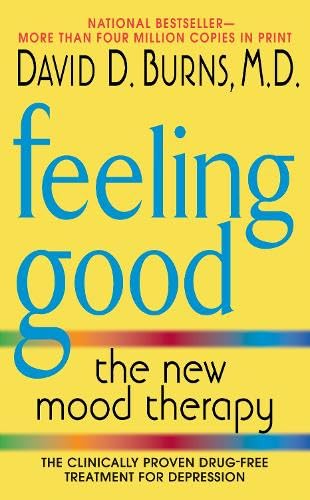
Feeling Good: The New Mood Therapy: David D. Burns
David D. Burns, M.D., a clinical psychiatrist, conveys his ideas with warmth, compassion, understanding, and humor unmatched by any other writer in the self-help field. His bestselling Feeling Good: T

Verilux HappyLight Luxe - Light Therapy Lamp with 10,000 Lux, UV-Free, LED Bright White Light with Adjustable Brightness, Color, Countdown Timer, & Stand - Boost Mood, Sleep, Focus (White)
Verilux HappyLight Lumi Plus - Light Therapy Lamp with 10,000 Lux, <strong>UV-Free, LED Bright White Light with Adjustable Brightness, Countdown Timer, & Detachable Stand - Boost Mood, Sleep, and

Nicorette 4 mg Nicotine Gum to Help Quit Smoking - White Ice Mint Flavored Stop Smoking Aid, 100 Count
This specially formulated stop ... With a refreshing and long-lasting flavor, this <strong>double-coated mint flavored nicotine gum helps kick your smoking habit one craving at a time</strong>....
Evidence & Sources
Supported by multiple clinical trials and systematic reviews
- U.S. Food and Drug Administration (FDA) Prescribing Information
- American Psychiatric Association Practice Guideline for the Treatment of Patients With Major Depressive Disorder
- Cochrane Database of Systematic Reviews
- U.S. Public Health Service Clinical Practice Guideline: Treating Tobacco Use and Dependence
- National Institute for Health and Care Excellence (NICE)
- Agency for Healthcare Research and Quality (AHRQ)
- National Center for Complementary and Integrative Health (NCCIH)
- StatPearls
This content is for informational purposes only and does not constitute medical advice. Always consult a qualified healthcare provider before starting, stopping, or changing any supplement or medication regimen.