

Budesonide
Also known as: Pulmicort, Rhinocort, budesonid
Overview
Budesonide is a corticosteroid medication used to reduce inflammation in several parts of the body, most commonly the airways, nasal passages, and gastrointestinal tract. It is widely used in forms such as inhalers for asthma, nasal sprays for allergic rhinitis and nasal polyps, and oral or rectal formulations for certain inflammatory bowel diseases, including Crohn’s disease and microscopic colitis. Unlike some systemic steroids, budesonide is often discussed for its relatively high first-pass metabolism in the liver, a pharmacologic feature that can reduce overall body-wide exposure depending on the formulation.
Its clinical significance lies in the fact that inflammation is central to many chronic conditions, yet long-term steroid exposure raises understandable concerns about side effects. For that reason, budesonide is frequently researched and prescribed in settings where clinicians aim to control localized inflammation while limiting systemic effects compared with broader-acting corticosteroids such as prednisone. That said, budesonide is still a steroid medication, and its safety profile varies depending on dose, route, duration, and the individual’s health status.
In asthma and allergy care, budesonide is part of a broader anti-inflammatory strategy that may also include trigger reduction, environmental management, and monitoring of symptom control. In gastrointestinal care, its role reflects an effort to suppress intestinal immune activity in targeted ways. People exploring “natural” approaches often ask whether lifestyle, diet, breathing practices, herbal traditions, or complementary therapies can reduce reliance on steroids; this is an area of active interest, but research generally frames such approaches as adjunctive and individualized, not interchangeable with prescription treatment.
From a broader health education perspective, budesonide sits at the intersection of conventional pharmacology and integrative medicine questions: how to manage inflammation effectively, how to minimize medication burden where appropriate, and how to balance symptom control with long-term safety. Any discussion of changing steroid exposure requires clinical oversight, especially because abrupt changes in anti-inflammatory therapy can have consequences depending on the condition being treated.
Medical Perspectives
Two Ways of Seeing Health

Western
scientific · clinical
Western medicine applies science, technology, and clinical experience to treat symptoms through testing, diagnosis, and targeted intervention.

Eastern
traditional · alternative
Eastern medicine focuses on treating the body naturally by applying traditional knowledge practiced for thousands of years, emphasizing balance and whole-person wellness.
Gold Bamboo presents both perspectives side-by-side so you can make informed decisions. We don't advocate for one over the other — your health choices are yours.
Western Medicine Perspective
Western / Conventional Medicine Perspective
In conventional medicine, budesonide is understood as a glucocorticoid anti-inflammatory agent. It works by binding steroid receptors and altering gene transcription in ways that reduce inflammatory signaling, immune-cell recruitment, swelling, mucus production, and tissue reactivity. The formulation matters greatly: inhaled budesonide is used for persistent asthma, intranasal budesonide for allergic rhinitis and related nasal inflammation, and oral delayed-release or rectal budesonide for selected inflammatory bowel conditions. A newer use also includes certain eosinophilic gastrointestinal disorders in some clinical settings.
One reason budesonide is often distinguished from other steroids is its relatively lower systemic bioavailability in some forms, especially oral formulations designed for local intestinal action and then rapid liver metabolism. Studies indicate this can reduce—but not eliminate—the risk of systemic corticosteroid effects. Potential adverse effects can include oral thrush, hoarseness, nose irritation or bleeding, adrenal suppression, bone effects, cataracts, glaucoma risk, skin changes, and infection-related concerns, depending on route and duration. Drug interactions are also relevant, particularly with medications that affect CYP3A4 metabolism.
From an evidence standpoint, budesonide is a well-established medication with strong data supporting its use in several guideline-based indications. In asthma, inhaled corticosteroids remain a cornerstone of long-term anti-inflammatory control. In allergic rhinitis, intranasal steroids are among the most studied therapies for reducing congestion and nasal inflammation. In gastroenterology, budesonide is used because it can deliver potent local anti-inflammatory effects with less systemic exposure than conventional oral corticosteroids in certain contexts. Even so, conventional care emphasizes that “steroid-sparing” strategies are condition-specific and may involve environmental control, non-steroidal medications, biologics, or stepwise reassessment by a qualified clinician rather than unsupervised substitution.
When patients ask about minimizing steroid exposure, western medicine generally approaches this through lowest effective exposure, appropriate formulation selection, monitoring, and reassessment of disease control, rather than viewing all steroid use as inherently avoidable. The key concern is that undertreated airway or intestinal inflammation may also carry meaningful health risks.
Eastern & Traditional Perspective
Eastern / Traditional Medicine Perspective
Traditional systems of medicine generally do not classify budesonide itself as an herbal or traditional remedy; rather, they interpret the underlying inflammatory pattern that led to its use. In Traditional Chinese Medicine (TCM), respiratory symptoms such as wheezing, cough, mucus accumulation, or nasal congestion may be discussed in terms of patterns involving the Lung system, phlegm, wind, heat, dryness, or defensive qi imbalance. Digestive inflammation may be framed through patterns affecting the Spleen, Stomach, Liver, or Large Intestine, with emphasis on dampness, heat, deficiency, or constraint. Traditional approaches may include herbal formulas, acupuncture, dietary patterning, and breathing or lifestyle practices selected according to the individual presentation.
In Ayurveda, similar symptoms might be interpreted through imbalances in doshas—for example, excess Kapha in mucus-heavy respiratory conditions, Pitta in inflammatory states, or Vata involvement in bowel irregularity and sensitivity. Management traditionally focuses on restoring balance through food choices, daily routine, botanical preparations, digestion-focused strategies, and mind-body regulation. Naturopathic and integrative medicine perspectives may also explore anti-inflammatory nutrition, allergen reduction, stress physiology, sleep, microbiome support, and selected supplements, while acknowledging the importance of maintaining disease stability.
Research on eastern and traditional approaches in conditions where budesonide is used is mixed and highly condition-specific. Some studies suggest potential benefit from adjunctive practices such as acupuncture for allergic rhinitis symptoms, breathing practices for asthma self-management support, or dietary interventions in inflammatory bowel conditions; however, these approaches are not equivalent to budesonide in mechanism or evidence base. Traditional medicine frameworks often place stronger emphasis on long-term constitutional balance and trigger reduction, whereas conventional medicine emphasizes direct suppression of inflammatory pathways.
An integrative perspective commonly views budesonide and traditional care as potentially occupying different roles: budesonide as a targeted pharmaceutical tool for inflammatory control, and traditional approaches as broader pattern-based systems that may support quality of life, resilience, and symptom management in some individuals. Because herbs, supplements, and practices can interact with medications or may not be suitable in active disease, coordination with qualified healthcare professionals remains important.
Supplements & Products
Recommended Products

Breaking the Vicious Cycle: Intestinal Health Through Diet: Gottschall MS, Elaine
Elaine Gottschall’s seminal work, Breaking the Vicious Cycle, <strong>continues to save the lives of thousands of people suffering from the debilitating effects of intestinal disease</strong>.
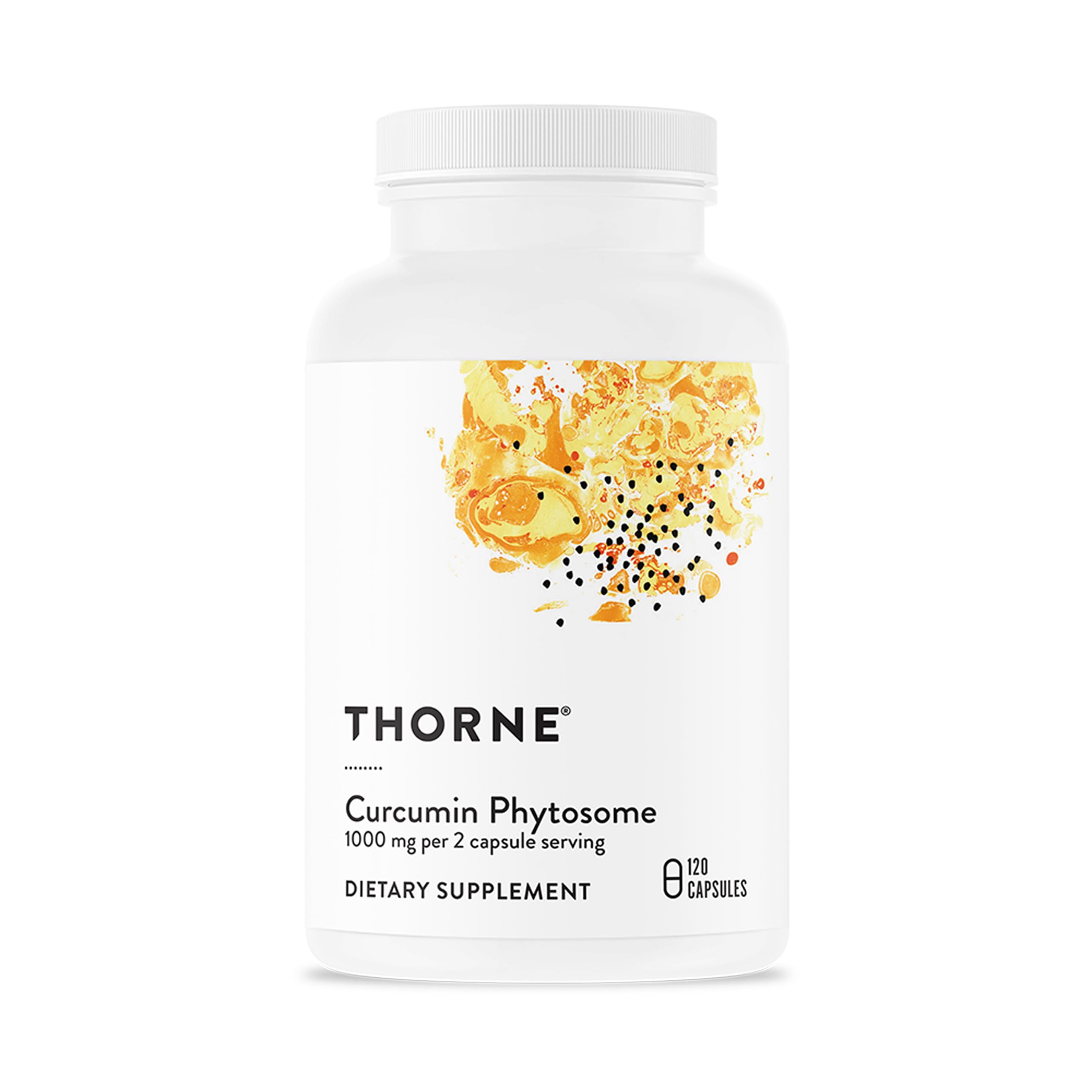
THORNE - Curcumin Phytosome 1000 mg (Meriva) - Clinically Studied, High Absorption - Supports Healthy Inflammatory Response in Joints, Muscles, GI Tract, Liver, Brain & Nerves* - 30 Servings
THORNE - Curcumin Phytosome 500 mg (Meriva) - Sustained Release, Clinically Studied - <strong>Supports Healthy Inflammatory Response in Joints, Muscles, GI Tract, Liver, Brain & Nerves</strong>* -

NOW Foods Supplements, Quercetin with Bromelain, Balanced Immune System*, 120 Veg Capsules
Buy NOW Foods Supplements, Quercetin with Bromelain, Balanced Immune System*, 120 Veg Capsules on Amazon.com ✓ FREE SHIPPING on qualified orders
Evidence & Sources
Supported by multiple clinical trials and systematic reviews
- Global Initiative for Asthma (GINA)
- American College of Gastroenterology (ACG)
- American Gastroenterological Association (AGA)
- ARIA (Allergic Rhinitis and its Impact on Asthma)
- National Center for Biotechnology Information (StatPearls)
- U.S. National Library of Medicine / DailyMed
- National Center for Complementary and Integrative Health (NCCIH)
- Cochrane Reviews
This content is for informational purposes only and does not constitute medical advice. Always consult a qualified healthcare provider before starting, stopping, or changing any supplement or medication regimen.