

Bronchodilators
Also known as: inhalers, asthma bronchodilators, rescue inhalers
Overview
Bronchodilators are medications that relax the smooth muscle surrounding the airways, helping the bronchial tubes widen so air can move more freely in and out of the lungs. They are a central part of conventional care for conditions marked by airway narrowing or airflow limitation, especially asthma and chronic obstructive pulmonary disease (COPD). Depending on the medication class and formulation, bronchodilators may be used for rapid symptom relief, exercise-related breathing symptoms, or longer-term symptom control. They are most commonly delivered by inhaler or nebulizer, though some forms are available orally.
These medications are generally grouped into short-acting and long-acting agents. The major classes include beta2-agonists (such as albuterol/salbutamol and formoterol), anticholinergics (such as ipratropium and tiotropium), and less commonly methylxanthines (such as theophylline). In respiratory care, bronchodilators are often discussed alongside anti-inflammatory medicines, because airway diseases like asthma involve not only narrowing of the airway muscles but also inflammation, mucus production, and airway hyperreactivity. For that reason, bronchodilators may relieve symptoms without necessarily addressing all underlying disease processes.
Bronchodilators are highly significant in public health because asthma and COPD are among the most common chronic respiratory conditions worldwide. Asthma affects hundreds of millions of people globally, while COPD remains a major cause of illness and mortality. Research and clinical guidelines indicate that bronchodilators can improve symptoms such as wheezing, chest tightness, shortness of breath, and exercise intolerance, and in COPD they may also improve quality of life and reduce some exacerbation-related burden when used appropriately. At the same time, many people seek broader support through breathing practices, trigger reduction, pulmonary rehabilitation, nutrition, mind-body strategies, and traditional systems of care.
From an integrative perspective, bronchodilators are often part of a larger conversation about airway function, inflammation, environmental exposures, stress, and resilience of the respiratory system. Complementary approaches are commonly explored to support breathing comfort and self-management, but they are best understood as adjunctive rather than interchangeable with prescribed respiratory care. Because response, dosing, and safety can vary by diagnosis and medication type, questions about bronchodilator use are generally best addressed with a qualified healthcare professional, especially when symptoms are changing or severe.
Medical Perspectives
Two Ways of Seeing Health

Western
scientific · clinical
Western medicine applies science, technology, and clinical experience to treat symptoms through testing, diagnosis, and targeted intervention.

Eastern
traditional · alternative
Eastern medicine focuses on treating the body naturally by applying traditional knowledge practiced for thousands of years, emphasizing balance and whole-person wellness.
Gold Bamboo presents both perspectives side-by-side so you can make informed decisions. We don't advocate for one over the other — your health choices are yours.
Western Medicine Perspective
Western Medicine Perspective
In conventional medicine, bronchodilators are understood through the physiology of airflow obstruction and bronchial smooth muscle tone. In asthma, airway narrowing is typically variable and associated with inflammation and hyperresponsiveness. In COPD, airflow limitation is more persistent and linked to small-airway disease and emphysematous change. Bronchodilators work by different mechanisms: beta2-agonists stimulate receptors that relax airway smooth muscle, while antimuscarinic agents block cholinergic signals that contribute to bronchoconstriction. Methylxanthines have bronchodilating effects as well, though they are used less often because of narrower therapeutic windows and side-effect concerns.
Current guidelines emphasize that bronchodilators are not all used in the same way. In COPD, long-acting bronchodilators are foundational therapies for many patients, often used alone or in combination. In asthma, bronchodilators can provide rapid relief, but contemporary guidance increasingly places emphasis on pairing symptom relief with anti-inflammatory treatment strategies, because overreliance on bronchodilation alone may leave airway inflammation insufficiently addressed. Studies indicate that inhaled delivery offers the advantage of targeted action in the lungs with fewer systemic effects than oral forms, though correct inhaler technique remains a major determinant of effectiveness.
Common side effects vary by class. Beta2-agonists may cause tremor, palpitations, nervousness, or transient increases in heart rate. Anticholinergics may contribute to dry mouth or, less commonly, urinary symptoms or glaucoma-related concerns in susceptible individuals. Theophylline can interact with many medications and may cause nausea, insomnia, or cardiac rhythm issues at higher levels. Conventional care also pays close attention to inhaler adherence, spacer use where relevant, smoking status, vaccination, pulmonary rehabilitation, and reduction of environmental triggers. People with frequent symptoms, nighttime awakenings, reduced exercise tolerance, or repeated exacerbations often need a broader reassessment rather than bronchodilation alone.
In evidence-based respiratory medicine, bronchodilators are among the best-studied symptom-relieving therapies for obstructive lung disease. However, clinicians generally distinguish between symptom relief, prevention of exacerbations, and disease modification, as these outcomes differ across diagnoses and medication classes. Ongoing management typically considers lung function testing, symptom patterns, exacerbation history, and coexisting conditions such as allergic disease, reflux, anxiety, or cardiovascular disease.
Eastern & Traditional Perspective
Eastern/Traditional Medicine Perspective
In Traditional Chinese Medicine (TCM), breathing disorders are not usually framed in terms of bronchodilation alone. Instead, symptoms such as wheezing, cough, chest fullness, phlegm, and shortness of breath may be interpreted through patterns involving the Lung, Spleen, and Kidney systems, often with influences described as phlegm, wind, heat, cold, or qi deficiency/stagnation. Traditional approaches have historically aimed to support the body's ability to descend Lung qi, transform phlegm, reduce reactivity, and strengthen constitutional weakness. Modalities may include herbal formulas, acupuncture, breathing regulation, and lifestyle patterning based on symptom presentation.
In Ayurveda, respiratory symptoms may be associated with imbalances involving prana vaha srotas and disturbances in Kapha and Vata, with some presentations also involving Pitta. Traditional frameworks may emphasize mucus burden, environmental irritants, digestive health, seasonality, and the relationship between stress and breathing. Herbs, breathing practices, oil-based therapies, and dietary patterning have been traditionally used to support respiratory comfort and resilience. In naturopathic and other holistic traditions, the focus often expands to include indoor air quality, allergen exposure, smoking cessation support, anti-inflammatory nutrition, stress reduction, and nervous-system regulation.
Research on traditional and complementary approaches for asthma and COPD is mixed and generally less definitive than the evidence for conventional inhaled therapies. Some studies suggest that breathing exercises, pulmonary rehabilitation-style movement, acupuncture, and selected mind-body practices may improve symptom perception, quality of life, or functional capacity in some individuals. However, findings are variable, and many herbal interventions are limited by inconsistent formulations, small study size, or safety concerns including herb-drug interactions. This is particularly relevant for people already using bronchodilators, corticosteroids, anticoagulants, or multiple chronic medications.
An integrative interpretation does not view traditional systems as replacements for emergency or guideline-based respiratory care. Rather, these systems are often explored for their potential role in supporting whole-person respiratory health, including stress modulation, trigger awareness, recovery capacity, and day-to-day symptom burden. Because respiratory symptoms can escalate quickly and because some natural products may affect the heart, nervous system, or medication metabolism, coordination with qualified healthcare professionals is an important part of safe integrative care.
Supplements & Products
Recommended Products
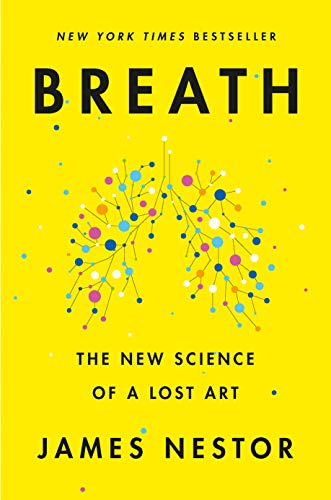
Breath: The New Science of a Lost Art: Nestor, James
Yet, as a species, humans have lost the ability to breathe correctly, with grave consequences. <strong>Journalist James Nestor travels the world to figure out what went wrong and how to fix it</strong

Amazon Pharmacy: AEROCHAMBER PLUS FLOW-VU
Transfer your prescription for AEROCHAMBER PLUS FLOW-VU on Amazon Pharmacy. FREE SHIPPING for Prime members.

LEVOIT Core 300 Purifier with Replacement Filter - HEPA Air Cleaner Eliminates Allergens for Bedroom, Pets, Smokers In 1095 Sq.Ft Coverage. 24db Quiet Operation and Auto Mode.
1 of LEVOIT Genuine Core 300-P Replacement Filter, Core 300-RF Air Purifier Core300S Filters, <strong>Supports HEPA Sleep Mode, High-Efficiency Activated Carbon for Removal of Smoke, Odor, Allergens,
Evidence & Sources
Supported by multiple clinical trials and systematic reviews
- Global Initiative for Asthma (GINA)
- Global Initiative for Chronic Obstructive Lung Disease (GOLD)
- National Heart, Lung, and Blood Institute (NHLBI)
- National Institute for Health and Care Excellence (NICE)
- Cochrane Database of Systematic Reviews
- New England Journal of Medicine
- American Journal of Respiratory and Critical Care Medicine
- National Center for Complementary and Integrative Health (NCCIH)
This content is for informational purposes only and does not constitute medical advice. Always consult a qualified healthcare provider before starting, stopping, or changing any supplement or medication regimen.