

Bioidentical Hormone Therapy
Also known as: BHRT, bioidentical HRT, bioidentical hormones
Overview
Bioidentical hormone therapy (BHT) refers to the use of hormones that are chemically identical to those produced by the human body, most commonly estradiol, progesterone, and sometimes testosterone or dehydroepiandrosterone (DHEA). It is most often discussed in the context of menopause and perimenopause, when fluctuating or declining hormone levels may contribute to symptoms such as hot flashes, night sweats, vaginal dryness, sleep disruption, mood changes, and changes in sexual health. The term is widely used in both mainstream and alternative medicine settings, though it can refer to FDA-approved products as well as custom-compounded preparations, which are not evaluated in the same way for safety, quality, or consistency.
Interest in BHT has grown because many people perceive it as a more “natural” approach than conventional hormone therapy. From a scientific standpoint, however, the key distinction is not whether a hormone is “natural,” but how it is manufactured, regulated, dosed, and delivered. For example, several regulated prescription products contain bioidentical estradiol or micronized progesterone, while some compounded products are marketed as individualized formulations based on saliva or blood testing. Major medical organizations have noted that compounded bioidentical therapies may carry greater uncertainty around purity, potency, and clinical evidence compared with approved formulations.
BHT sits at the intersection of symptom relief, healthy aging, women’s health, endocrinology, and integrative medicine. Research suggests that some bioidentical hormones—especially transdermal estradiol and oral micronized progesterone in appropriate clinical contexts—can be effective for menopausal symptom management. At the same time, the broader BHT marketplace includes claims that extend beyond current evidence, including assertions about superior safety, anti-aging effects, or individualized hormone balancing. These areas remain more controversial and require careful interpretation.
Because hormones affect multiple body systems—including the cardiovascular system, breast and endometrial tissue, bone, brain, skin, and metabolism—the discussion around BHT is nuanced. Benefits and risks vary by hormone type, dose, route of administration, age, timing relative to menopause, personal health history, and whether treatment is regulated and standardized or custom-compounded. For that reason, professional evaluation is generally considered important when weighing whether hormone-based care is appropriate.
Medical Perspectives
Two Ways of Seeing Health

Western
scientific · clinical
Western medicine applies science, technology, and clinical experience to treat symptoms through testing, diagnosis, and targeted intervention.

Eastern
traditional · alternative
Eastern medicine focuses on treating the body naturally by applying traditional knowledge practiced for thousands of years, emphasizing balance and whole-person wellness.
Gold Bamboo presents both perspectives side-by-side so you can make informed decisions. We don't advocate for one over the other — your health choices are yours.
Western Medicine Perspective
Western / Conventional Medicine Perspective
In conventional medicine, bioidentical hormone therapy is understood primarily through the lens of endocrinology and menopause management. The main clinical question is not whether a product is marketed as bioidentical, but whether it has demonstrated efficacy, known pharmacology, and an established safety profile. FDA-approved bioidentical options include certain forms of 17-beta estradiol and micronized progesterone, used for menopausal vasomotor symptoms, genitourinary syndrome of menopause, and in some cases bone health support. Studies indicate that route matters: for example, transdermal estradiol may have different effects on clotting risk than oral estrogen, and progesterone type can influence tolerability and endometrial protection.
Conventional guidelines generally distinguish between approved bioidentical hormone products and compounded bioidentical hormone therapy (cBHT). Compounded products may be prepared in customized doses or combinations, but they are not reviewed by the FDA for efficacy, safety, or batch consistency in the same way as approved medications. Organizations such as the North American Menopause Society, ACOG, and the Endocrine Society have expressed concern that compounded formulations are often promoted with claims not strongly supported by evidence, including routine hormone testing for dose customization. Research and policy statements suggest that saliva testing, in particular, may not reliably reflect tissue hormone effects or guide treatment precision.
Western medicine also evaluates BHT in terms of risk-benefit balance. Estrogen therapy can be highly effective for hot flashes and night sweats, while local vaginal estrogen may help genitourinary symptoms. However, hormone therapy is not considered risk-free. Depending on formulation and patient factors, concerns may include venous thromboembolism, stroke, breast cancer risk, endometrial hyperplasia or cancer if unopposed estrogen is used in someone with a uterus, gallbladder effects, and cardiovascular considerations. Some evidence suggests micronized progesterone and transdermal estradiol may compare favorably with older synthetic regimens in certain respects, but this does not mean all bioidentical therapies are inherently safer.
From a conventional standpoint, BHT is best understood as a subset of hormone therapy rather than a separate alternative paradigm. The strongest evidence supports specific, regulated formulations for defined indications, especially menopause-related symptoms. Broader claims related to anti-aging, weight control, cognitive enhancement, or disease prevention remain less established. Clinicians typically emphasize individualized assessment and ongoing monitoring, particularly for people with a history of hormone-sensitive cancers, clotting disorders, liver disease, unexplained vaginal bleeding, or significant cardiovascular risk factors.
Eastern & Traditional Perspective
Eastern / Traditional Medicine Perspective
Traditional medicine systems generally do not frame menopause or hormone shifts primarily as a deficiency of estradiol or progesterone. Instead, they often interpret symptoms through broader patterns of systemic imbalance, aging transitions, stress physiology, and constitutional change. In Traditional Chinese Medicine (TCM), menopausal symptoms are often associated with patterns such as Kidney yin deficiency, Kidney yang deficiency, Liver qi stagnation, or Heart-Kidney disharmony, depending on the presentation. Hot flashes, insomnia, irritability, palpitations, and dryness may be understood as signs of disrupted internal balance rather than isolated hormone decline.
In Ayurveda, menopause may be viewed through the lens of changing doshas, tissue nourishment, and aging-related decline in resilience, especially involving vata with possible pitta aggravation in presentations marked by heat, irritability, and sleep disruption. Traditional approaches may include herbal preparations, dietary patterns, mind-body practices, oil therapies, and lifestyle regulation aimed at restoring equilibrium and supporting adaptation during midlife transition. In naturopathic and integrative traditions, the emphasis is often on the broader terrain: sleep, stress, digestion, metabolic health, emotional wellbeing, and inflammatory burden.
From an eastern or integrative perspective, bioidentical hormones may be seen as one tool among many rather than the defining solution. Some practitioners view regulated bioidentical hormones as potentially compatible with holistic care when used within a broader strategy focused on quality of life and individualized constitution. Others place greater emphasis on non-hormonal support and symptom pattern differentiation. Research on traditional approaches for menopausal symptoms is growing, but it remains mixed, with variability in herbal standardization, diagnostic frameworks, and trial quality.
A balanced integrative view recognizes that traditional systems offer valuable symptom frameworks and supportive care concepts, while also acknowledging that they do not replace the need for careful evaluation of hormone-related risks. When hormones are part of the conversation, issues such as dosage consistency, cancer risk, cardiovascular history, and medication interactions remain relevant regardless of whether the overall care model is conventional or traditional.
Supplements & Products
Recommended Products
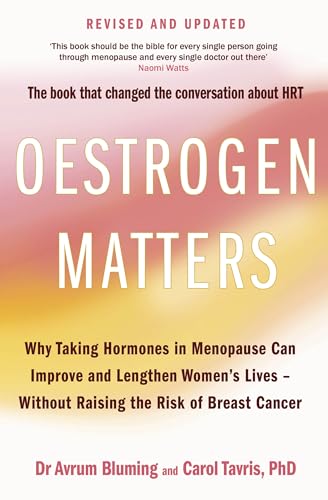
Estrogen Matters: Why Taking Hormones in Menopause Can Improve Women's Well-Being and Lengthen Their Lives - Without Raising the Risk of Breast Cancer: Bluming, Avrum, Tavris, Carol
In their fascinating account, Bluming and Tavris challenge that conclusion and unpack the reasons for its remarkable impact."―Robert B. Cialdini, author of Influence "Given breast cancer
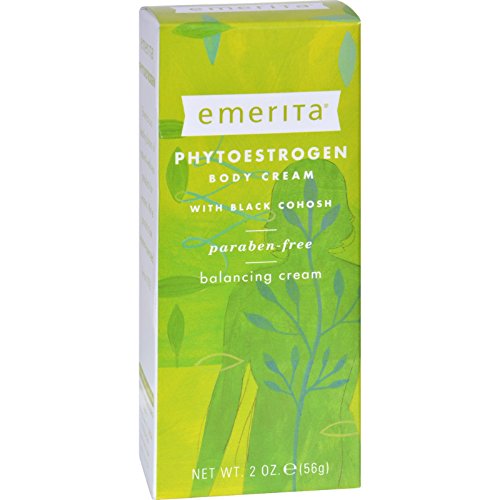
Emerita Pro Gest Natural Progesterone Cream, 2 Ounce - 3 per case.
Buy Emerita Pro Gest Natural Progesterone Cream, 2 Ounce - 3 per case.: Menopause - Amazon.com ✓ FREE DELIVERY possible on eligible purchases

Life Extension DHEA 25 mg – Supplement for Hormone Balance, Immune Support, Sexual Health, Bone & Cardiovascular Health and Anti-Aging and Mood Support – Gluten-Free, Non-GMO – 100 Capsules
DHEA is the body’s most abundant circulating hormone, but levels decline as we age. That’s why it’s important to add a DHEA supplement to your routine. Our formula delivers 25 mg DHEA to support hormo
Evidence & Sources
Promising research with growing clinical support from multiple studies
- North American Menopause Society (NAMS)
- American College of Obstetricians and Gynecologists (ACOG)
- Endocrine Society
- U.S. Food and Drug Administration (FDA)
- National Center for Complementary and Integrative Health (NCCIH)
- JAMA
- Menopause
- The New England Journal of Medicine
- Journal of Clinical Endocrinology & Metabolism
- Cochrane Reviews
This content is for informational purposes only and does not constitute medical advice. Always consult a qualified healthcare provider before starting, stopping, or changing any supplement or medication regimen.